Flashback to November 27
World History
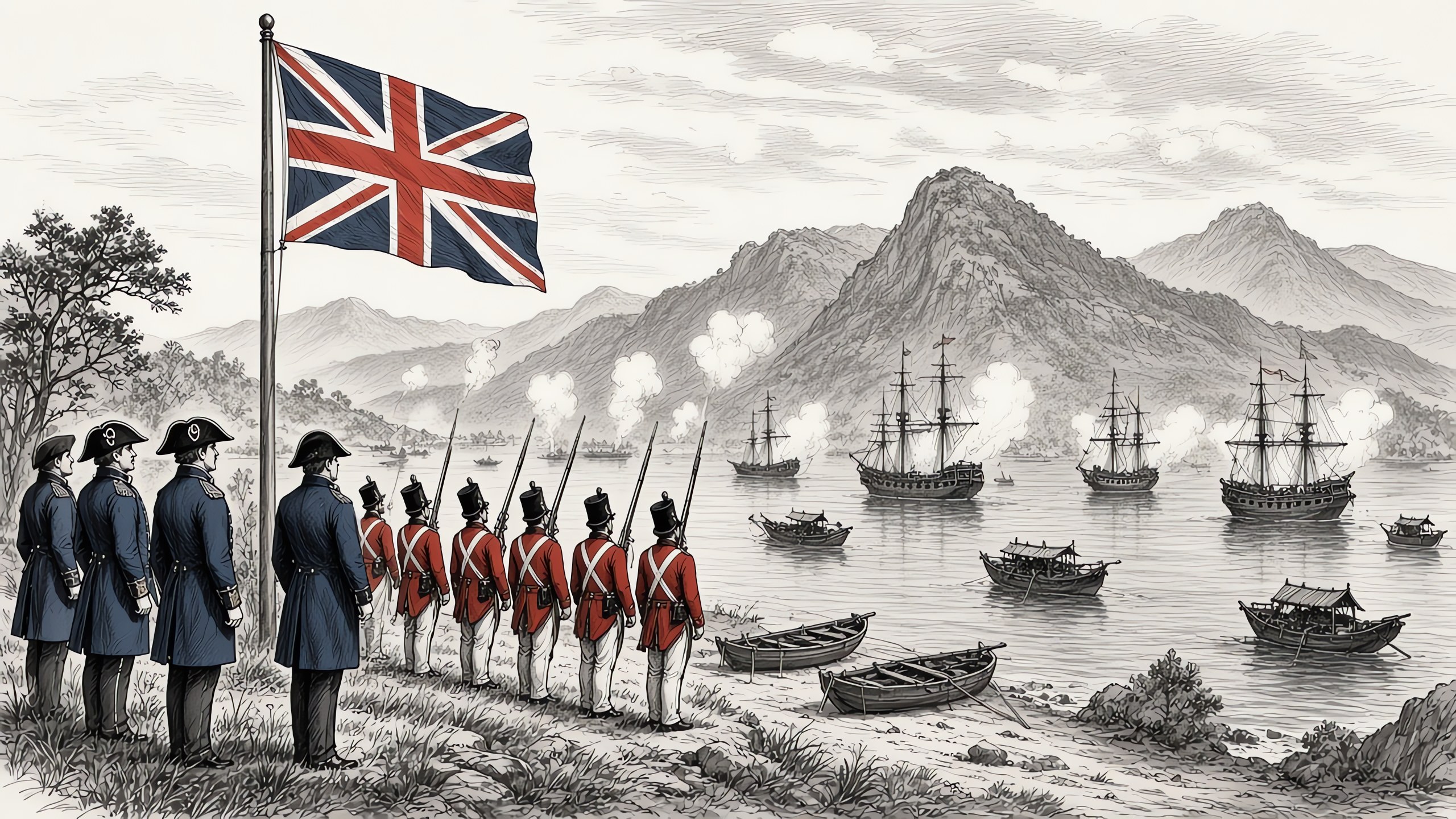
On January 26, 1841, a party of British naval officers and Royal Marines came ashore on the northwest coast of Hong Kong Island, hoisted the Union Jack on a small rise and took formal possession of the island in the name of Queen Victoria. The ceremony, led by Commodore Sir Gordon Bremer, commander of British forces in China, is usually counted as the founding of British Hong Kong.
The landing grew out of the First Opium War. In 1839 the Qing commissioner Lin Zexu seized and destroyed the opium stocks of foreign merchants at Canton and expelled the British, many of whom spent that summer sheltering aboard ships in the anchorage between the island and Kowloon. London answered with an expeditionary force, which reached the China coast in June 1840 and soon occupied the island of Zhoushan.
The British plenipotentiary, Captain Charles Elliot, had orders to obtain a trading base on the Chinese coast. After British ships captured the forts guarding the Bogue, the river entrance below Canton, on January 7, 1841, the new imperial commissioner Qishan agreed to talk. He offered Elliot either Hong Kong Island or Kowloon, and Elliot chose the island, valuing its sheltered harbour.
On January 20, Elliot published a circular announcing the preliminary terms, later known as the Convention of Chuenpi. China was to cede the island and harbour of Hong Kong to the British crown and pay an indemnity of six million dollars, while Britain would hand back the Bogue forts and withdraw from Zhoushan.
Captain Edward Belcher of the survey ship HMS Sulphur reached the island first. He landed on the morning of January 25, and his party drank the Queen’s health on the spot they named Possession Mount. The next day the squadron arrived, the marines went ashore, and the flag was raised as Bremer and his officers took formal possession, under a feu de joie from the marines and a royal salute from the warships in the harbour.
The island was rugged and thinly settled, home to a few thousand fishing families, farmers and charcoal burners in scattered villages. Neither government was pleased with the bargain. Lord Palmerston, the Foreign Secretary, dismissed Hong Kong as a barren island with hardly a house upon it and recalled Elliot, replacing him with Sir Henry Pottinger. The Daoguang Emperor was angrier still, and Qishan was stripped of office and sentenced to death, though he was later spared.
Elliot pressed ahead regardless, declaring a free port and selling the first plots of land in June 1841. Merchants who had worked out of Macau began to move their warehouses across the estuary.
The war went on for another year and a half. It ended with the Treaty of Nanking, signed on August 29, 1842, which ceded Hong Kong Island to Britain in perpetuity. Once ratifications were exchanged on June 26, 1843, the island became a crown colony, with its capital at Victoria on the northern shore.
Land reclamation long ago pushed the shoreline away from the original landing place, but Possession Street in Sheung Wan still marks where the flag first went up. British rule that began there on January 26, 1841, lasted more than 156 years, until Hong Kong was handed over to China on July 1, 1997.
We strive for accuracy. If you see something that doesn't look right, click here to contact us!
 Contact Us
Sponsored Content
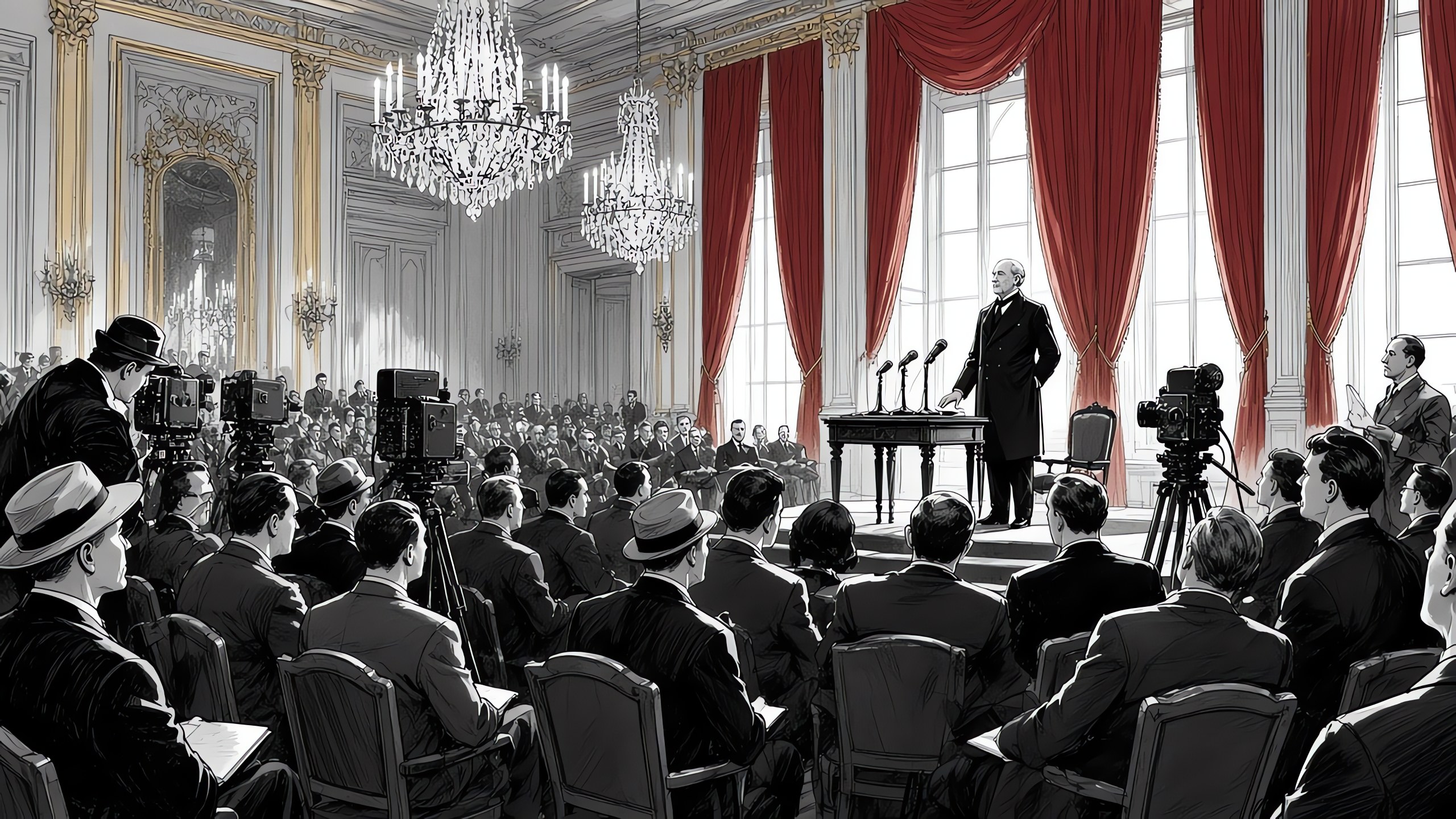
Charles de Gaulle again…
On November 27, 1967,…
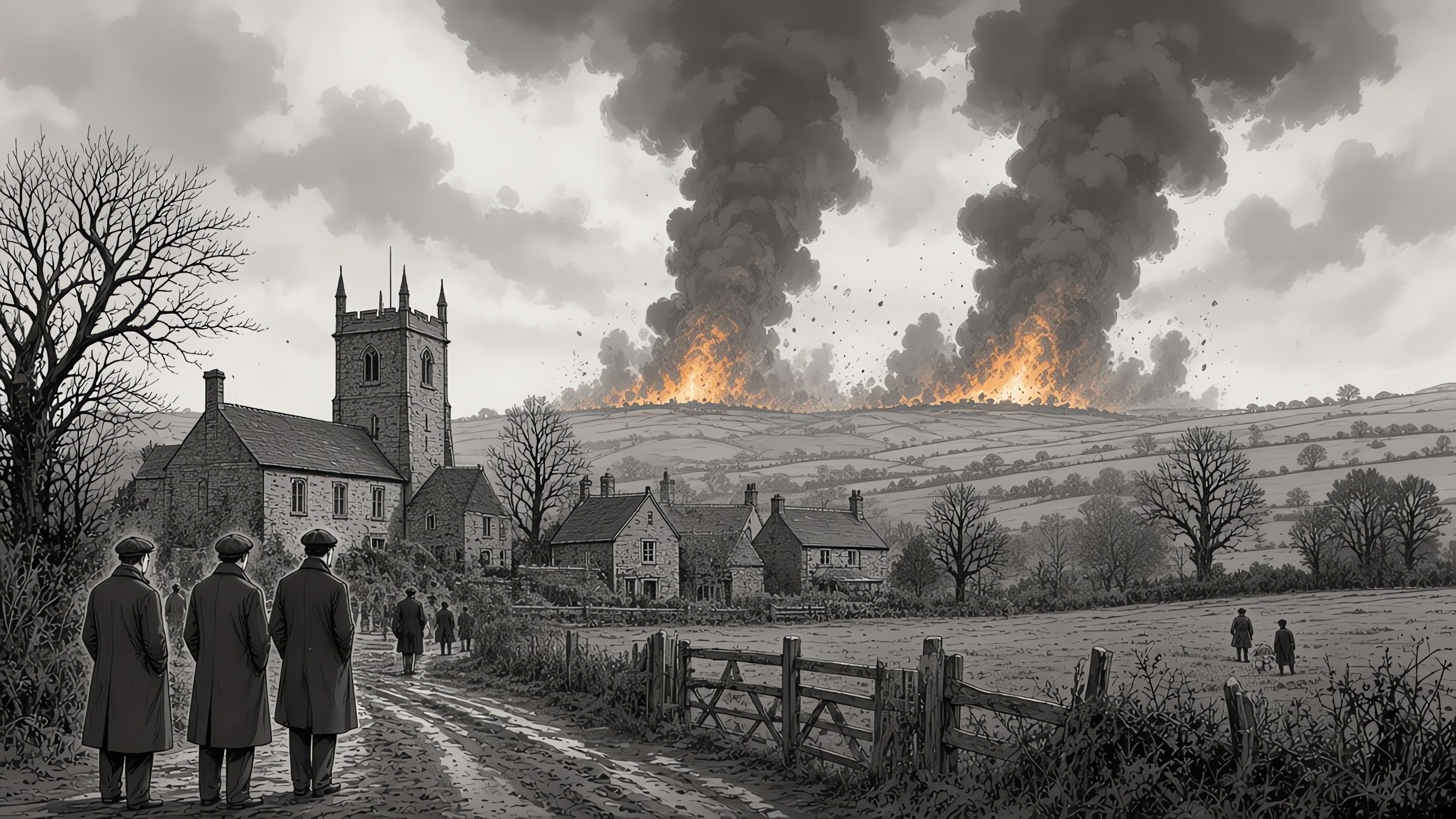
Thousands of tons of…
On November 27, 1944,…
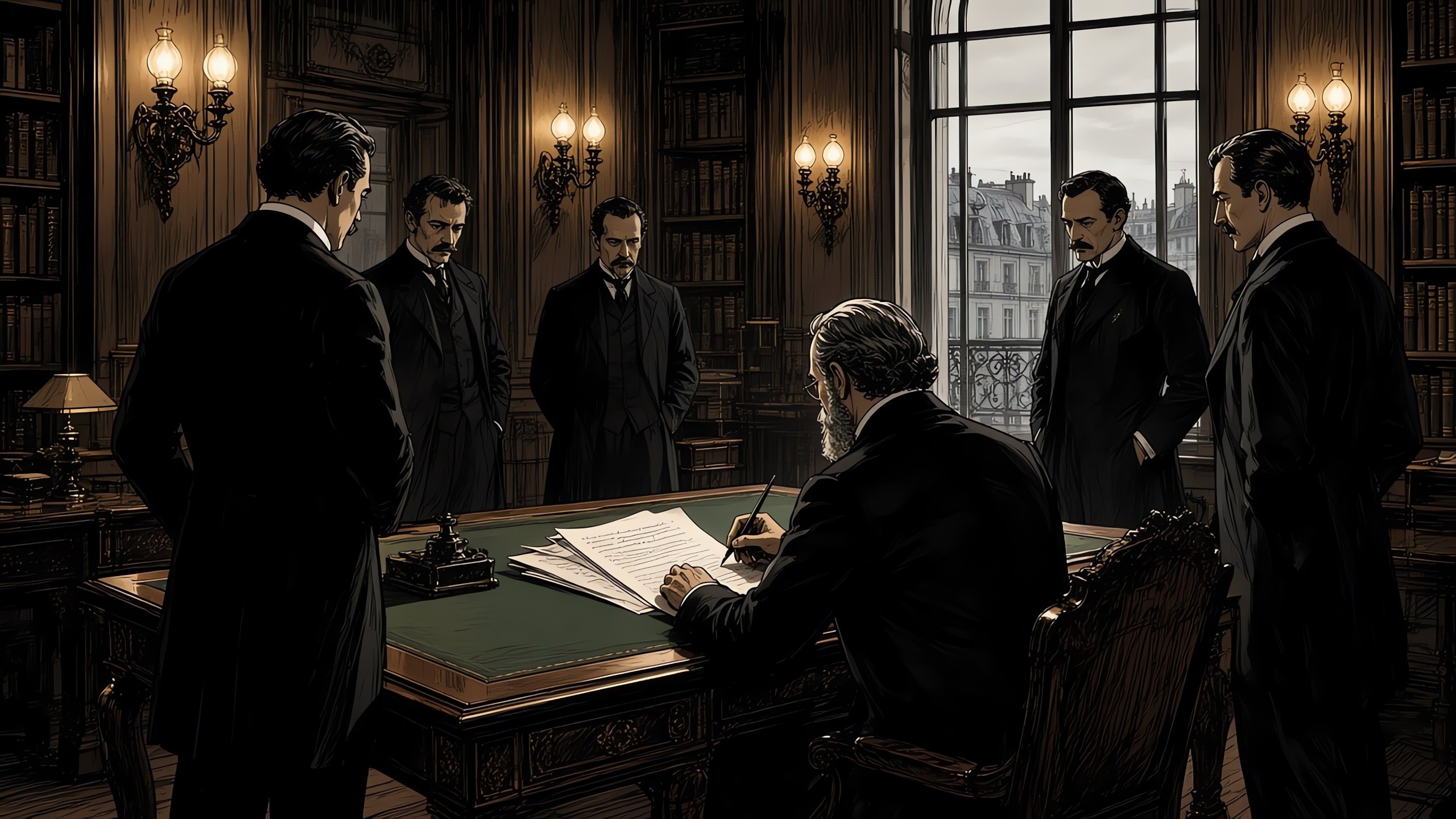
Alfred Nobel signs the…
On November 27, 1895,…
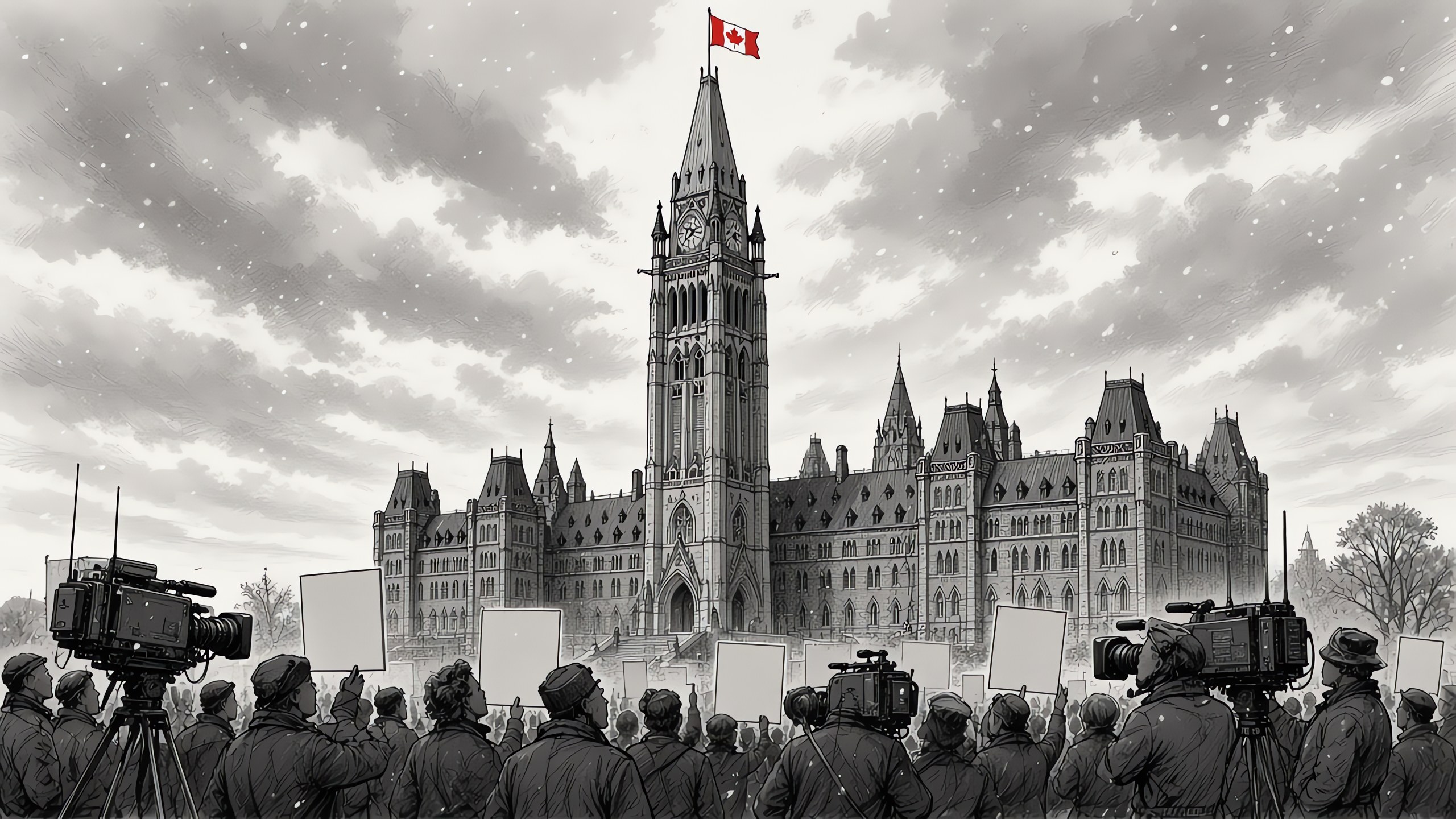
Jean Chrétien is re-elected…
Jean Chrétien won a…
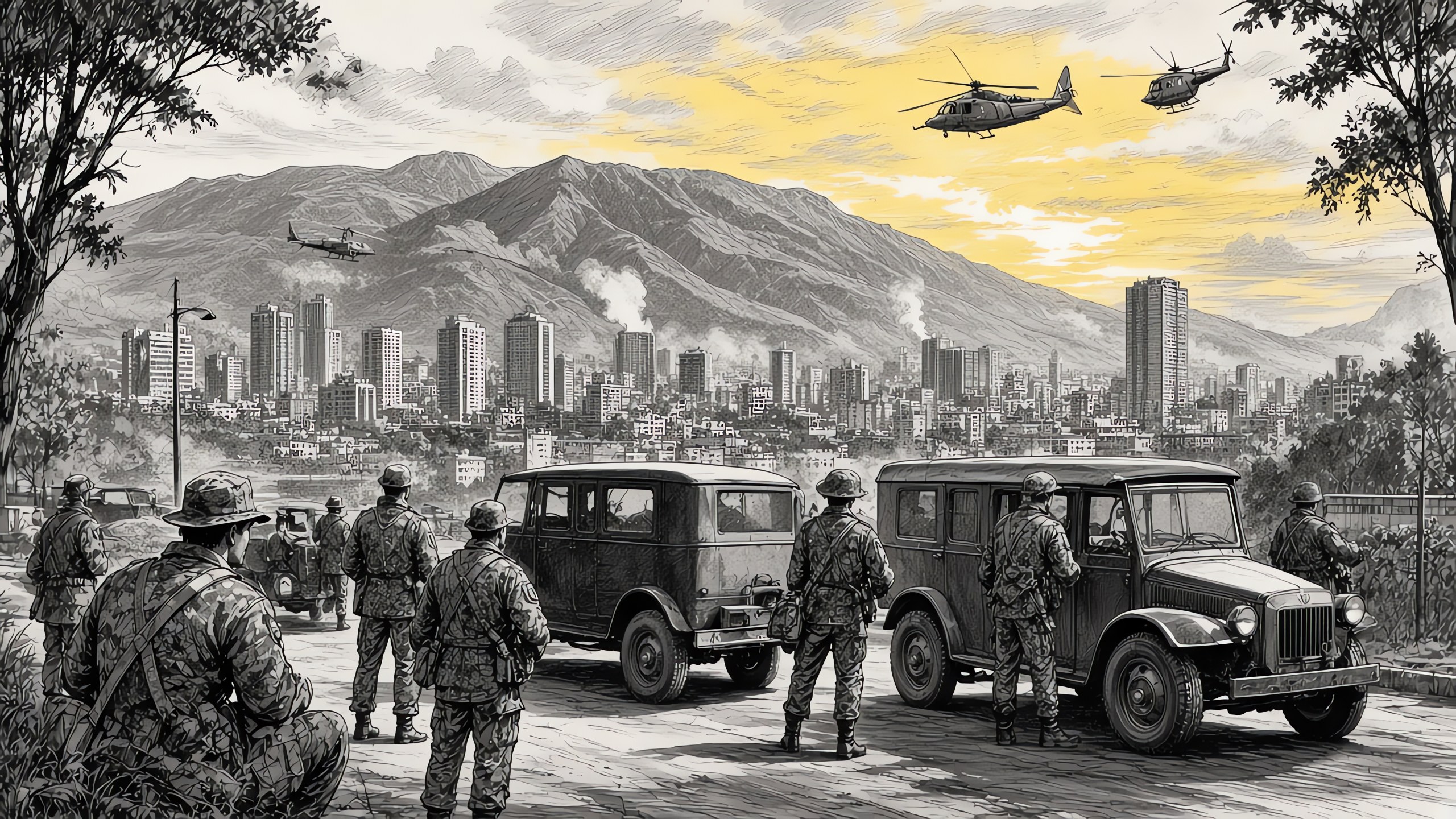
For the second time…
"Experience the gripping historical…
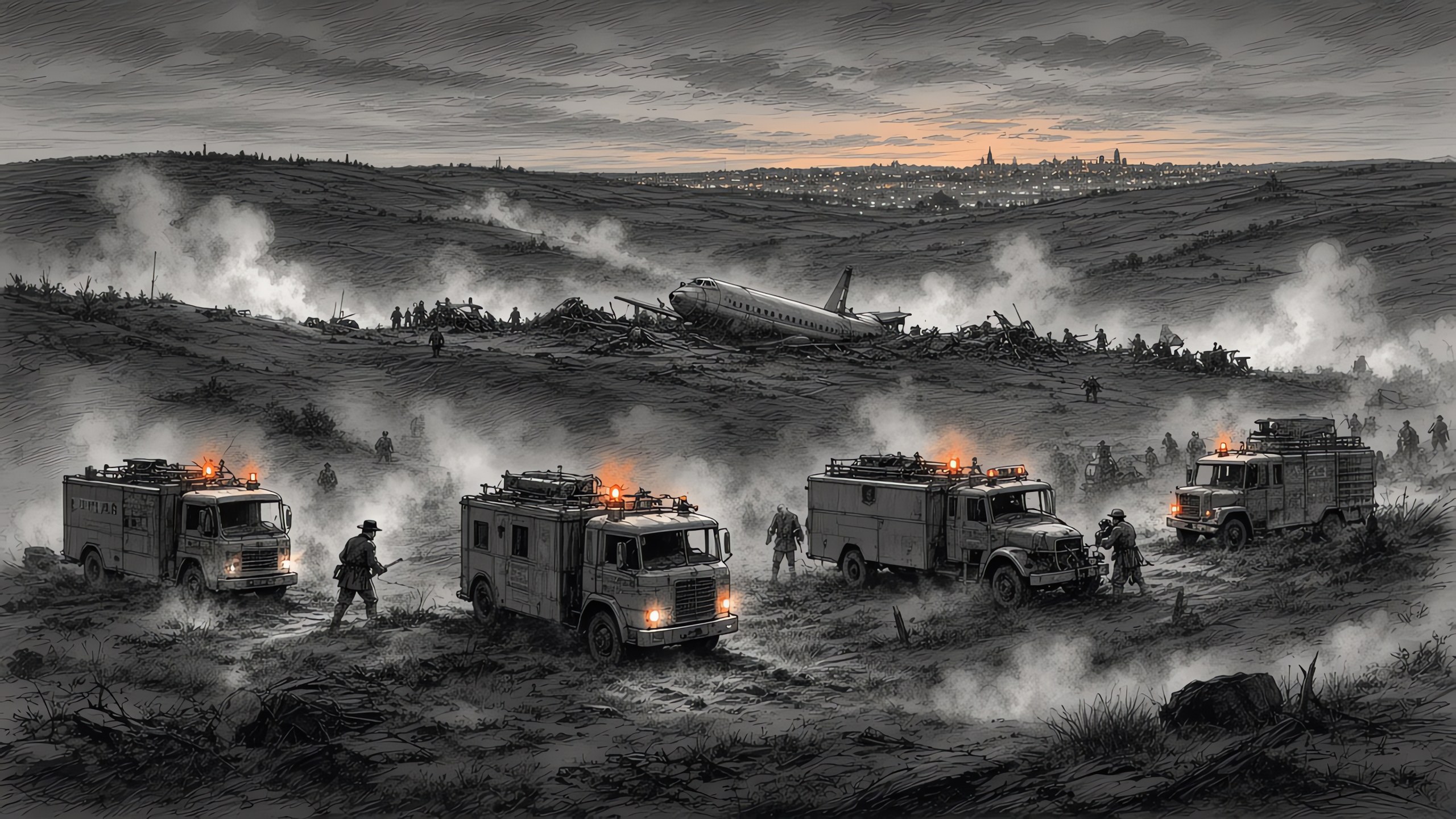
A Colombian Avianca Flight…
On November 27, 1983,…