
Flashback to November 26
World History
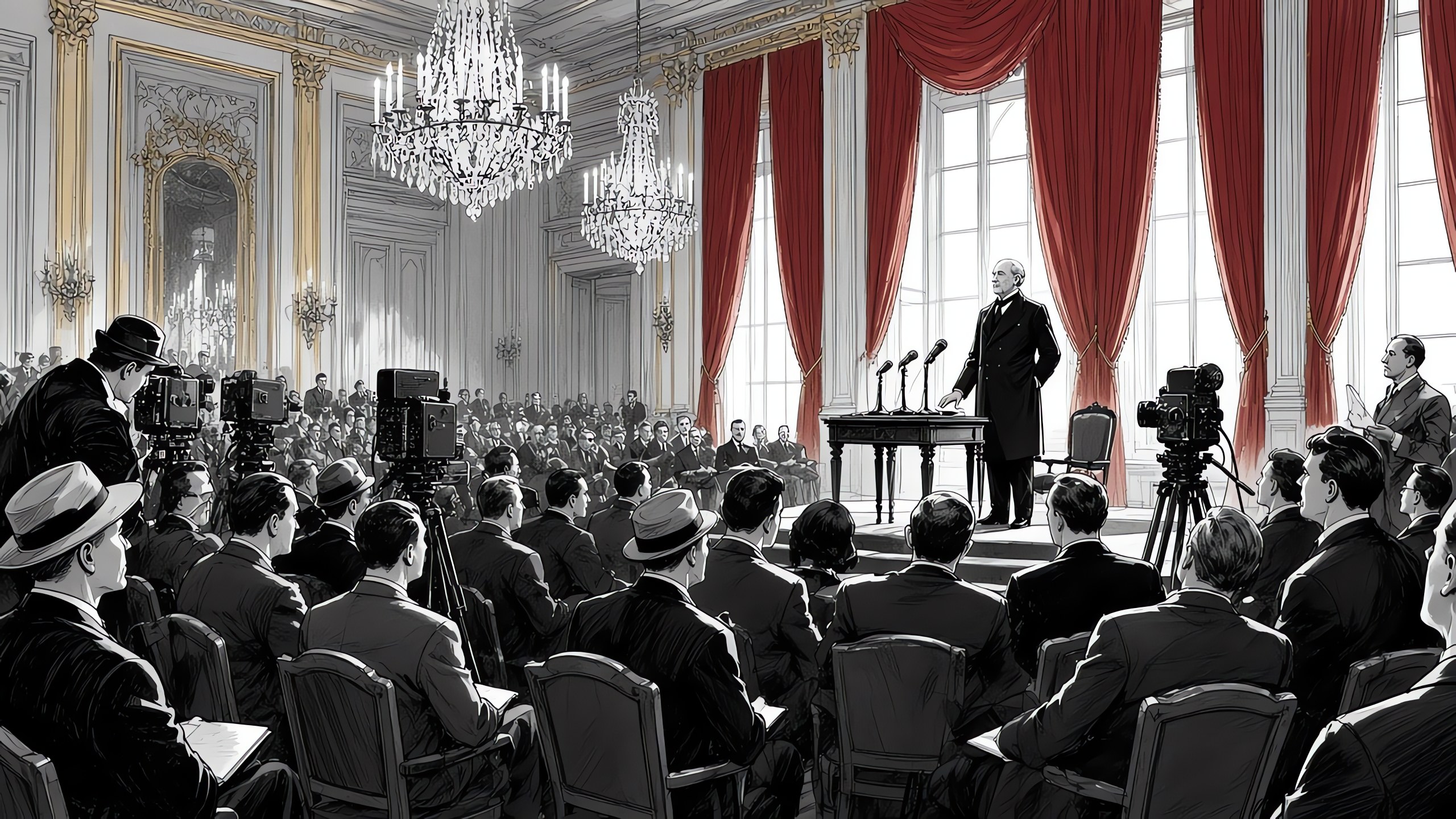
On November 27, 1967, French President Charles de Gaulle faced the press at the Elysee Palace in Paris and once again shut the door on British membership of the European Economic Community. Speaking at length, he said Britain would need a radical transformation before it could join the six nations of the Common Market. It was his second veto of a British application in less than five years.
The Common Market had been founded by the Treaty of Rome in 1957, linking France, West Germany, Italy, Belgium, the Netherlands and Luxembourg. Britain at first stayed out, preferring its ties with the Commonwealth, and in 1960 it helped form the looser European Free Trade Association instead. As the Six prospered, opinion in London shifted, and in 1961 the Conservative government of Harold Macmillan applied to join.
De Gaulle ended that effort in January 1963, telling a press conference that Britain’s island economy, its trade patterns and its close relationship with the United States made it unsuited to the community. In May 1967 the Labour government of Prime Minister Harold Wilson submitted a second application, and Wilson toured European capitals to win support.
The timing of the November press conference was difficult for Britain. Only nine days earlier, on November 18, the Wilson government had been forced to devalue the pound, cutting its value against the dollar from $2.80 to $2.40. De Gaulle seized on the crisis. He described Britain’s chronic balance-of-payments deficit, its controls on the export of capital and the special role of sterling as an international reserve currency as incompatible with the Common Market.
He also pointed to the way Britain fed itself, through heavily subsidized farming and cheap food imported from the Commonwealth, which he said would make it impossible for London to accept the community’s farm finance rules. He suggested that Britain might instead seek some form of trade association, and argued that letting it in as it was would break apart what the Six had built.
The reaction in Britain was angry. Wilson rejected de Gaulle’s arguments point by point in a statement two days later, and France’s five partners, who mostly favored British entry, were frustrated. Still, the Common Market worked by unanimity on such matters, and in December France formally blocked the opening of negotiations.
The deadlock lasted as long as de Gaulle held power. He resigned in April 1969 after losing a referendum, and his successor, Georges Pompidou, was willing to reopen talks. Britain, under Conservative Prime Minister Edward Heath, signed a treaty of accession in January 1972 and joined on January 1, 1973, together with Ireland and Denmark.
Britain’s relationship with Europe remained uneasy. Voters confirmed membership in a 1975 referendum, but in 2016 they chose to leave, and the United Kingdom departed the European Union in January 2020. De Gaulle’s warnings in 1967 that Britain and the continent saw Europe differently are still quoted in debates about that long and complicated relationship.
We strive for accuracy. If you see something that doesn't look right, click here to contact us!
 Contact Us
Sponsored Content
The Mainila shelling gives…
On November 26, 1939,…
Mongolian People’s Republic proclaimed.
Celebrating the pivotal turning…
A severe storm destroys…
On November 26, 1703,…
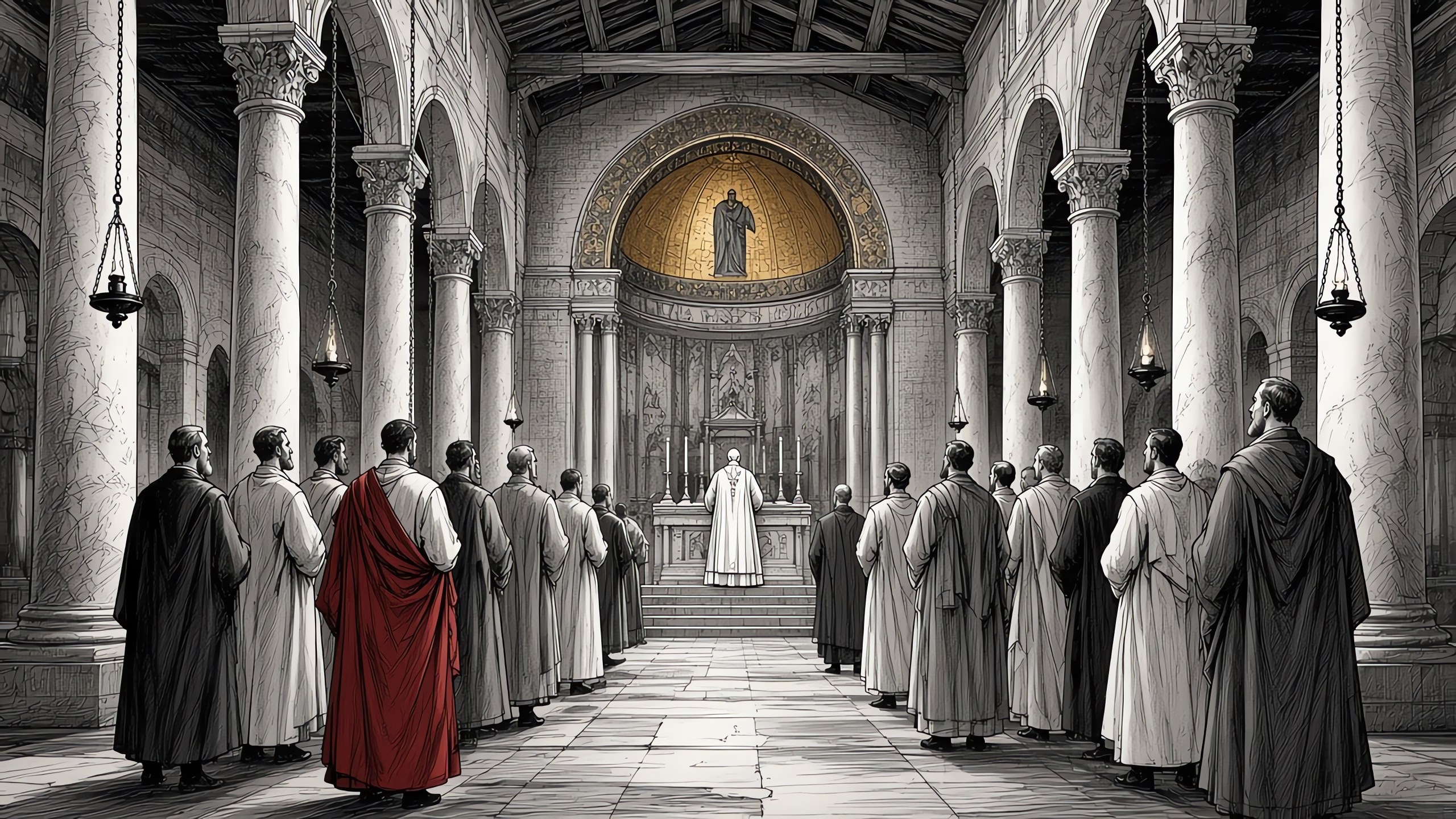
Pelagius II begins his…
"Pelagius II, an influential…
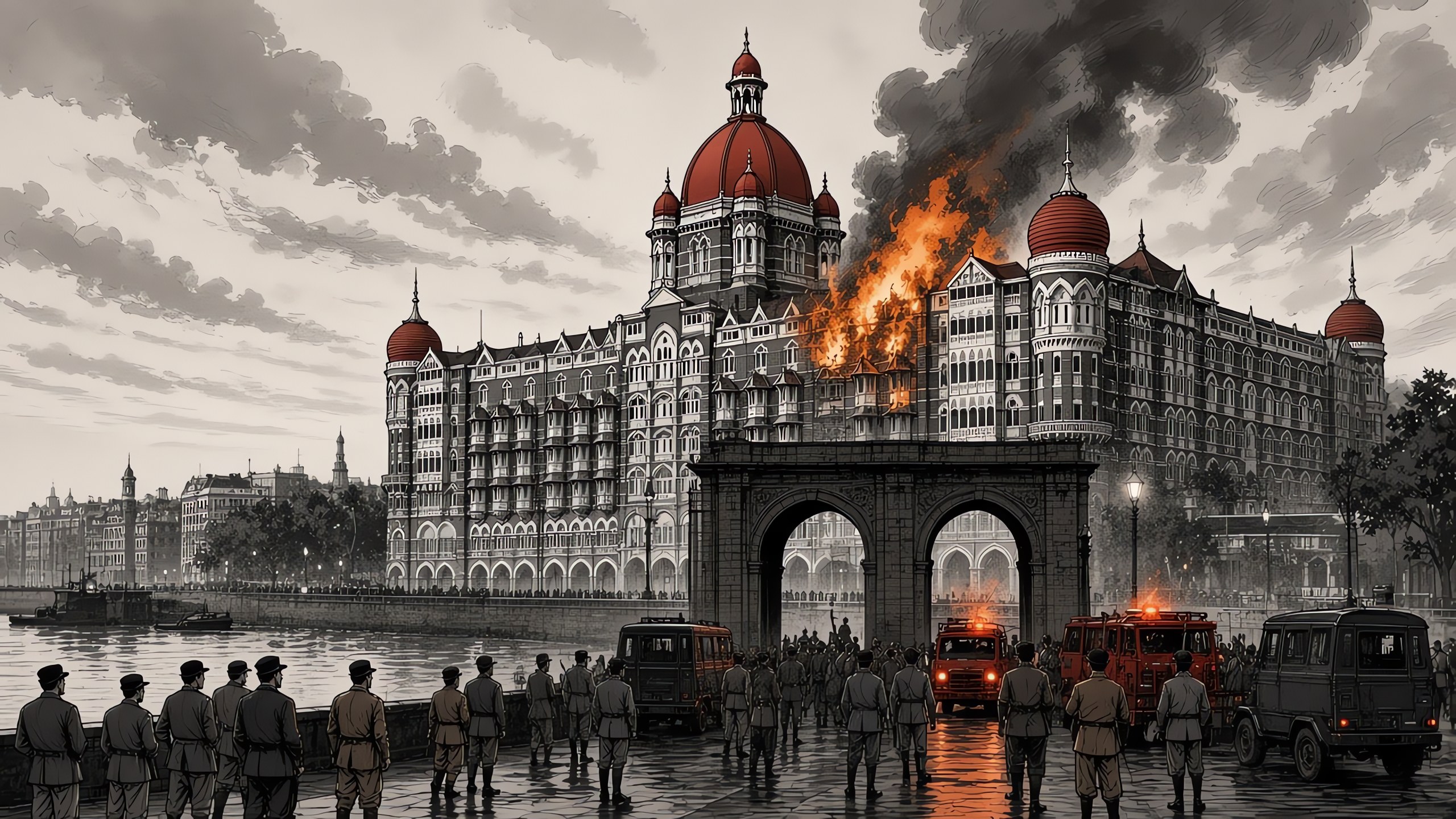
Terrorists launch coordinated attacks…
On the night of…
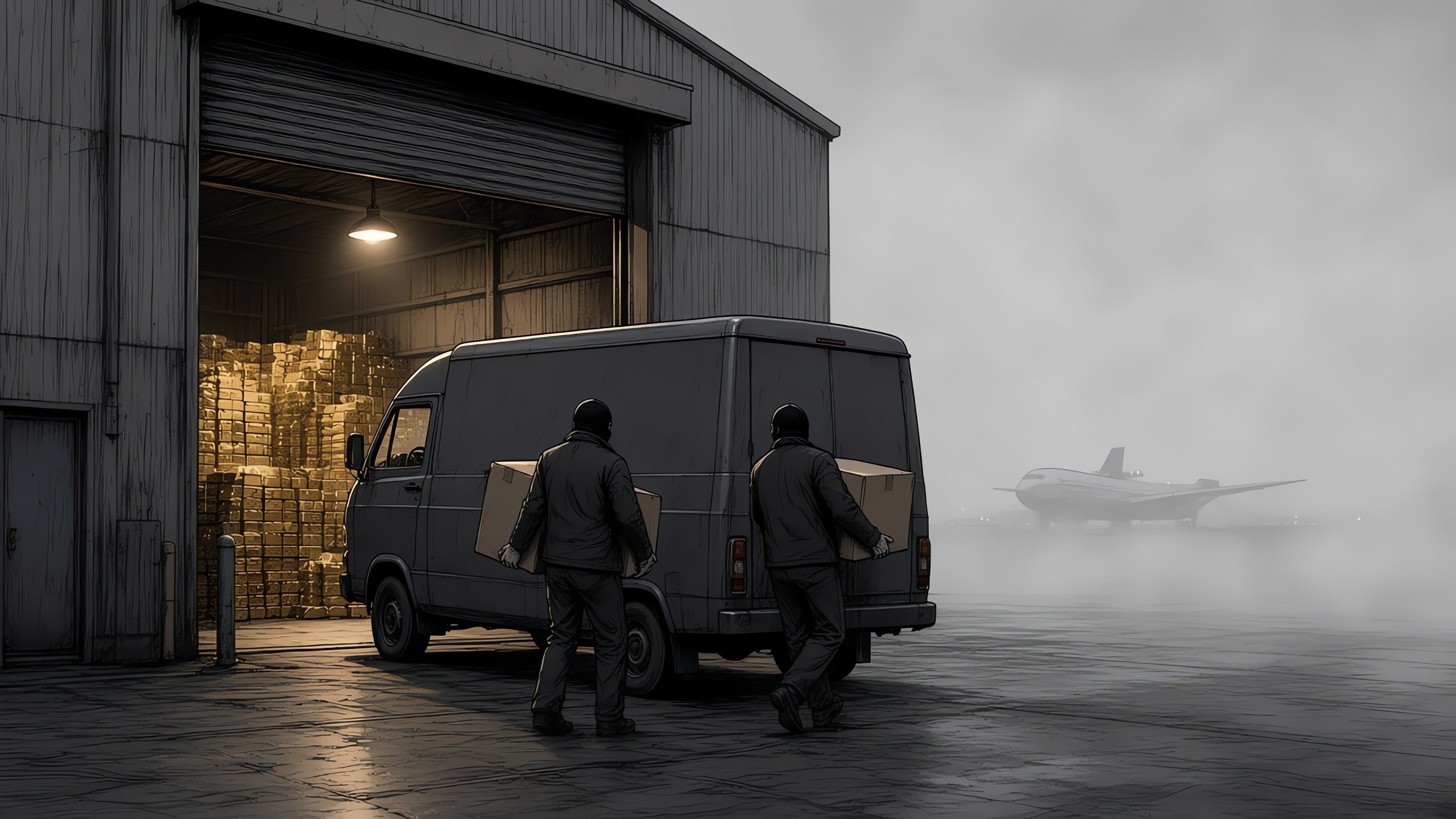
Robbers steal £26 million…
On November 26, 1983,…
