
Flashback to November 27
World History
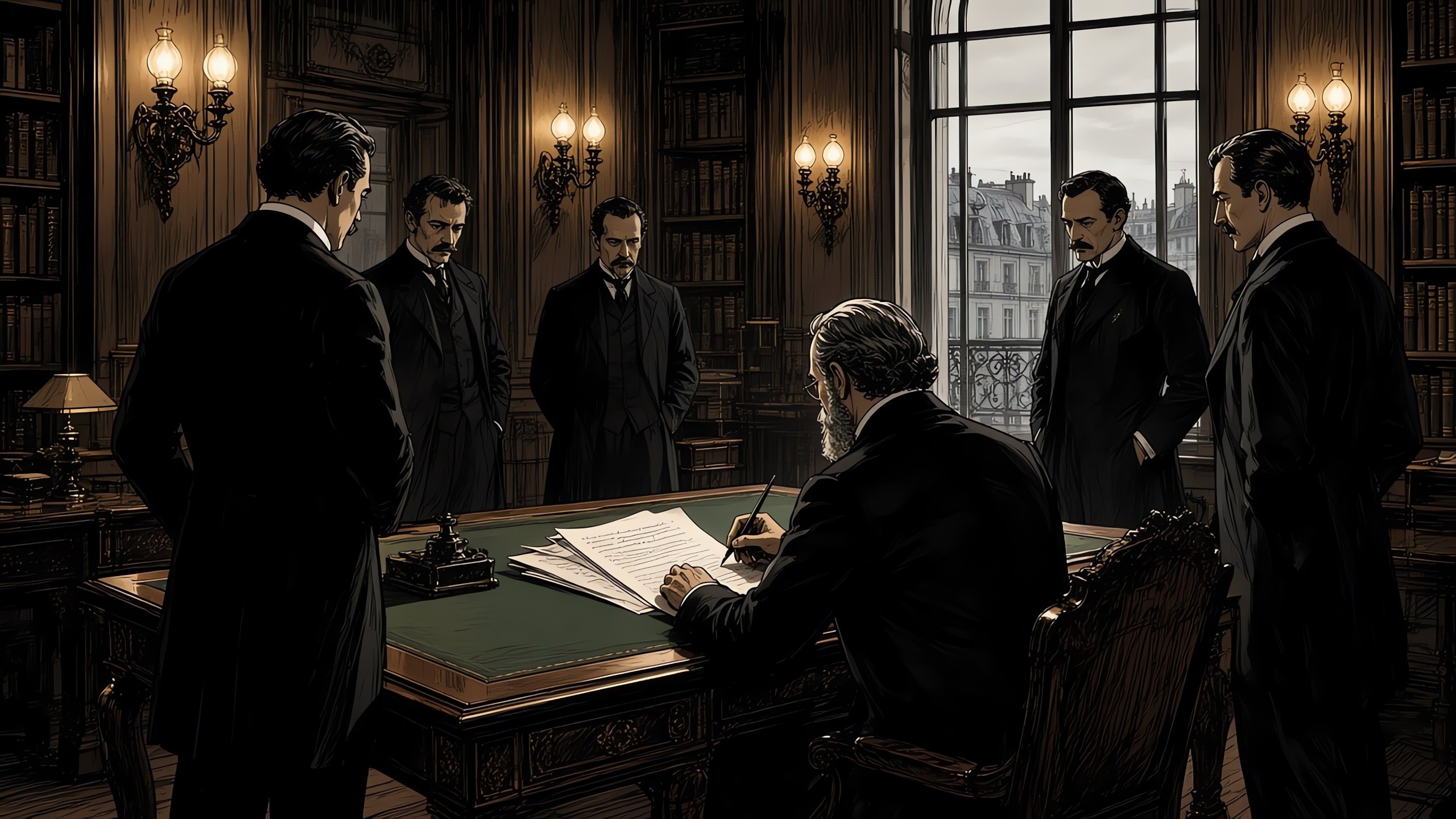
On November 27, 1895, Alfred Nobel sat down at the Swedish-Norwegian Club in Paris and signed a short handwritten will that would make his name known around the world for reasons he chose himself. In a few pages he directed that most of his large fortune be used to reward people whose work brought the greatest benefit to humanity. Those rewards became the Nobel Prizes.
Nobel was born in Stockholm in 1833 and grew up partly in Russia, where his father ran an engineering business. He trained as a chemist and devoted his career to explosives. In 1867 he patented dynamite, a far safer way to handle nitroglycerin, and later developed blasting gelatin and a smokeless powder called ballistite. Mining, railway building and canal digging all relied on his products, and he built factories and companies in many countries.
The work made him one of the richest men in Europe, but it also brought tragedy and criticism. His younger brother Emil died in an explosion at a family workshop in 1864. A well-known story holds that in 1888, when another brother, Ludvig, died, a French newspaper mistakenly printed an obituary for Alfred that condemned him as a dealer in death. Historians debate how much that episode shaped his plans, but Nobel clearly thought hard about how his wealth should be used.
Nobel never married and had no children. He had written earlier wills, but the version he signed in Paris in front of four witnesses was his last. After gifts to relatives, servants and friends, it left about 94 percent of his estate, more than 31 million Swedish kronor, to be invested safely, with the income divided each year into five equal prizes.
The will named the fields precisely: physics, chemistry, physiology or medicine, literature “in an ideal direction,” and work for peace and fraternity between nations. It also set out who would choose the winners. Swedish academies and the Karolinska Institute would award the science and literature prizes, while a committee of five people chosen by the Norwegian parliament would award the peace prize. Nobel added that prizes should go to the most worthy candidates regardless of nationality.
Nobel died at his villa in San Remo, Italy, on December 10, 1896. When the will was opened, it caused astonishment. Some relatives contested it, Swedish critics objected that a Norwegian body should not choose any winner, and the prize-giving institutions hesitated to take on the task. The young engineer Ragnar Sohlman, one of the two executors, spent years settling the estate across several countries.
The Norwegian parliament accepted its role in April 1897, and the Nobel Foundation was set up in 1900 to manage the money. The first prizes were awarded on December 10, 1901, the fifth anniversary of Nobel’s death. A sixth award, in economic sciences, was later added by Sweden’s central bank in 1968 in his memory.
More than a century later, the prizes are still handed out each December, and a few pages signed in a Paris club in 1895 remain the founding document of the world’s best-known awards.
We strive for accuracy. If you see something that doesn't look right, click here to contact us!
 Contact Us
Sponsored Content
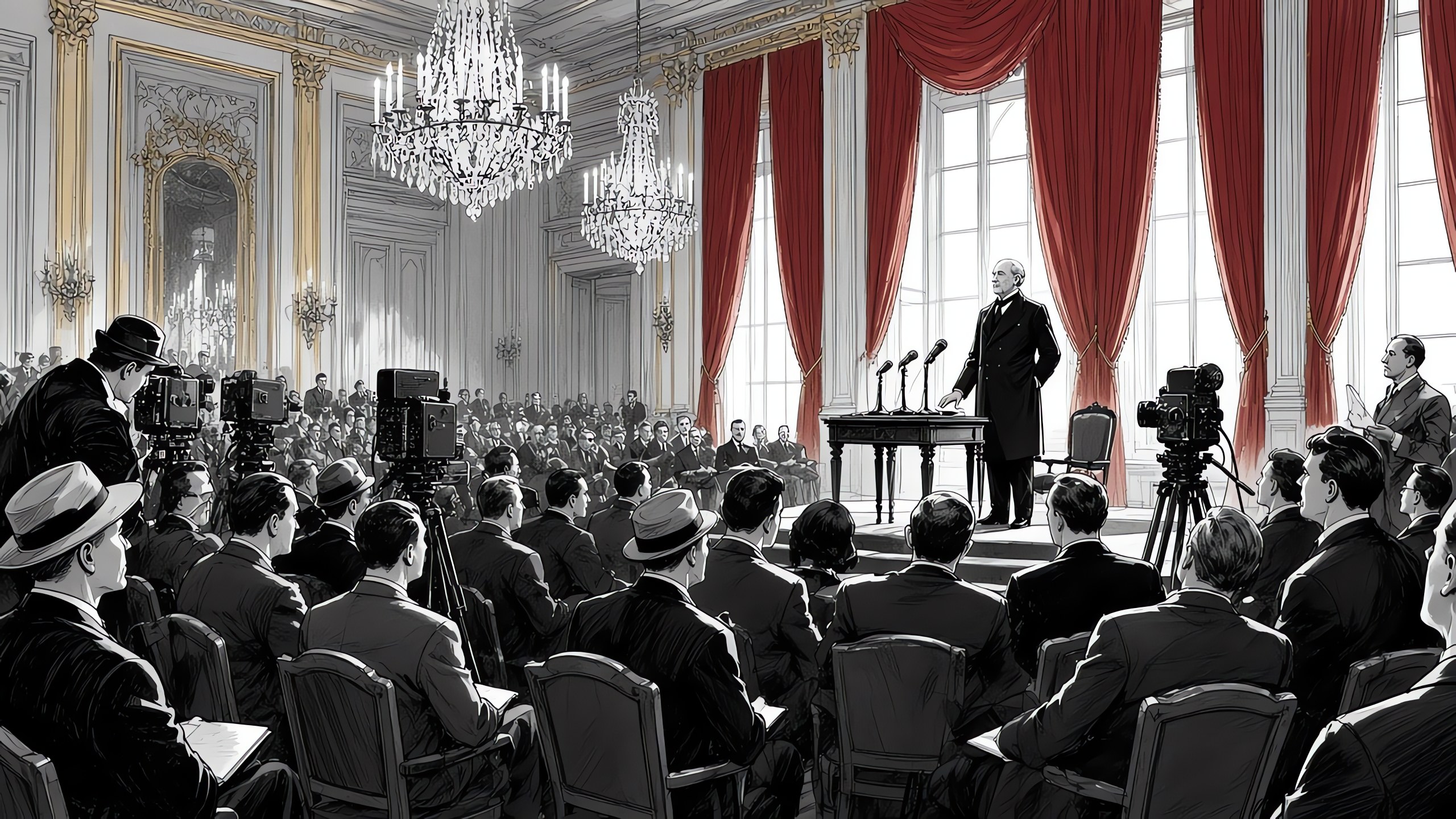
Charles de Gaulle again…
On November 27, 1967,…
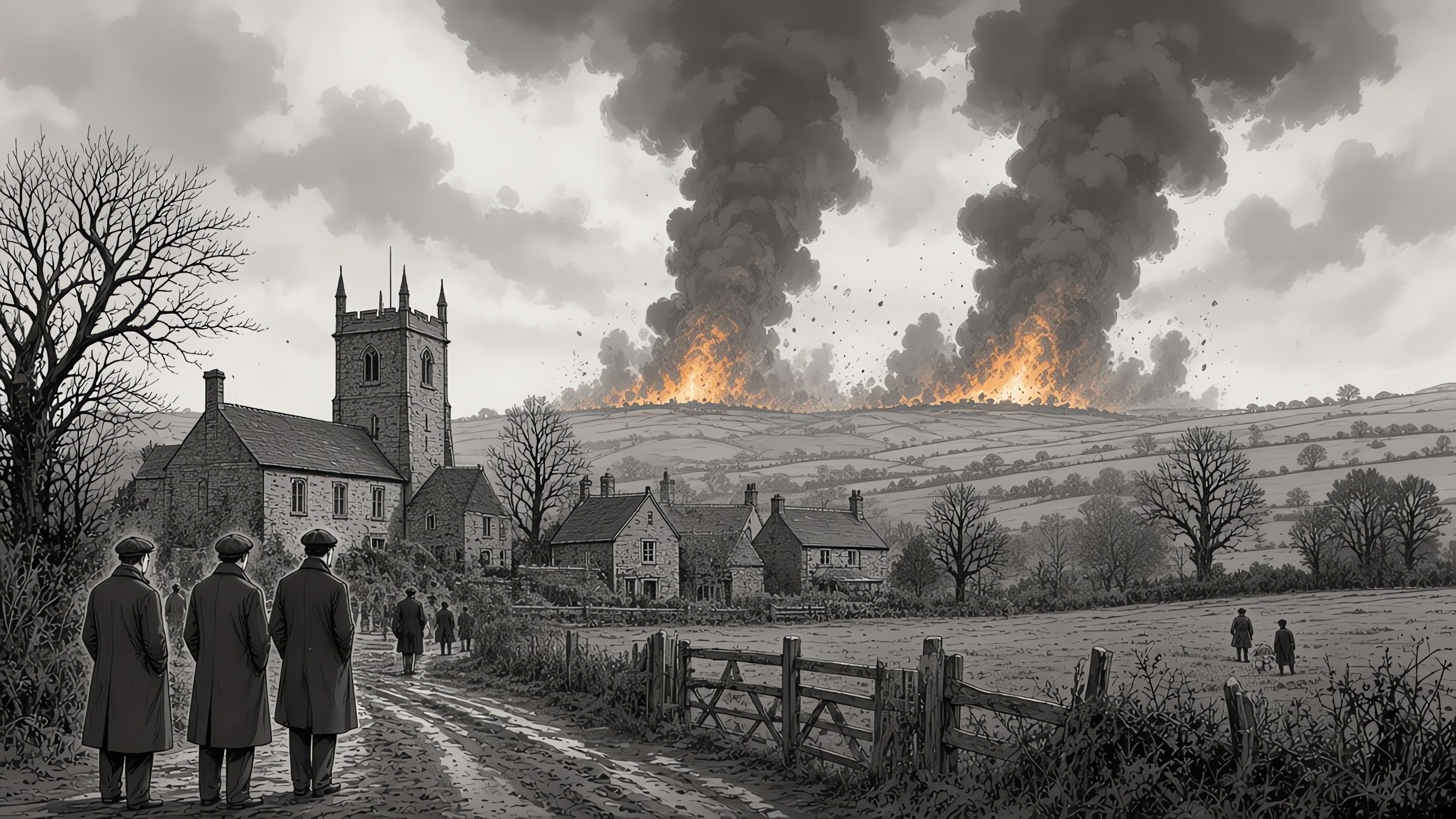
Thousands of tons of…
On November 27, 1944,…
Alfred Nobel signs the…
On November 27, 1895,…
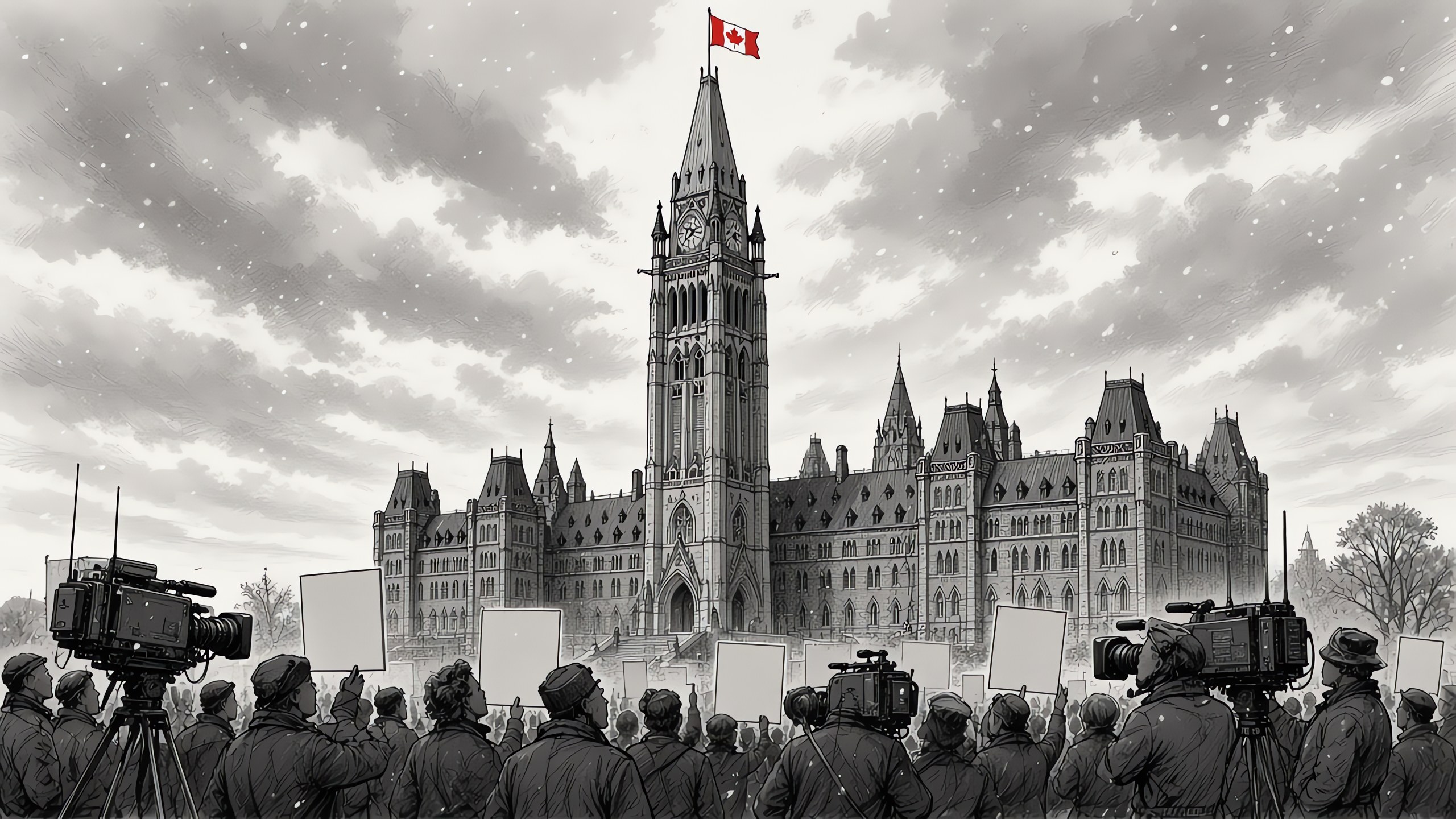
Jean Chrétien is re-elected…
Jean Chrétien won a…
For the second time…
"Experience the gripping historical…
A Colombian Avianca Flight…
On November 27, 1983,…
