Flashback to November 29
Entertainment History
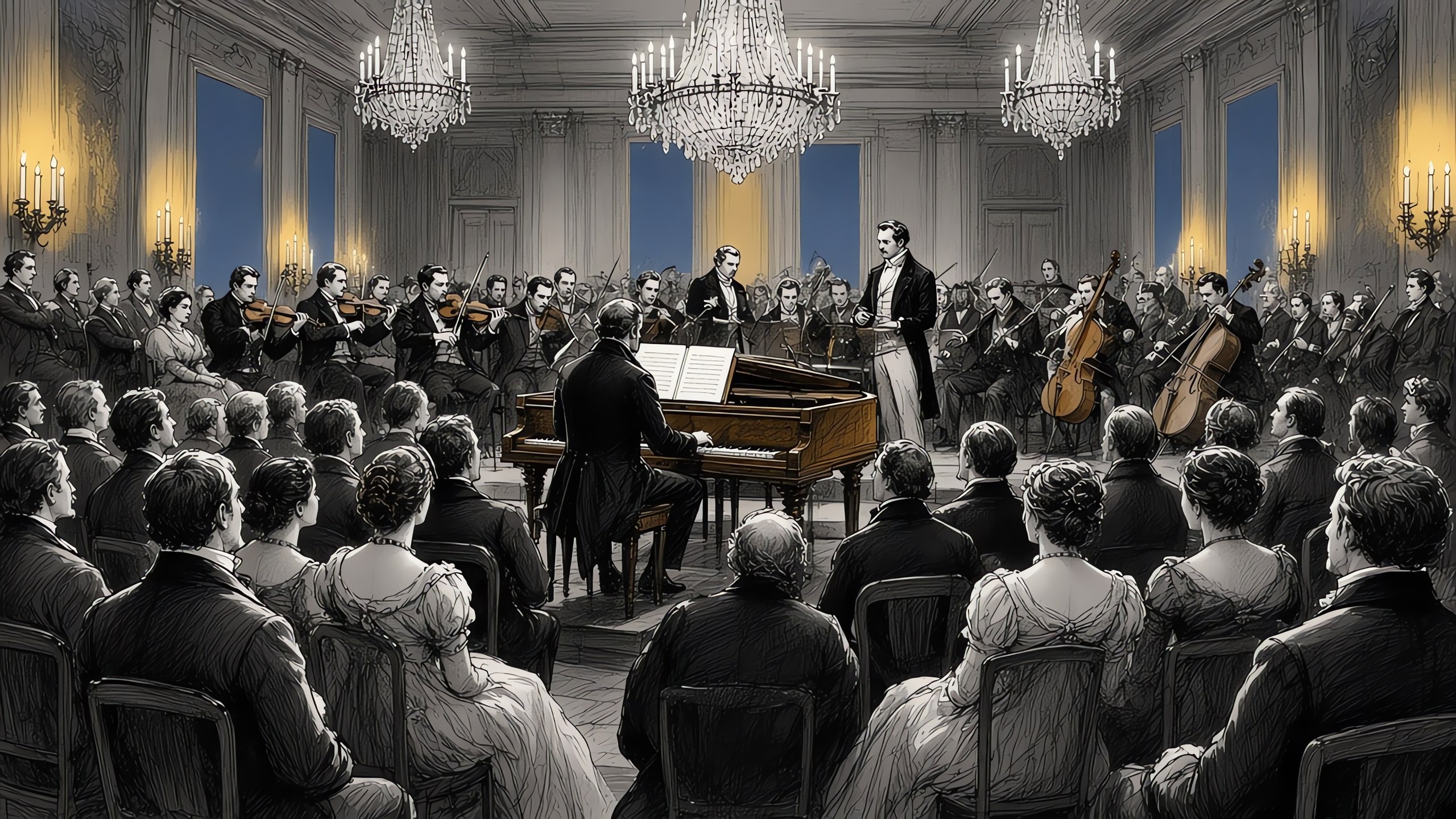
On November 28, 1811, the Gewandhaus Orchestra in Leipzig gave the first public performance of Ludwig van Beethoven’s Piano Concerto No. 5 in E-flat major, the work English-speaking audiences know as the “Emperor” Concerto. The soloist was Friedrich Schneider, a young organist at the city’s University Church, and the orchestra was directed by Johann Philipp Christian Schulz. Beethoven himself did not play. By then his hearing had declined so badly that he could no longer appear as a concert soloist.
Beethoven wrote the concerto in Vienna in 1809, in the middle of the Napoleonic Wars. French troops besieged and bombarded the city that spring, and the composer sheltered in his brother’s cellar with pillows pressed over his ears to protect what hearing he had left. In a letter that July he complained that there was nothing around him but drums, cannons, men and misery of every kind.
He was able to stay in Vienna thanks to an annual pension pledged by three noble patrons, Archduke Rudolph, Prince Kinsky and Prince Lobkowitz, who wanted to keep him from accepting a post in Westphalia. Rudolph, his pupil and friend, received the dedication of the new concerto. Rudolph also played it at a private concert in Lobkowitz’s palace in January 1811, where one listener called it extraordinarily difficult and not at all pleasant.
The concerto broke with convention from its first bars. Instead of a long orchestral introduction, the piano bursts in at once with sweeping, written-out flourishes between three great chords from the orchestra. The work runs about forty minutes, and its quiet slow movement leads without a break into a rollicking rondo finale.
The Leipzig audience was won over. A critic for the Allgemeine musikalische Zeitung wrote that the piece was without doubt one of the most original, imaginative and effective of all existing concertos, and also one of the most difficult. He praised Schneider’s playing as masterly and said the very large audience was moved to rapture.
Vienna was less enthusiastic. When Beethoven’s pupil Carl Czerny played the concerto there on February 12, 1812, a reviewer grumbled about its excessive length. It was the last piano concerto Beethoven completed, and he never performed it in public himself.
The nickname “Emperor” did not come from Beethoven. Its origin is uncertain, and it may have been coined by the London publisher Johann Baptist Cramer. The concerto has no connection with any emperor, and Beethoven, who had angrily withdrawn the dedication of his Third Symphony after Napoleon crowned himself, would probably have disliked the label.
The concerto went on to become one of the most performed works in the piano repertoire. Franz Liszt played it throughout his career, the first recording appeared in 1912, and it has since been recorded by nearly every major pianist. The warm reception in Leipzig on that November night was the start of its long life in the concert hall.
We strive for accuracy. If you see something that doesn't look right, click here to contact us!
 Contact Us
Sponsored Content

Former Beatle George Harrison…
On November 29, 2001,…
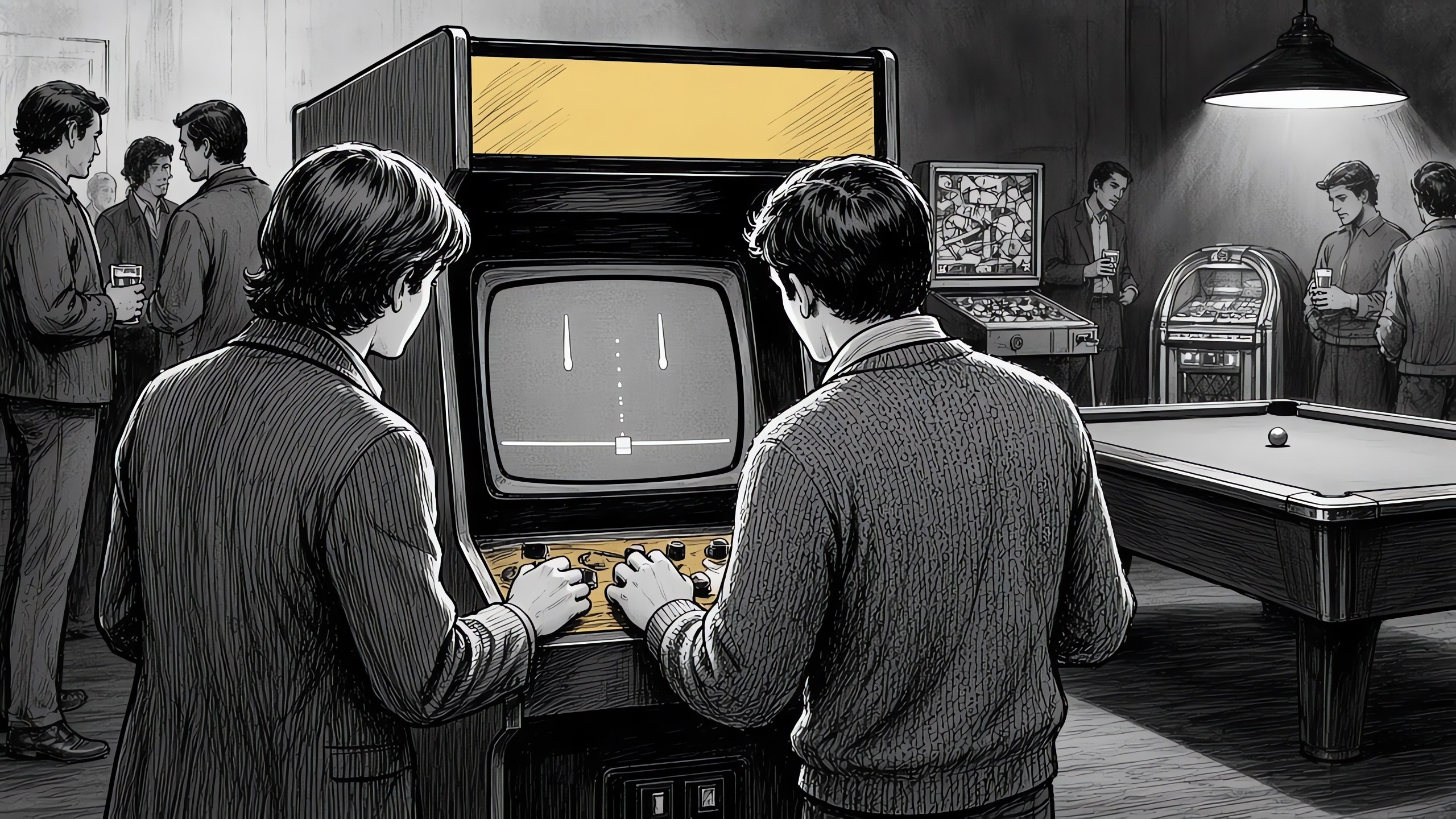
Atari releases Pong, the…
On November 29, 1972,…
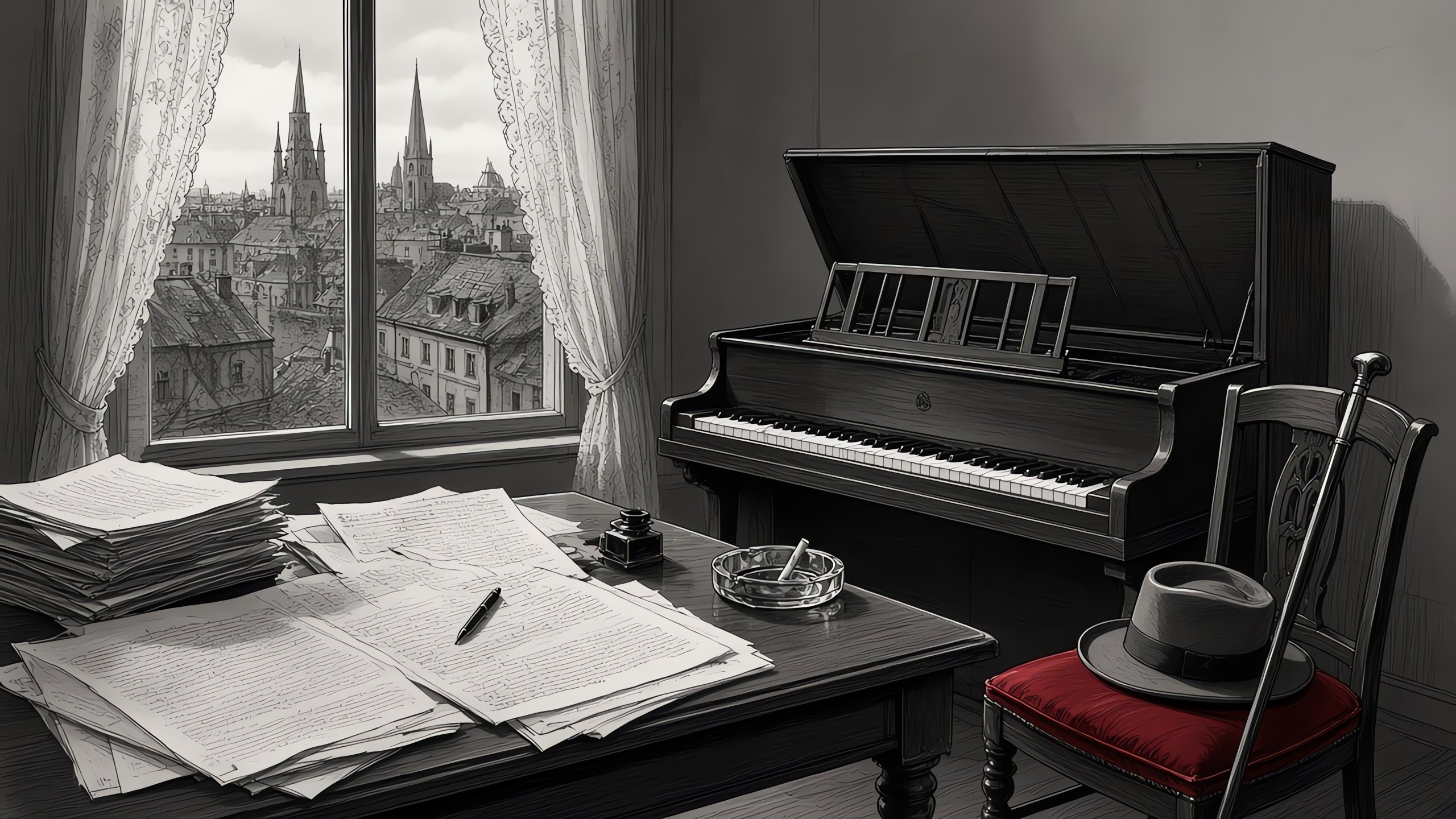
Giacomo Puccini dies in…
On November 29, 1924,…
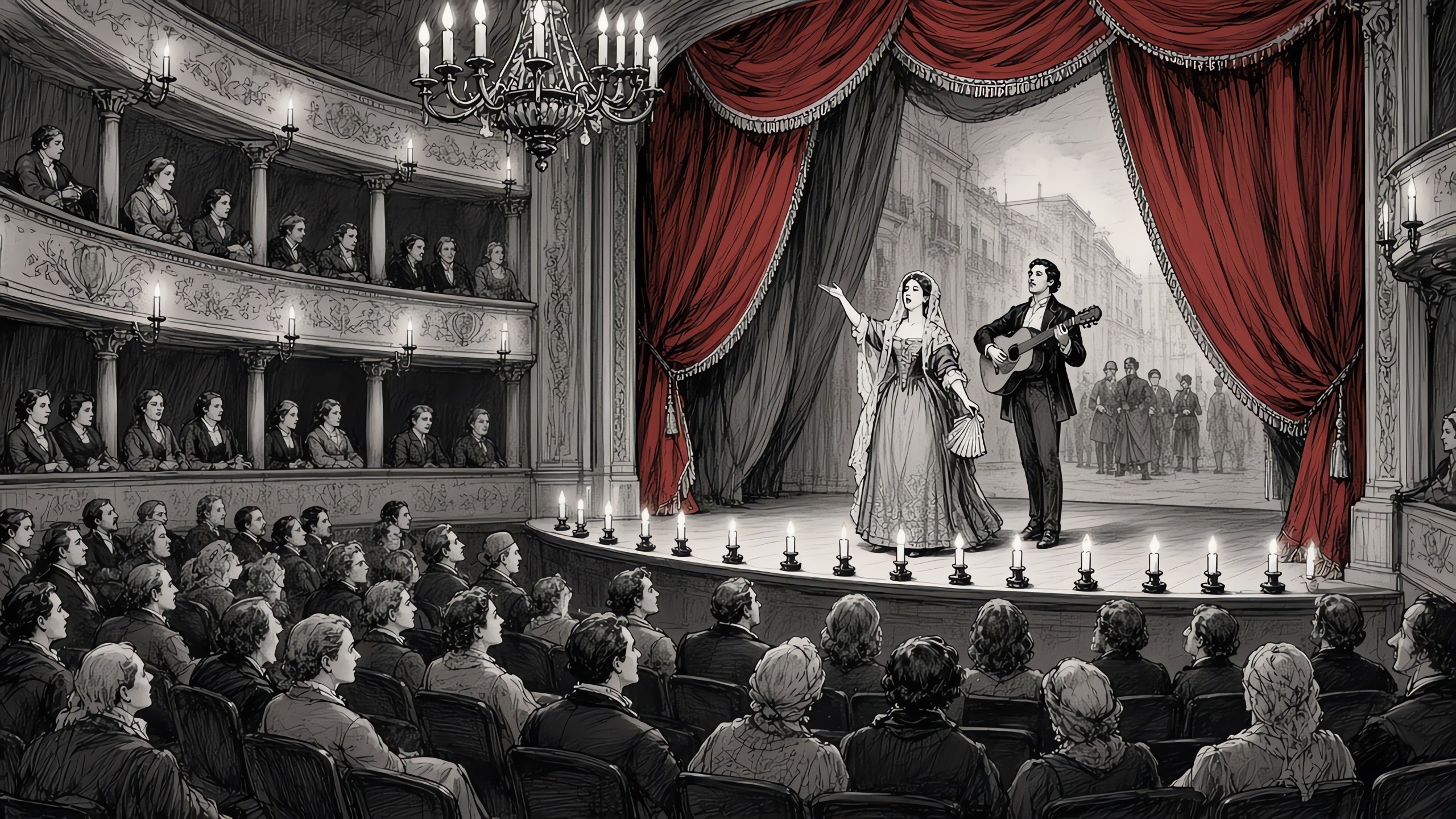
Manuel García’s company stages…
On November 29, 1825,…

Cary Grant, British-born American…
Cary Grant, the British-born…
Actress Natalie Wood drowns…
On November 29, 1981,…