Flashback to November 29
Entertainment History
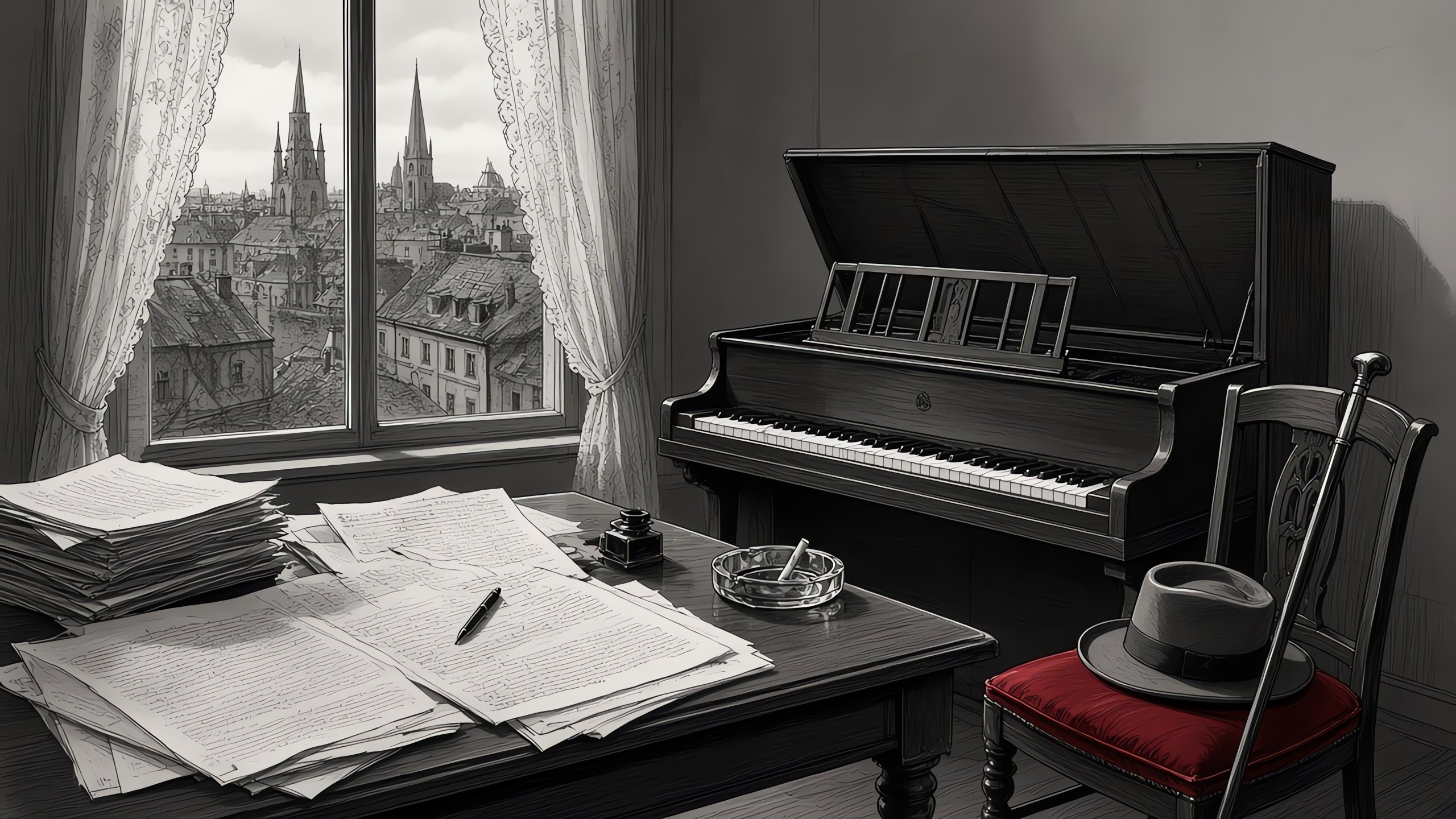
On November 29, 1924, the Italian composer Giacomo Puccini died in Brussels, where he had gone for treatment of throat cancer. He was 65. The most popular opera composer of his generation, the creator of La bohème, Tosca and Madama Butterfly, Puccini left behind his final opera, Turandot, with its closing scene still unwritten.
Puccini was born in 1858 in Lucca, into a family that had provided church musicians for the city for generations. He turned instead to opera, studied at the Milan Conservatory, and found his first great success with Manon Lescaut in 1893. La bohème followed in 1896, Tosca in 1900 and Madama Butterfly in 1904, and together they made him a wealthy and internationally famous figure.
His music was known for its sweeping melodies, vivid orchestration and sympathetic heroines, and his operas were staged in every major house from Milan to New York. Critics did not always admire his emotional directness, but audiences loved it, and his works became the backbone of the operatic repertoire.
By 1924 Puccini had been working for several years on Turandot, a story of a cold Chinese princess who sets deadly riddles for her suitors. He struggled with the final duet, in which the princess is won over by love. Late in 1923 he began to suffer from a persistent sore throat, and in 1924 doctors found cancer of the larynx. The seriousness of his condition was kept from him and his wife.
In November he traveled to Brussels with his son, Antonio, for a new radiation treatment offered at a private clinic there. Radioactive needles were inserted into the tumor, and at first the treatment seemed to go well. But his heart gave out a few days later, and he died on November 29. News of his death reached Rome during a performance of La bohème, which was stopped while the orchestra played Chopin’s Funeral March.
Puccini had brought his sketches for the end of Turandot with him to Brussels: 36 pages of notes for the final scene. He had completed and orchestrated the opera up to the death of the slave girl Liù in the third act. The composer Franco Alfano was later engaged to finish the work from the sketches.
Turandot had its premiere at La Scala in Milan on April 25, 1926, conducted by Arturo Toscanini, a longtime friend of the composer. At the first performance, Toscanini stopped after Liù’s death scene, laid down his baton and told the audience that this was where the maestro had stopped writing. Alfano’s ending was played at later performances.
Puccini was first buried in Milan and moved in 1926 to a chapel at his villa at Torre del Lago, where he had written much of his music. Nearly a century later, his operas remain among the most performed in the world, and the tenor aria “Nessun dorma” from Turandot has become one of the most famous pieces of music ever written for the stage.
We strive for accuracy. If you see something that doesn't look right, click here to contact us!
 Contact Us
Sponsored Content

Former Beatle George Harrison…
On November 29, 2001,…
Atari releases Pong, the…
On November 29, 1972,…
Giacomo Puccini dies in…
On November 29, 1924,…
Manuel García’s company stages…
On November 29, 1825,…

Cary Grant, British-born American…
Cary Grant, the British-born…
Actress Natalie Wood drowns…
On November 29, 1981,…