Flashback to November 28
World History
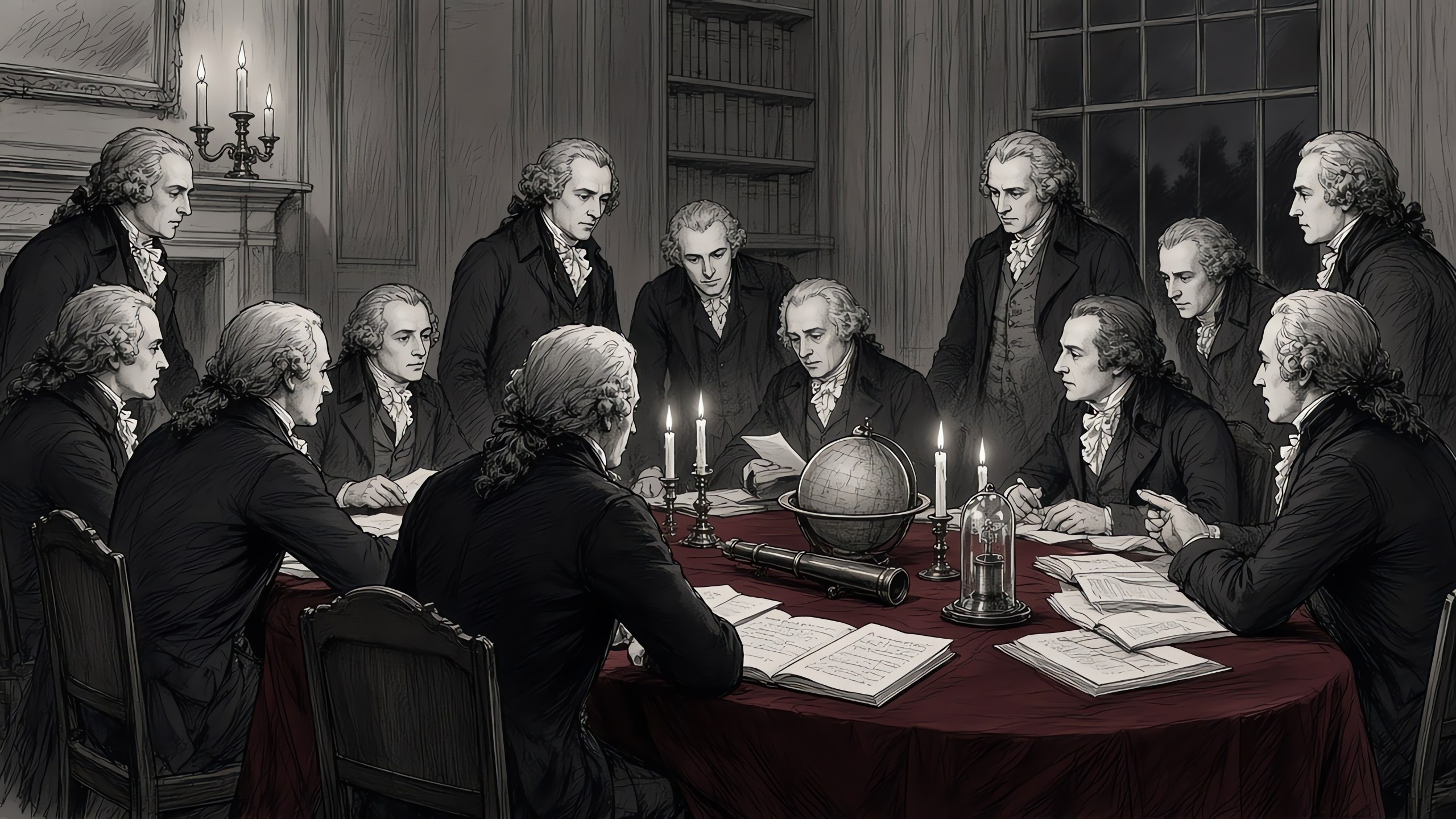
On November 28, 1660, a group of twelve men met at Gresham College in London after a lecture by the young astronomer Christopher Wren and agreed to form a society devoted to experiment and observation. They described their plan as a “Colledge for the Promoting of Physico-Mathematicall Experimentall Learning.” Within two years it had a royal charter and a new name, the Royal Society, and the date of that meeting is still treated as its founding day.
The idea had been growing for years. Since the 1640s, physicians and natural philosophers had gathered informally in London and Oxford to discuss the “new science” championed by Francis Bacon, who argued that knowledge should be built on experiments rather than on ancient authorities. At Oxford, John Wilkins, Warden of Wadham College, ran a philosophical club that drew many of the brightest minds of the day.
The return of King Charles II in May 1660 brought many of these men together in London. Gresham College, founded under the will of the Tudor merchant Sir Thomas Gresham, offered free public lectures and rooms where they could meet. Wren, then professor of astronomy there, lectured on November 28, and afterward the listeners decided to put their meetings on a formal footing.
Those present included Wren, the chemist Robert Boyle, Wilkins, the mathematician William Brouncker and the Scottish soldier and courtier Sir Robert Moray. They agreed to meet every week to witness experiments and discuss the results.
Royal favor followed quickly. Moray, who had the king’s ear, reported that Charles approved of the gatherings. A royal charter signed on July 15, 1662, created the Royal Society of London, with Brouncker as its first president, and a second charter in 1663 gave it the name it still uses, the Royal Society of London for Improving Natural Knowledge. Every British monarch since has been its patron.
The society adopted the motto Nullius in verba, usually translated as “take nobody’s word for it,” to express its belief that claims should be tested by experiment. Robert Hooke became its curator of experiments, and the secretary Henry Oldenburg began Philosophical Transactions in 1665, a journal still published today. Isaac Newton became a fellow in 1672 and later served as president.
The early society was far from a body of professional scientists. Many fellows were lawyers, merchants, landowners or courtiers who paid subscriptions and watched demonstrations, and money was often short. Women were not admitted as fellows until 1945, when Kathleen Lonsdale and Marjory Stephenson were elected.
Today the Royal Society serves as the national academy of sciences of the United Kingdom and is the oldest scientific academy in continuous existence. The weekly gatherings agreed upon at Gresham College on that November evening grew into an institution that has published, judged and rewarded scientific work for more than three and a half centuries.
We strive for accuracy. If you see something that doesn't look right, click here to contact us!
 Contact Us
Sponsored Content

Air New Zealand Flight…
On November 28, 1979,…
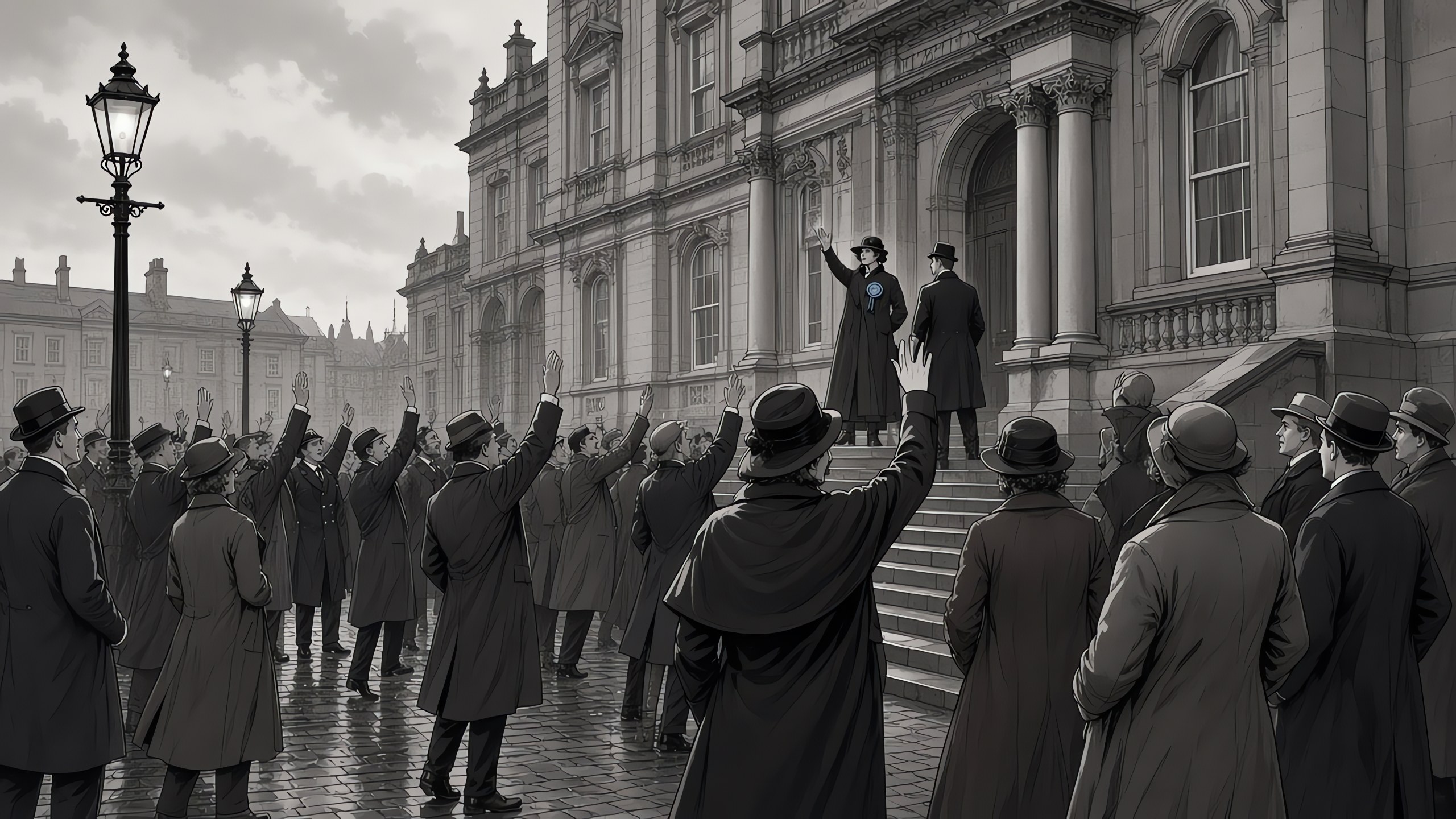
Nancy Astor wins the…
On November 28, 1919,…
Twelve men meet at…
On November 28, 1660,…
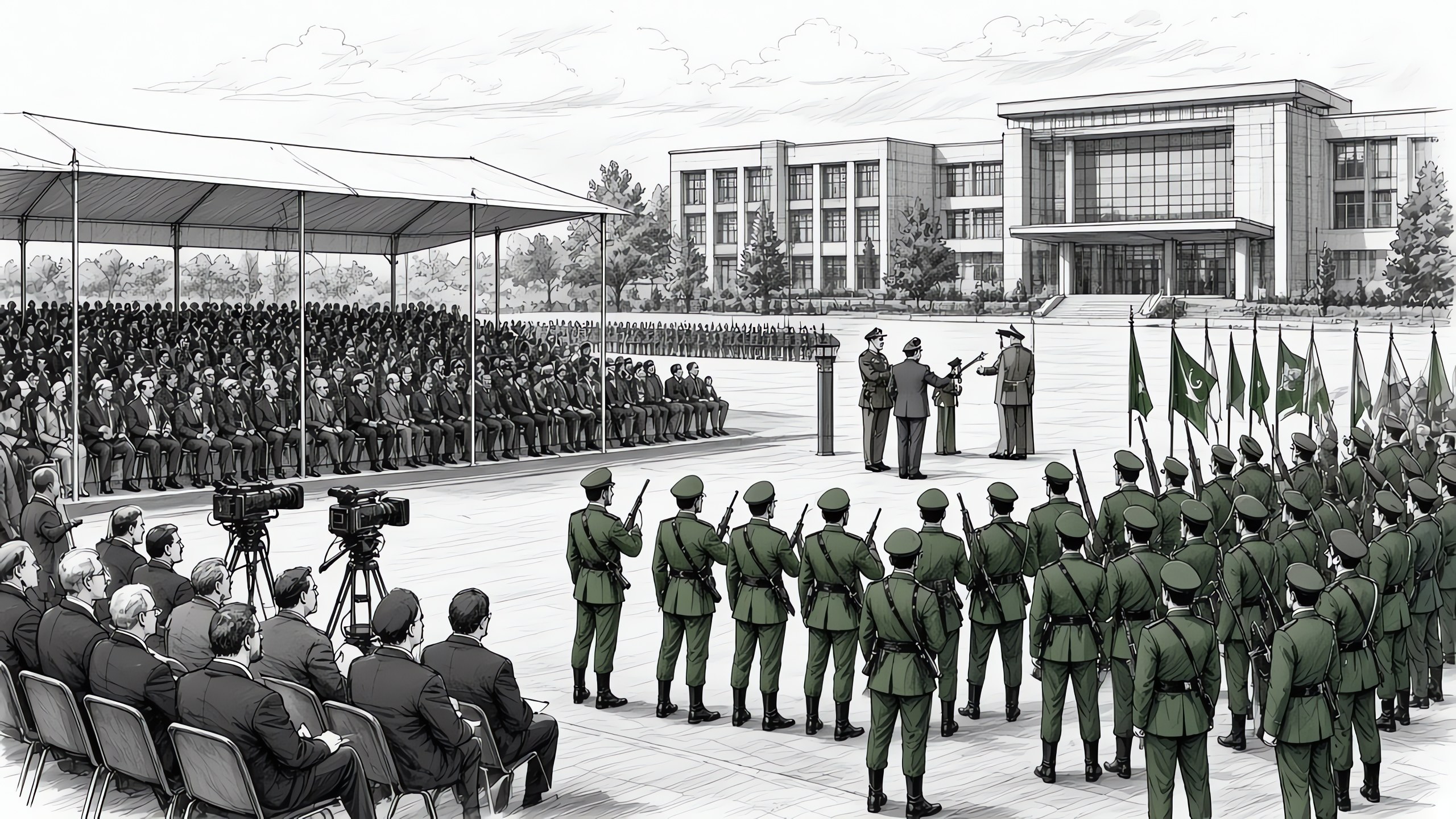
President of Pakistan Pervez…
On November 28, 2007,…
The Official Opposition (Conservative…
On November 28, 2005,…
Margaret Thatcher formally tenders…
"On November 28, 1990,…