
Flashback to November 28
World History
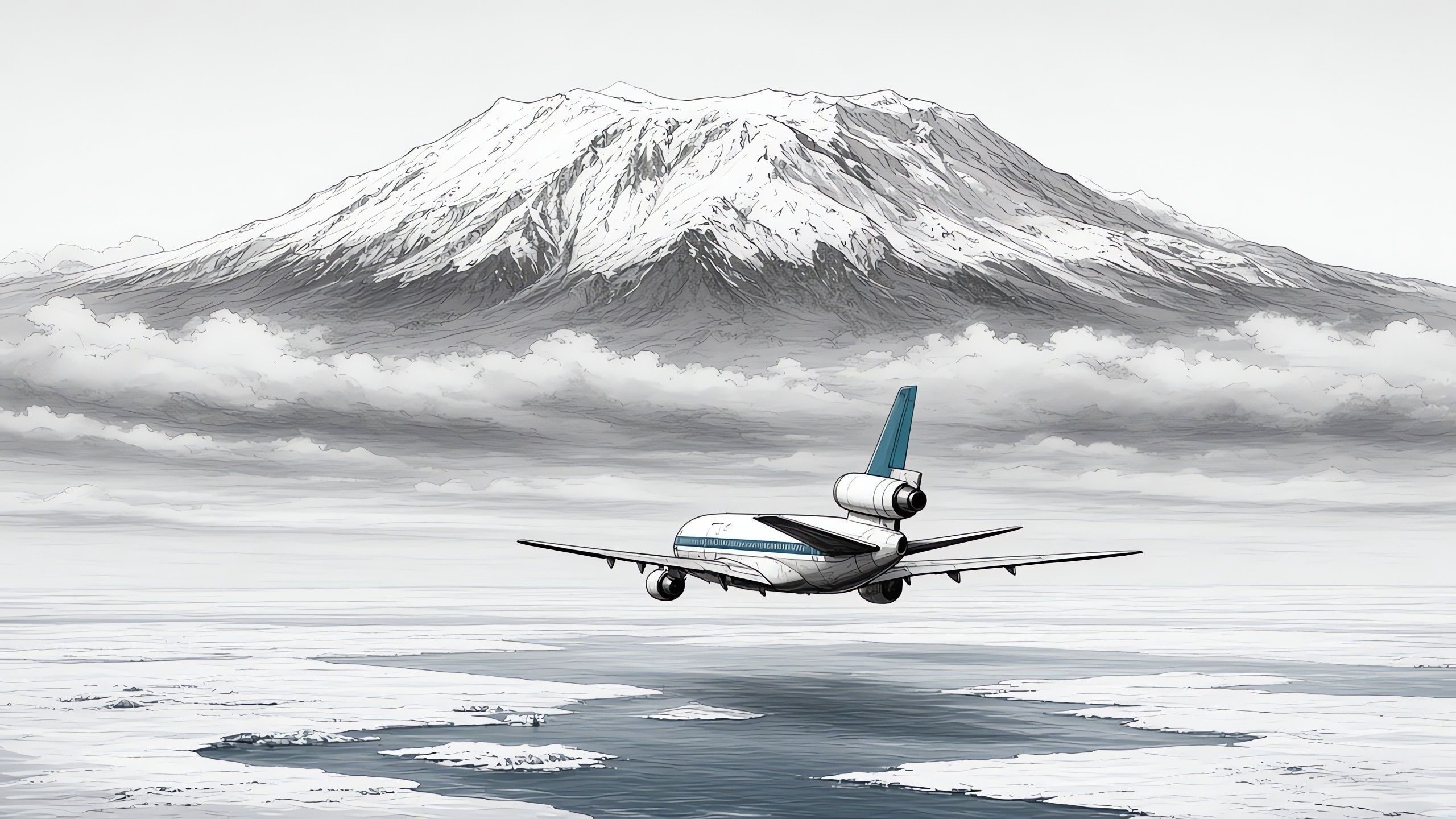
1979
Air New Zealand Flight 901 crashes into Mount Erebus in Antarctica, killing all 257 aboard
Read moreOn November 28, 1979, Air New Zealand Flight 901 flew into the lower slopes of Mount Erebus on Ross Island in Antarctica, killing all 237 passengers and 20 crew on board. The McDonnell Douglas DC-10 was on a sightseeing flight from Auckland, and the crash remains New Zealand’s deadliest peacetime disaster and the worst air accident in Antarctic history.
Air New Zealand had been running day-long Antarctic sightseeing flights since 1977. The aircraft left Auckland in the morning, flew south for several hours, swept low over McMurdo Sound so passengers could view the ice, and returned to New Zealand by evening. An experienced guide gave commentary over the public-address system. Sir Edmund Hillary was meant to guide the November 28 flight but had other commitments, and his friend and climbing partner Peter Mulgrew took his place.
The disaster had its roots in the flight’s navigation data. For months, because of an error made when the route was entered into the airline’s computer, earlier flights had followed a track down the middle of McMurdo Sound, well west of Erebus. In the early hours before Flight 901 departed, the airline’s navigation section changed the coordinates to match the originally approved route, which ran directly over the 12,448-foot volcano. Captain Jim Collins and his crew were not told.
Near McMurdo, the crew descended through a gap in the clouds to give passengers a better view, believing they were over open water and sea ice in the sound. Low cloud merged with the snow-covered mountainside in a sector whiteout, erasing any visible horizon. At 12:49 p.m. the ground proximity warning sounded. The crew applied full power, but about six seconds later the jet struck the slope at roughly 1,500 feet and exploded.
The recovery operation, known as Operation Overdue, sent New Zealand police and American and New Zealand personnel to the crash site on the ice. Working in harsh conditions, they recovered remains and evidence from the wreckage, and many later spoke of the lasting toll the work took on them.
The first official report, by chief inspector of air accidents Ron Chippindale in 1980, blamed mainly the crew’s decision to fly so low. Public anger led to a Royal Commission of Inquiry under Justice Peter Mahon, who concluded in 1981 that the main cause was the airline’s change to the flight path without telling the crew. Mahon accused the airline of presenting “an orchestrated litany of lies.” The Privy Council in London later ruled that his finding of a cover-up went too far, but his conclusion about the cause of the crash was not overturned.
Air New Zealand’s Antarctic sightseeing flights ended after the crash. In 2009 Air New Zealand’s chief executive, Rob Fyfe, apologized to families who had not received proper support from the company. On the 40th anniversary in 2019, Prime Minister Jacinda Ardern issued a formal apology on behalf of the government and the airline.
The disaster still shapes how New Zealand remembers the late 1970s. Families and recovery workers gather on anniversaries, a long-planned national memorial in Auckland has moved slowly through disputes over its site, and much of the wreckage remains on the mountain’s icy slopes.
We strive for accuracy. If you see something that doesn't look right, click here to contact us!
 Contact Us
Sponsored Content
Air New Zealand Flight…
On November 28, 1979,…
Nancy Astor wins the…
On November 28, 1919,…
Twelve men meet at…
On November 28, 1660,…
President of Pakistan Pervez…
On November 28, 2007,…
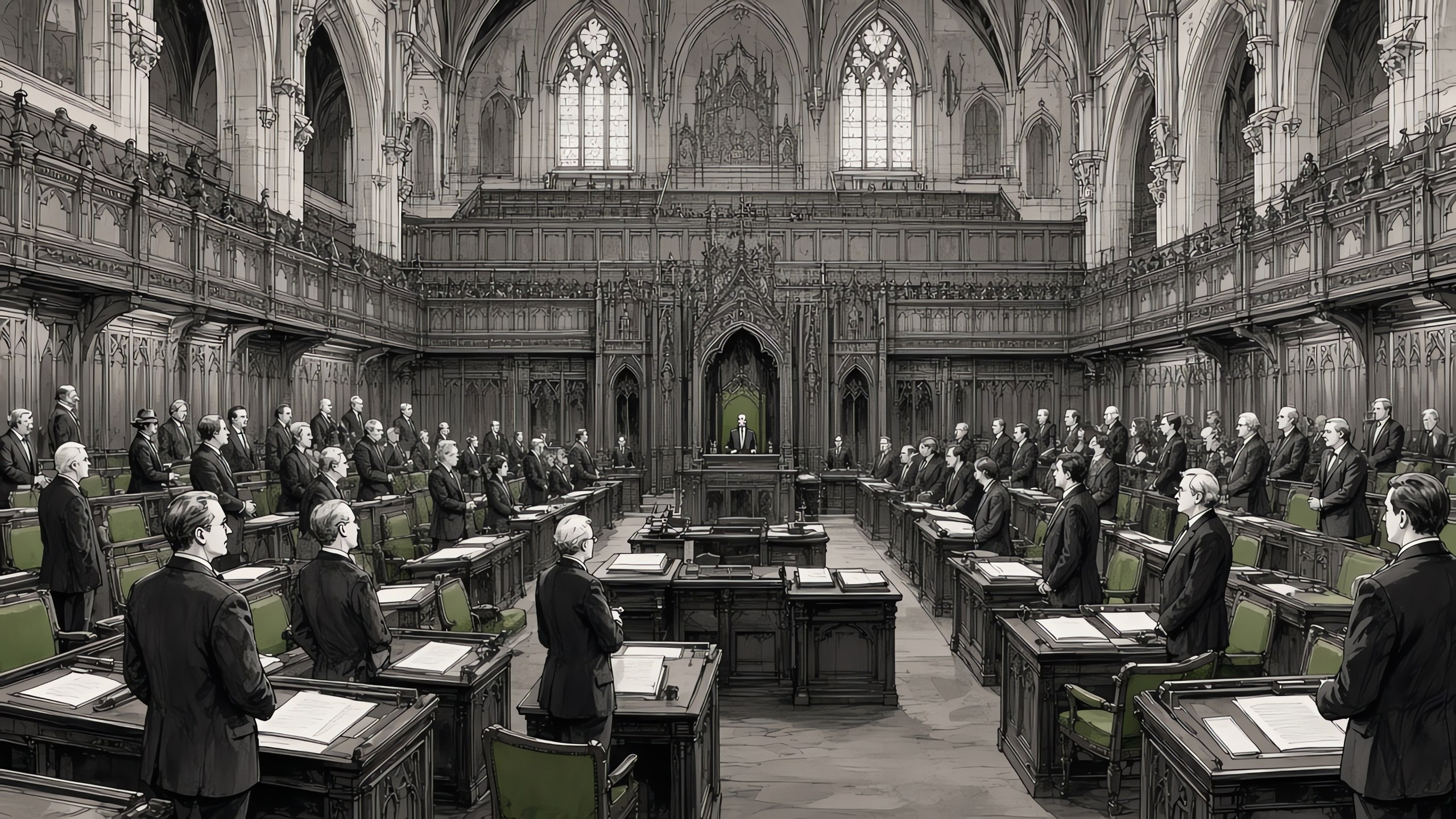
The Official Opposition (Conservative…
On November 28, 2005,…
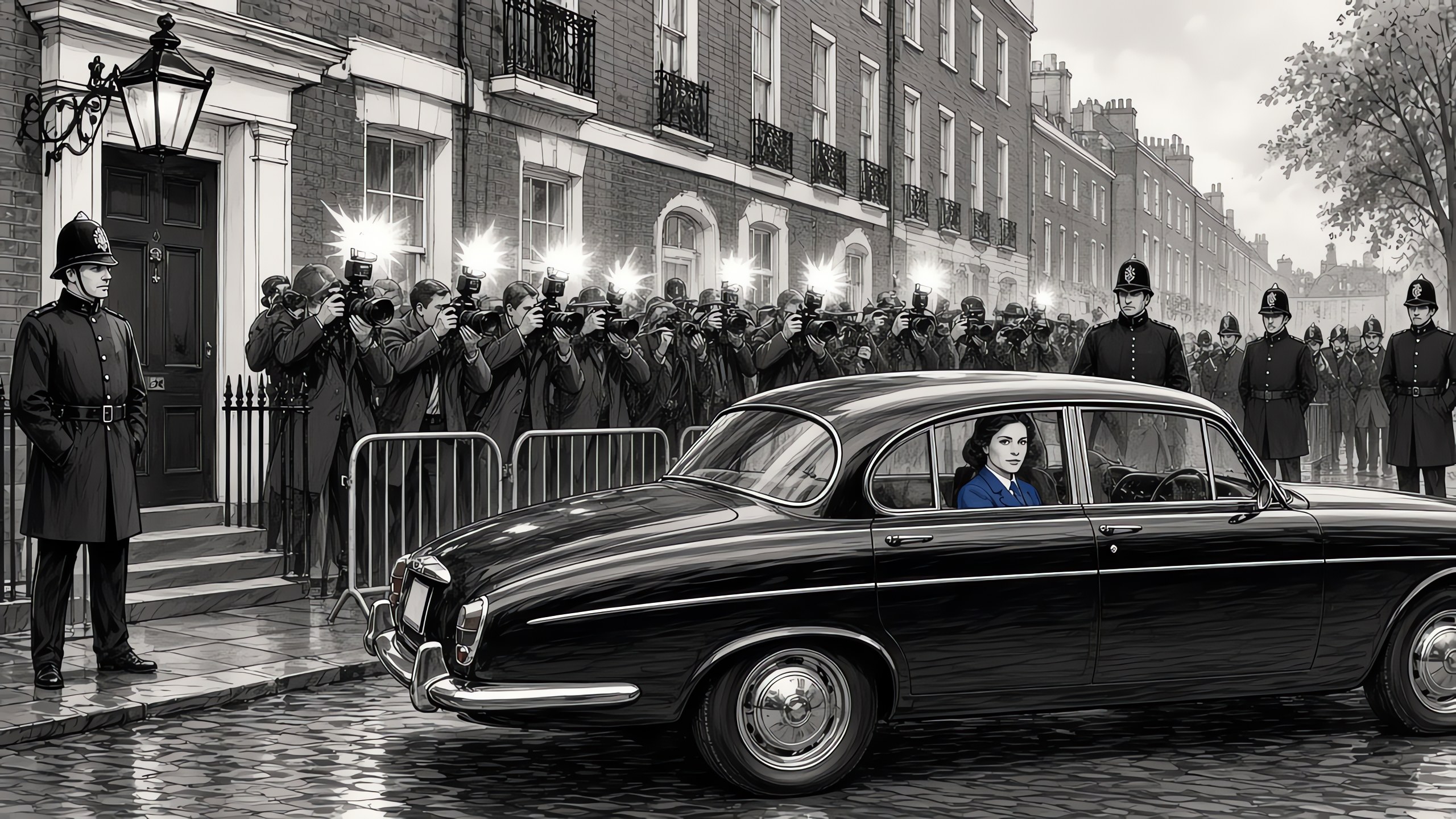
Margaret Thatcher formally tenders…
"On November 28, 1990,…
