
Flashback to April 23
World History

On April 17, 1900, a significant event took place in the history of American Samoa. It was the day when seven high chiefs of American Samoa signed the Instrument of Cession, a document that had a profound impact on the future of the island nation. This event marked a turning point in the relationship between American Samoa and the United States, and it continues to shape the cultural and political landscape of the region to this day.
The signing of the Instrument of Cession came about as a result of increasing international interest in the Pacific region during the late 19th and early 20th centuries. In particular, the United States was looking to expand its influence in the Pacific and establish a strategic foothold in the region. American Samoa, with its strategic location and abundant natural resources, presented an attractive opportunity for the United States.
The Instrument of Cession was a document that effectively transferred the sovereignty of American Samoa from the local chiefs to the United States. It stipulated that the United States would take responsibility for the governance and protection of American Samoa, while respecting the cultural traditions and autonomy of the Samoan people. The seven high chiefs who signed the document were paramount in ensuring the future prosperity and stability of their nation.
The signing of the Instrument of Cession was not without controversy. There were concerns among some Samoans about the potential loss of their cultural identity and autonomy. However, the high chiefs who signed the document believed that aligning with the United States would provide much-needed protection and economic opportunities for their people. They saw the agreement as a way to ensure the survival of Samoan culture and traditions in an increasingly globalized world.
Over the years, the relationship between American Samoa and the United States has evolved. American Samoa is now an unincorporated territory of the United States, with its own unique political and legal system. The Instrument of Cession continues to serve as the foundation of this relationship, guaranteeing the rights and autonomy of the Samoan people while benefiting from the support and resources of the United States.
One of the significant impacts of the signing of the Instrument of Cession was the increased presence of the United States military in American Samoa. The United States Navy established a naval station in Pago Pago, which has been an important strategic location in the Pacific. The naval station has brought economic benefits to the region, providing jobs and infrastructure development.
Another key impact of the agreement has been the preservation and promotion of Samoan culture. Despite being under the influence of American governance, Samoan cultural traditions remain strong in American Samoa. The local government has taken steps to protect and promote Samoan language, dance, music, and other forms of cultural expression. This commitment to cultural preservation has helped to maintain a strong sense of identity among the Samoan people.
The signing of the Instrument of Cession on April 17, 1900, was undoubtedly a pivotal moment in the history of American Samoa. It set the stage for the relationship between the Samoan people and the United States, and it continues to shape the cultural and political landscape of the region today. While there were concerns and controversies surrounding the agreement, the high chiefs who signed the document believed they were securing a prosperous future for their people. American Samoa remains a unique and culturally rich part of the United States, and its story is a testament to the power of diplomacy and collaboration in shaping the course of history.
We strive for accuracy. If you see something that doesn't look right, click here to contact us!
 Contact Us
Sponsored Content
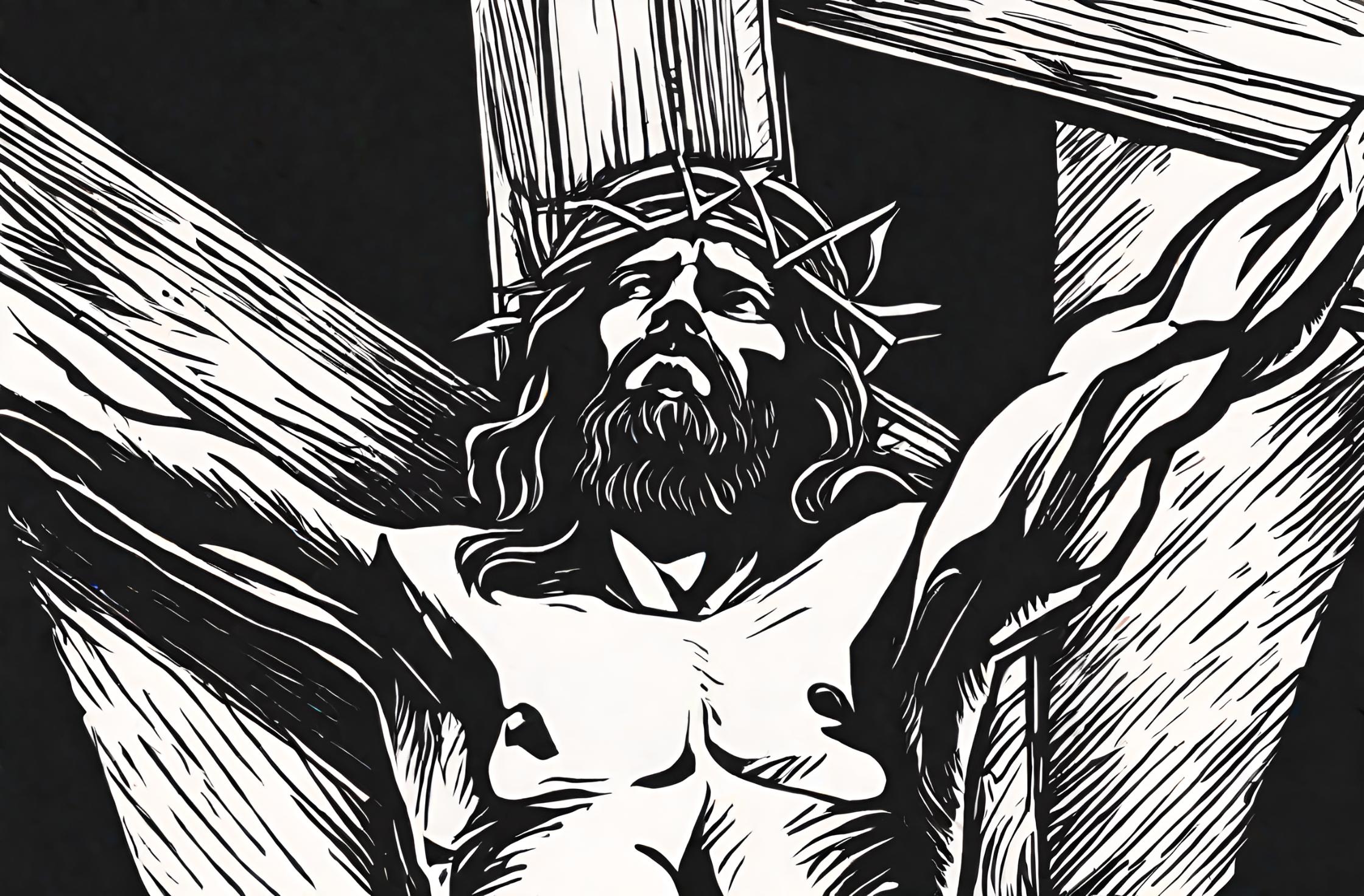
Jesus Christ crucified (according…
On 4/23/34, Isaac Newton's…
First English order of…
On April 23, 1348,…
Queen Victoria and Napoleon…
On April 23, 1867,…
Battle of Clontarf: Brian…
On 4/23/1014, the Battle…
British and US offensive…
The British and US…
Army shoots to death…
On 4/23/1994, a tragic…
