
Flashback to November 25
World History
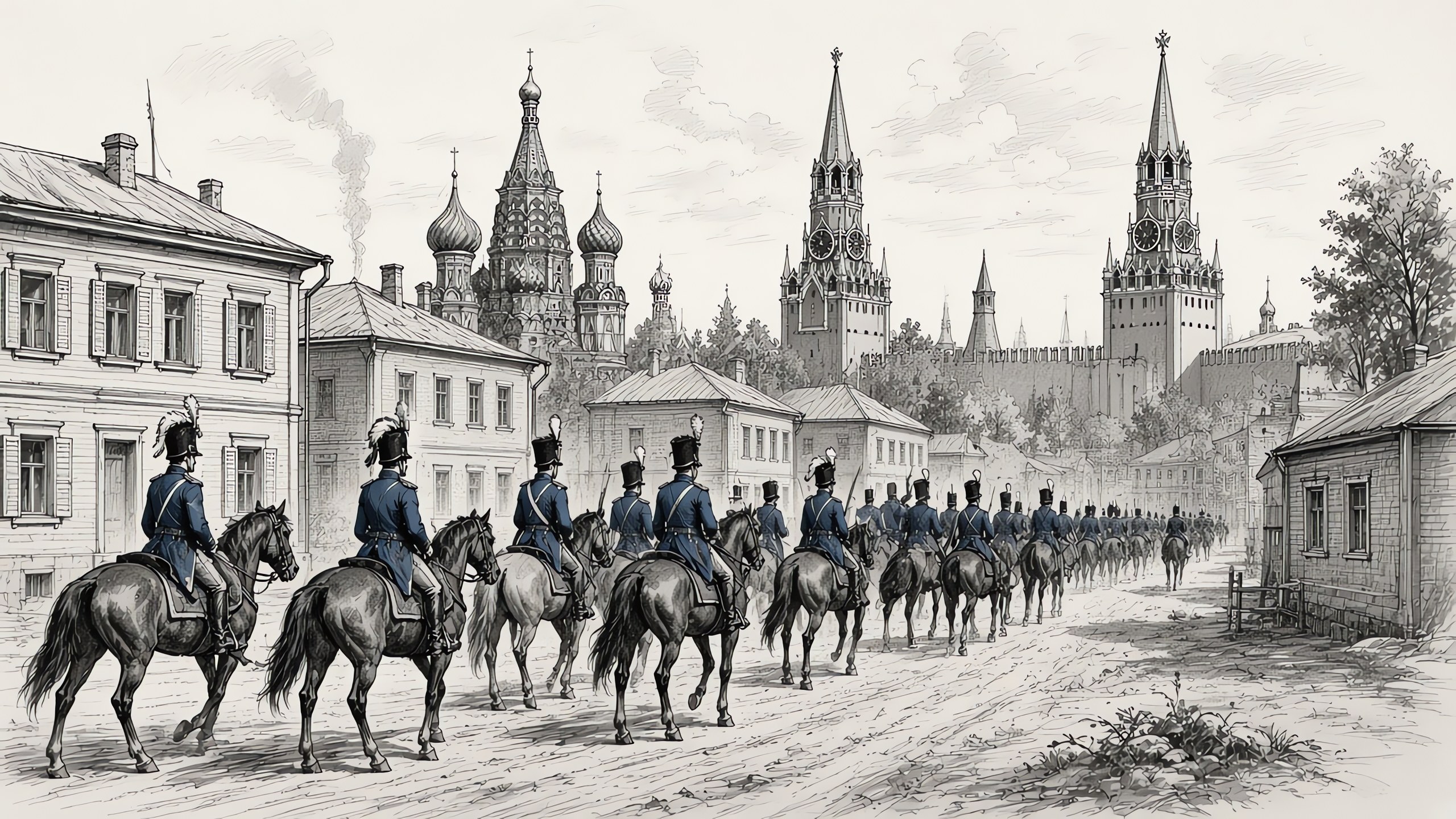
On September 14, 1812, the first troops of Napoleon’s Grande Armée entered Moscow. Napoleon had expected the capture of Russia’s ancient capital to end his campaign in triumph. Instead he found the city nearly empty, and within hours fires began to break out.
Napoleon had invaded Russia in June 1812 with the largest army Europe had ever seen, more than 400,000 men in the main force. The Russian armies retreated deep into the country, avoiding a decisive battle while disease, heat and desertion wore down the invaders.
On September 7 the two sides finally fought a great battle at Borodino, about 70 miles west of Moscow. It was one of the bloodiest single days of the Napoleonic Wars, with tens of thousands killed and wounded on each side. The Russians withdrew in good order, leaving the French masters of the field but not of the war.
On September 13 the Russian commander, Field Marshal Mikhail Kutuzov, held a council of war at the village of Fili outside Moscow. He decided to give up the city without a fight in order to save his army, arguing that losing Moscow did not mean losing Russia.
The governor of Moscow, Count Fyodor Rostopchin, had already begun evacuating the city. Most of its roughly 250,000 residents fled, along with officials, records and many religious treasures. Rostopchin also had the fire pumps taken away.
Napoleon waited on the Poklonnaya Hill west of the city for a delegation of leading citizens to come out and offer him the keys, as had happened in other European capitals. No one came. His advance guard under Marshal Joachim Murat rode in during the afternoon, while the last Russian troops slipped out on the other side.
That night the first fires were seen. Napoleon moved into the Kremlin on September 15, but the flames spread quickly through the mostly wooden city, driven by strong winds. For several days the fire raged, and Napoleon was forced to leave the Kremlin for a time. By the time it died down around September 18, much of Moscow had been destroyed. Historians still debate how much of the fire was deliberately set on Rostopchin’s orders.
Napoleon stayed in the ruined city for more than a month, waiting for Tsar Alexander I to make peace. The tsar refused even to reply to his letters.
On October 19 the French began to leave Moscow. The long retreat that followed, through hunger, Russian attacks and a bitter winter, destroyed the Grande Armée and marked the beginning of the end of Napoleon’s empire.
We strive for accuracy. If you see something that doesn't look right, click here to contact us!
 Contact Us
Sponsored Content
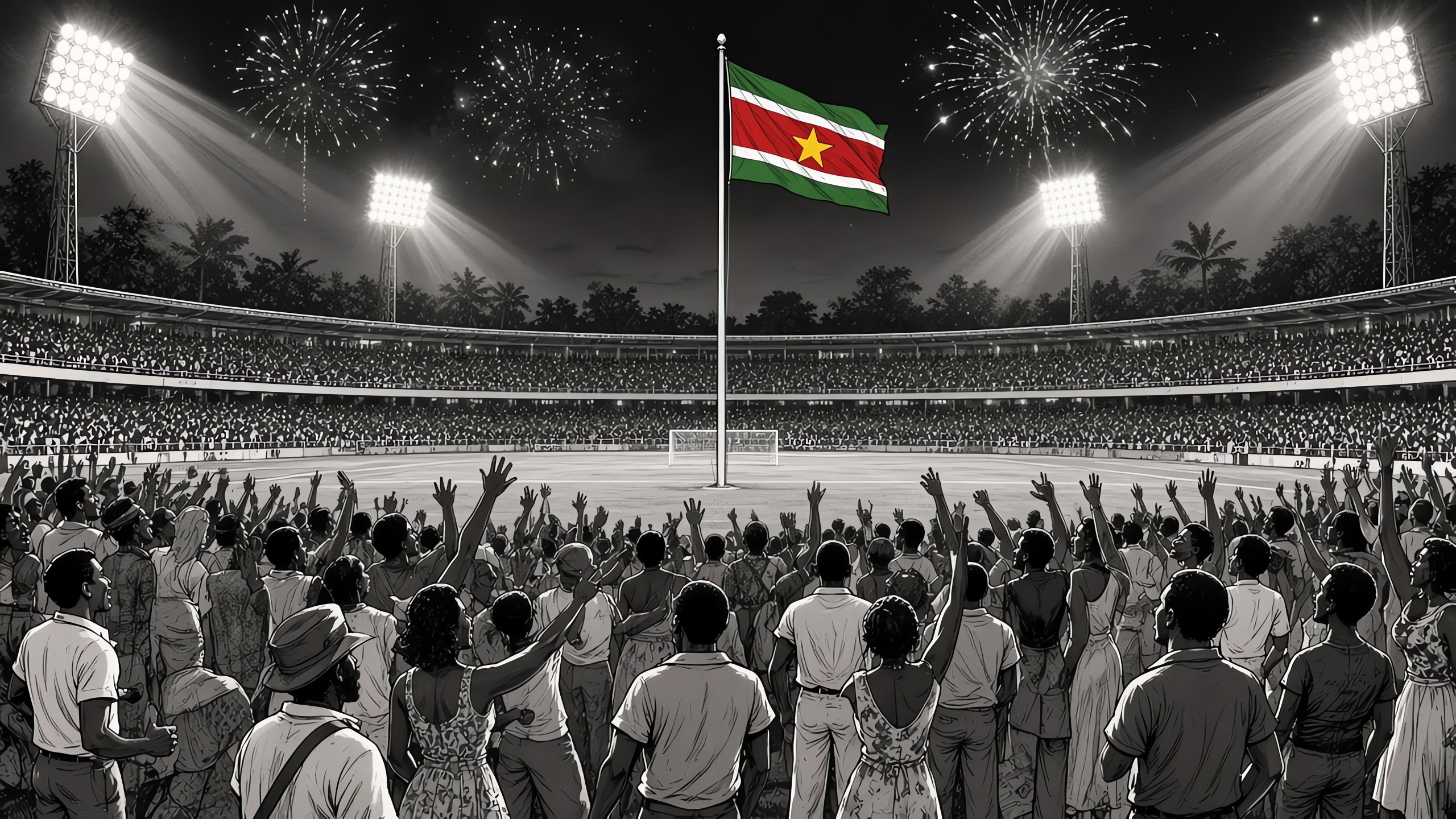
Suriname gains independence from…
On November 25, 1975,…
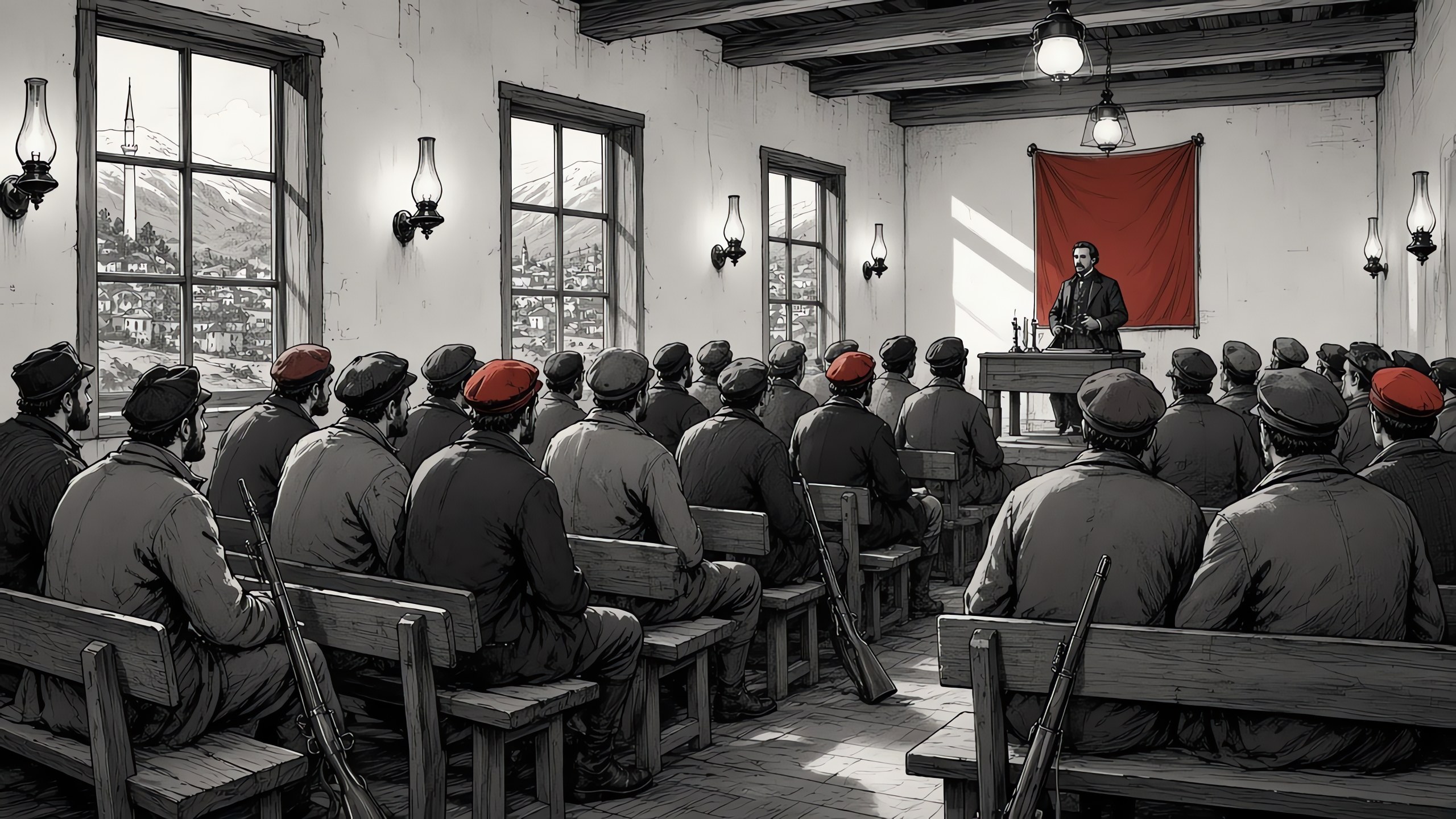
Statehood of Bosnia and…
The historical event on…
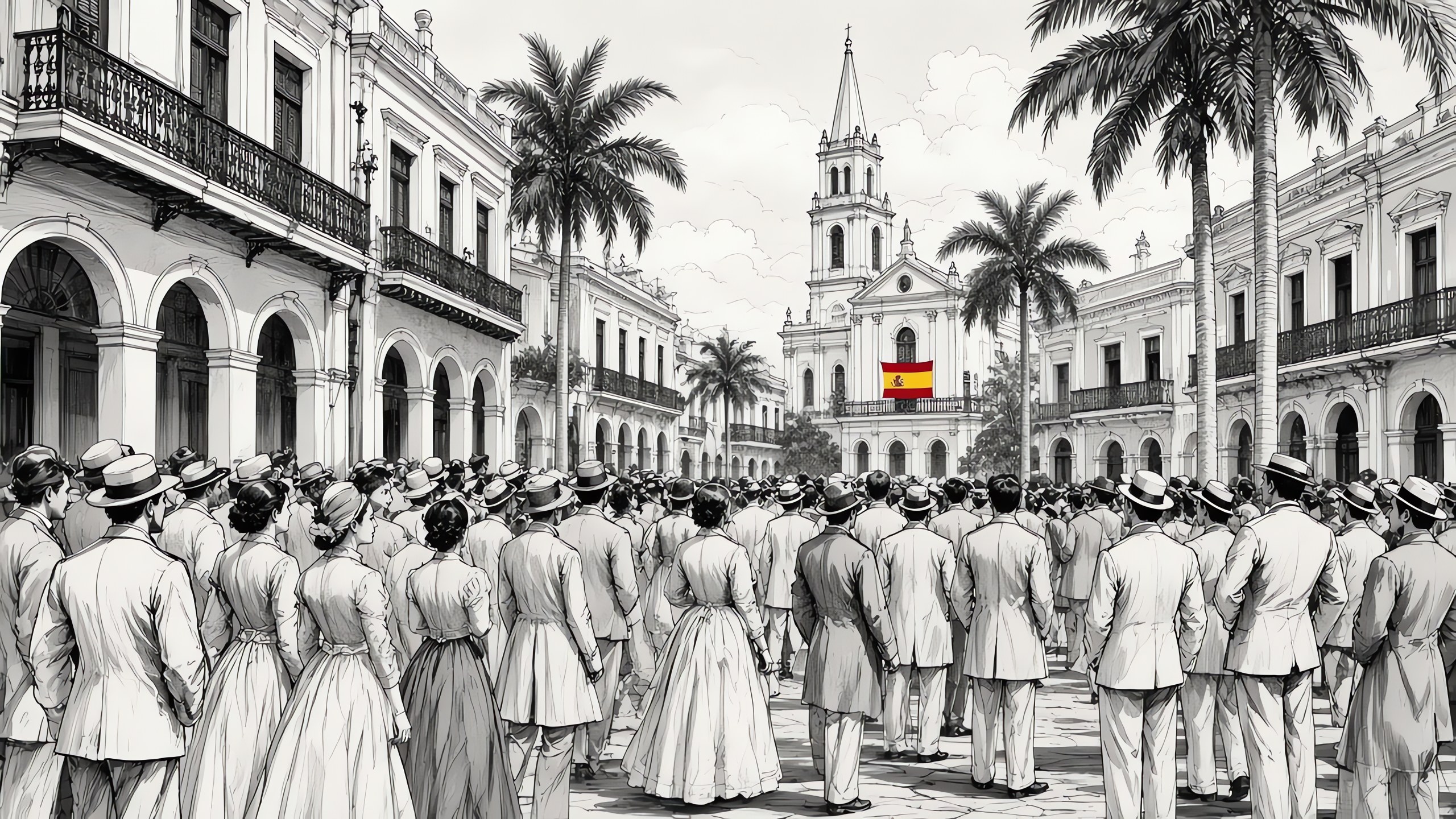
Spain grants Puerto Rico…
"Spain granted Puerto Rico…
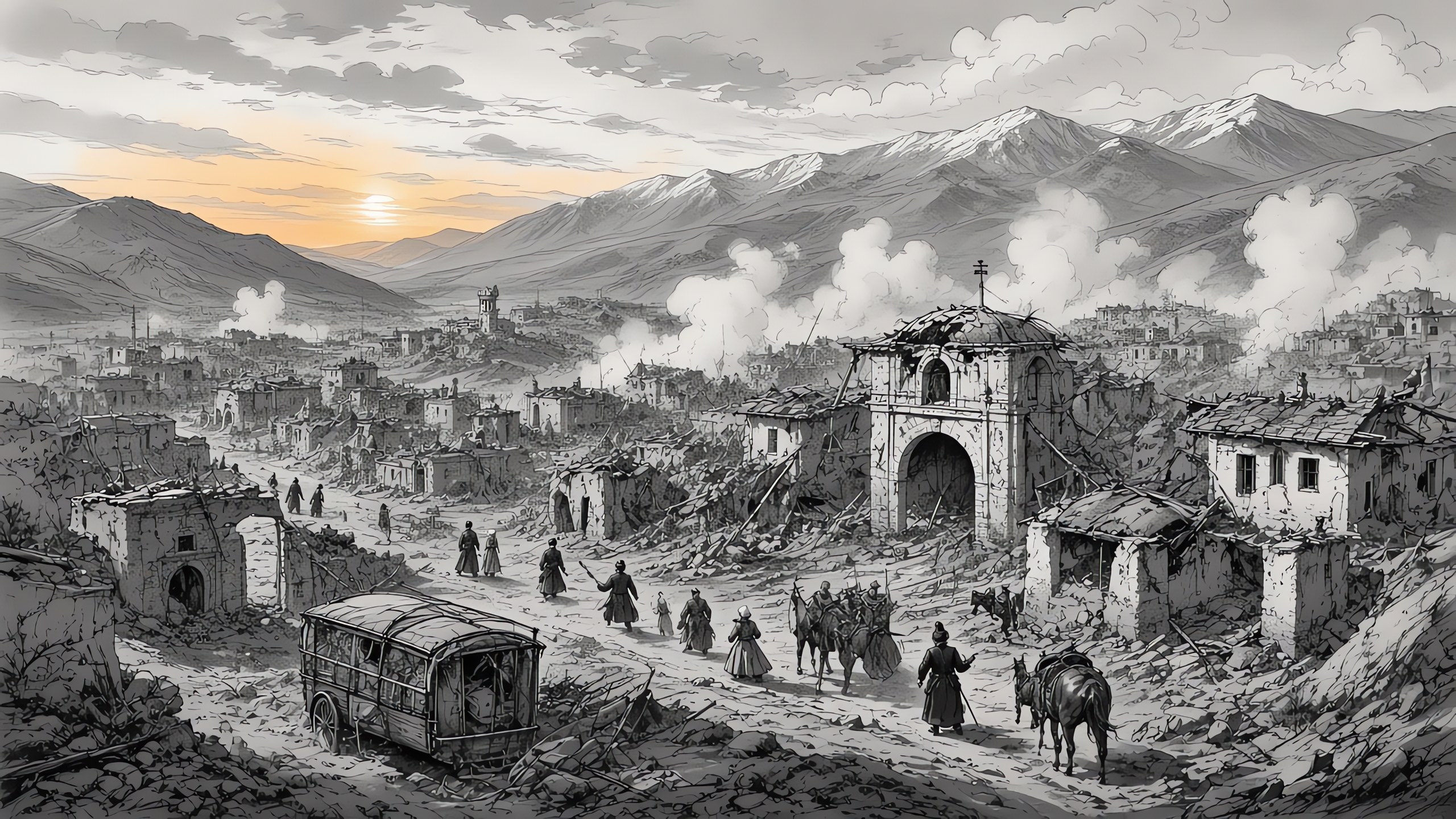
A deadly earthquake rocks…
The devastating 1667 Shemakha…
The Mirabal sisters are…
On November 25, 1960,…
Einstein presents the field…
On November 25, 1915,…
