
Flashback to November 26
World History
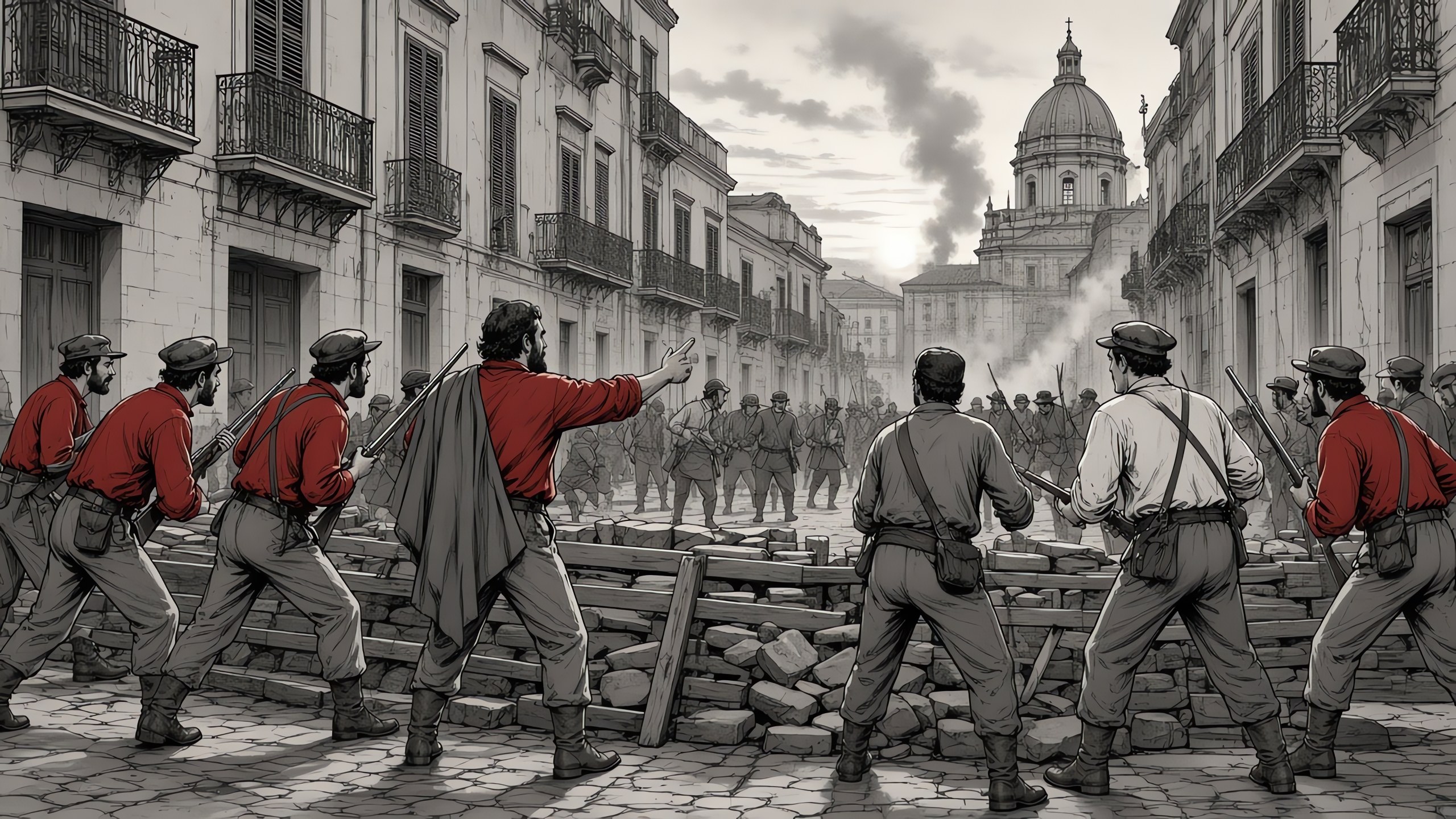
On May 27, 1860, Giuseppe Garibaldi led a small force of volunteers into Palermo, the capital of Sicily. Outnumbered many times over by the city’s Bourbon garrison, his Redshirts and the Sicilian rebels who joined them won control of Palermo after three days of fighting, one of the most remarkable episodes of the Italian unification.
In 1860 Sicily belonged to the Kingdom of the Two Sicilies, ruled from Naples by the Bourbon king Francis II. An uprising had broken out in Palermo in April and been put down, but unrest continued in the countryside, and Italian nationalists saw a chance to spread the revolt.
Garibaldi, already famous for his campaigns in South America and in the defense of Rome in 1849, gathered about a thousand volunteers near Genoa. They sailed on two steamers in early May and landed at Marsala, on Sicily’s western tip, on May 11. Most wore the red shirts that became the symbol of the expedition.
Moving inland, Garibaldi declared that he was taking power in Sicily in the name of King Victor Emmanuel II of Sardinia. On May 15, at Calatafimi, his men defeated a stronger Bourbon force in a hard fight that gave the expedition momentum and drew Sicilian volunteers to his side.
Palermo was a far greater challenge. The city was held by a garrison of roughly 18,000 to 22,000 soldiers under General Ferdinando Lanza, while Garibaldi had perhaps 750 Redshirts fit to fight, along with a few thousand Sicilian irregulars. Rather than attack head on, he led his men through the mountains and entered the city from the southeast at dawn on May 27.
The attack was a gamble that paid off. As the volunteers pushed into the streets, many of Palermo’s residents rose to support them, building barricades and joining the fighting. Lanza ordered the city bombarded, and hundreds of civilians were killed, but by May 28 Garibaldi controlled much of Palermo.
Even so, his position was fragile. His men were running short of ammunition, and fresh Bourbon troops were nearby. But Lanza agreed to a truce on May 30, arranged with the help of a British admiral in the harbor, and a convention on June 6 provided for the Bourbon army to leave the city by sea.
The fall of Palermo changed the course of Italian history. Garibaldi went on to win the rest of Sicily, crossed to the mainland in August and entered Naples in September. The Bourbon kingdom collapsed, and its territory was joined to the new Kingdom of Italy, proclaimed on March 17, 1861.
The capture of Palermo remains a central story of the Risorgimento, the movement that unified Italy, and Garibaldi’s march with his thousand volunteers made him a hero across Europe and the Americas.
We strive for accuracy. If you see something that doesn't look right, click here to contact us!
 Contact Us
Sponsored Content
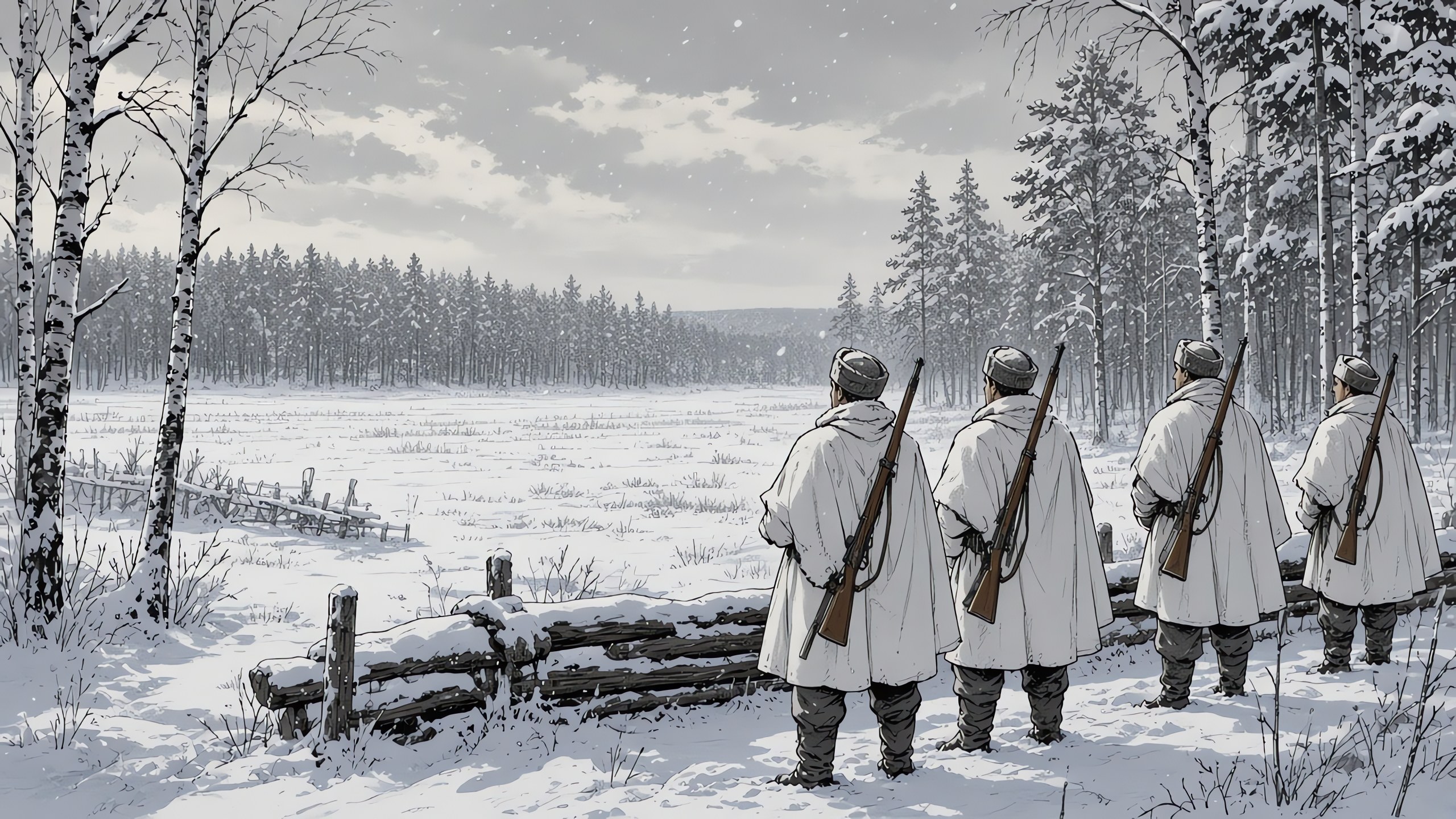
The Mainila shelling gives…
On November 26, 1939,…
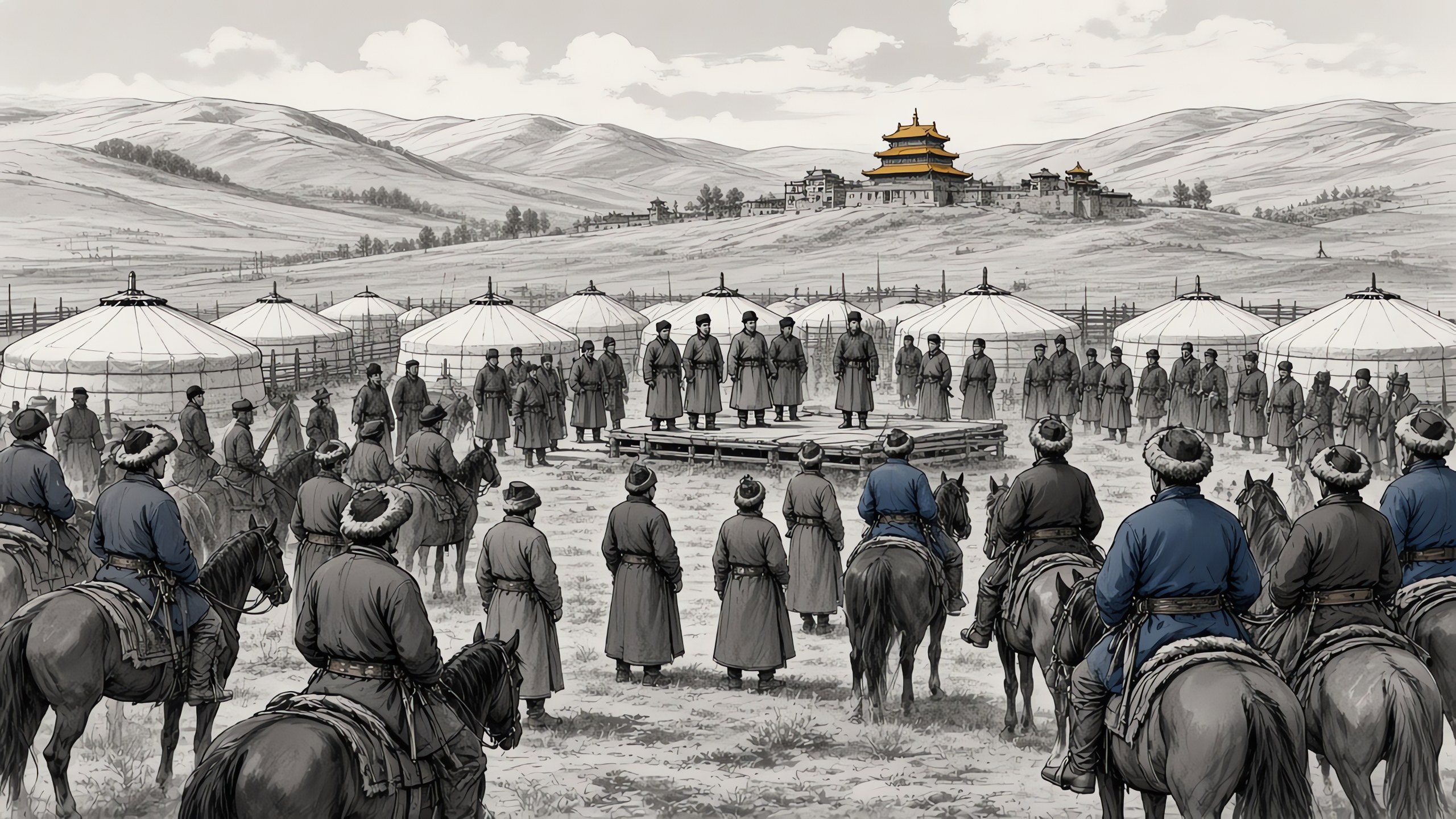
Mongolian People’s Republic proclaimed.
Celebrating the pivotal turning…
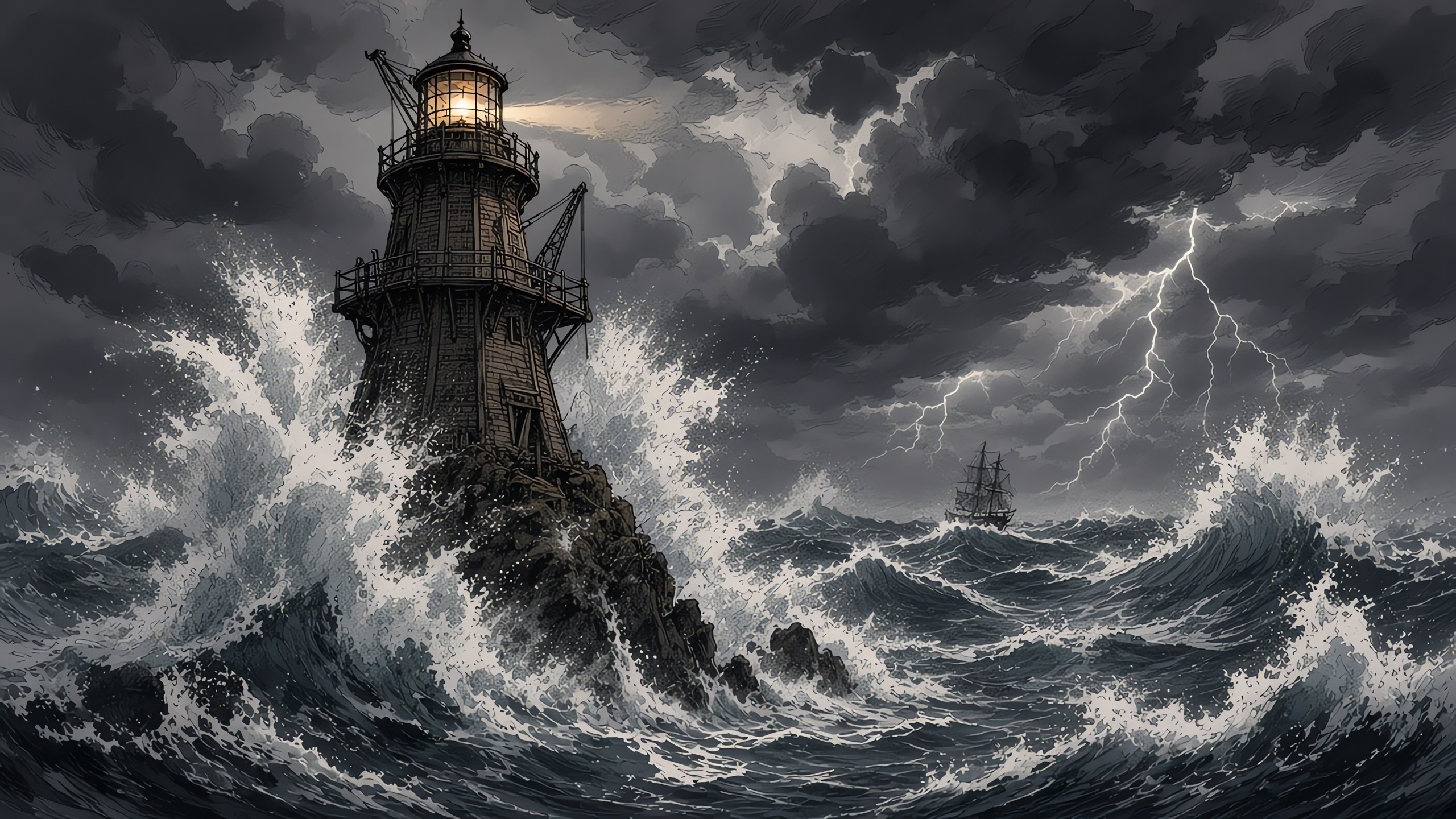
A severe storm destroys…
On November 26, 1703,…
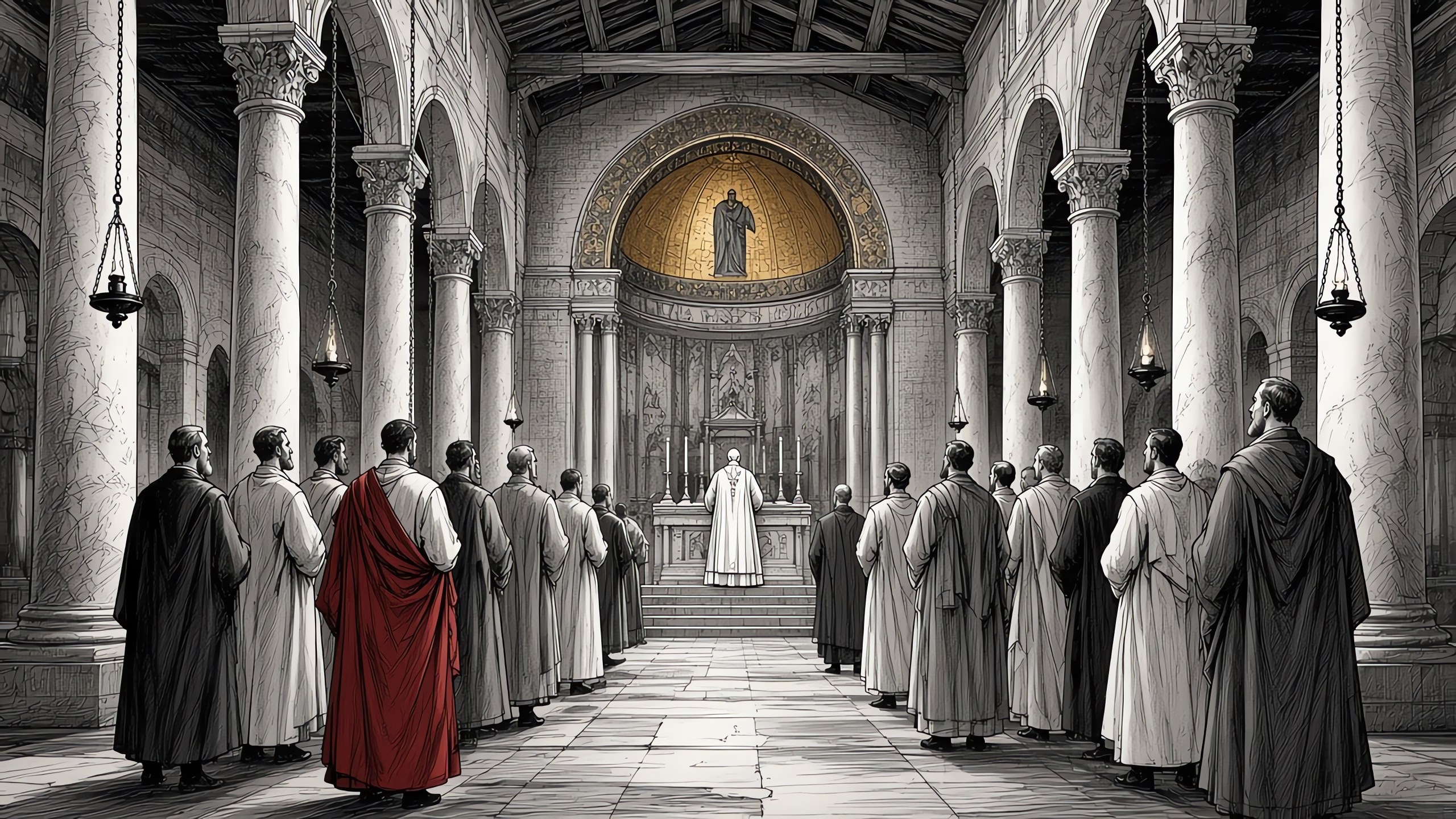
Pelagius II begins his…
"Pelagius II, an influential…
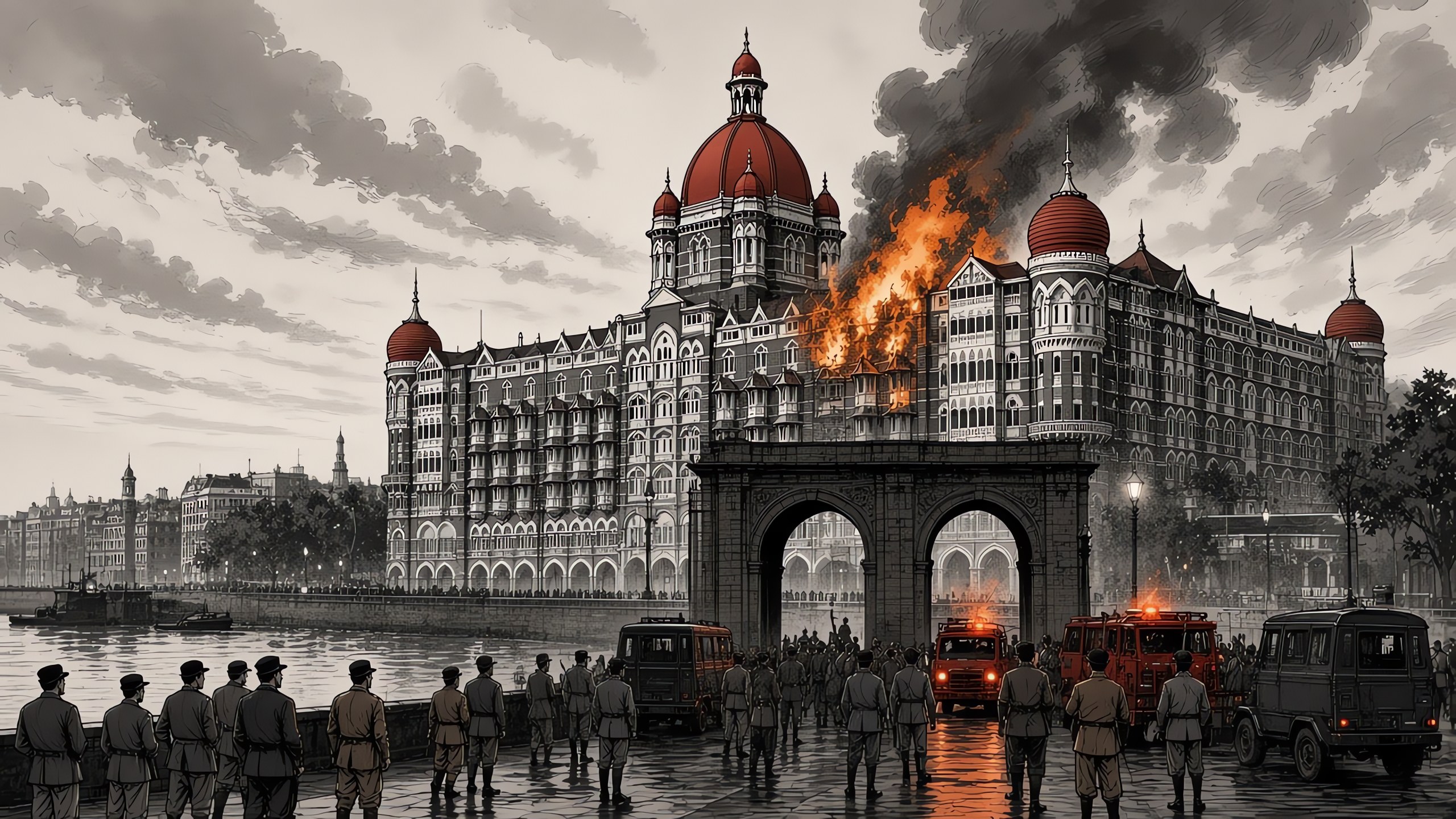
Terrorists launch coordinated attacks…
On the night of…
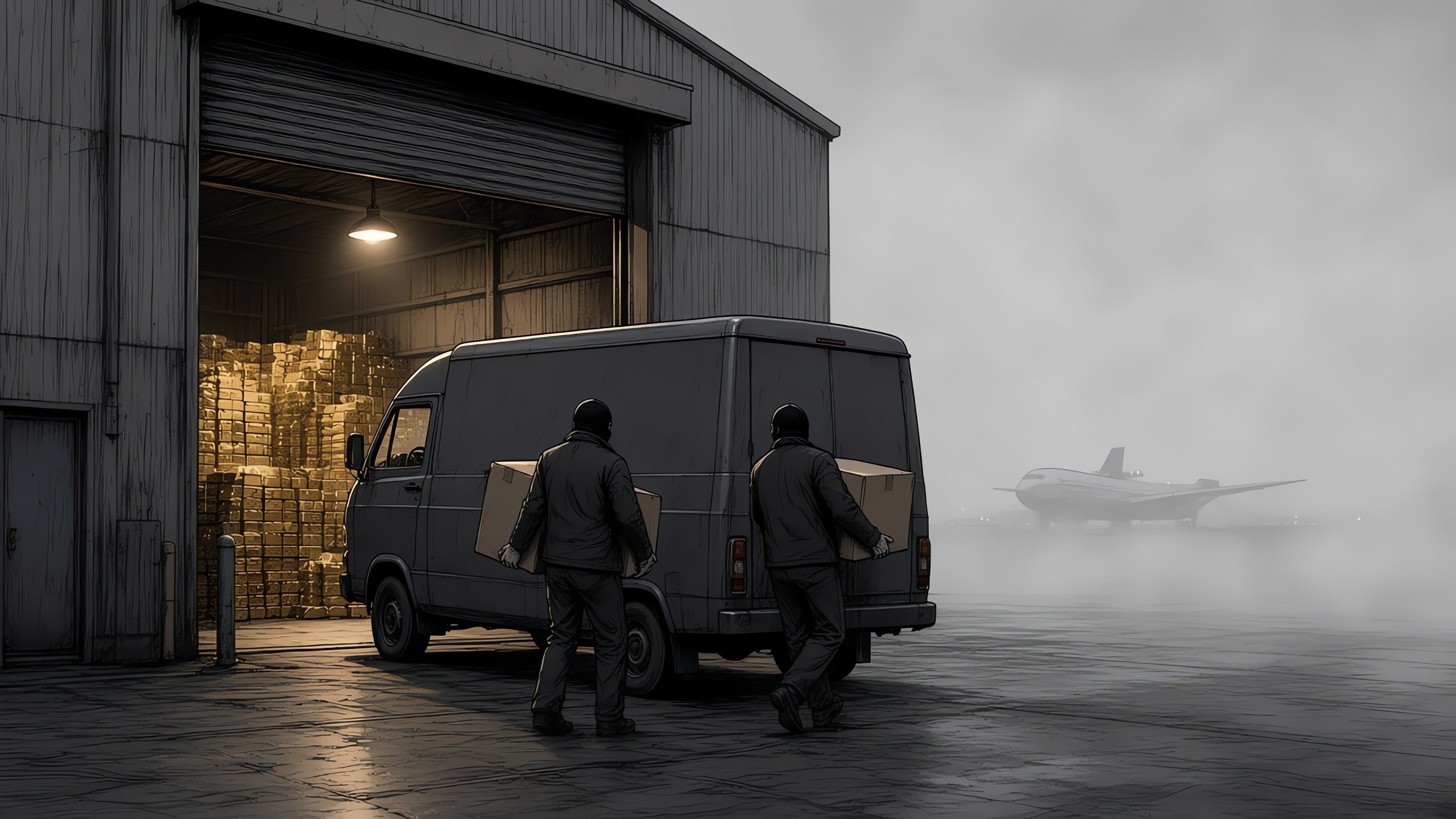
Robbers steal £26 million…
On November 26, 1983,…
