
Flashback to November 26
World History
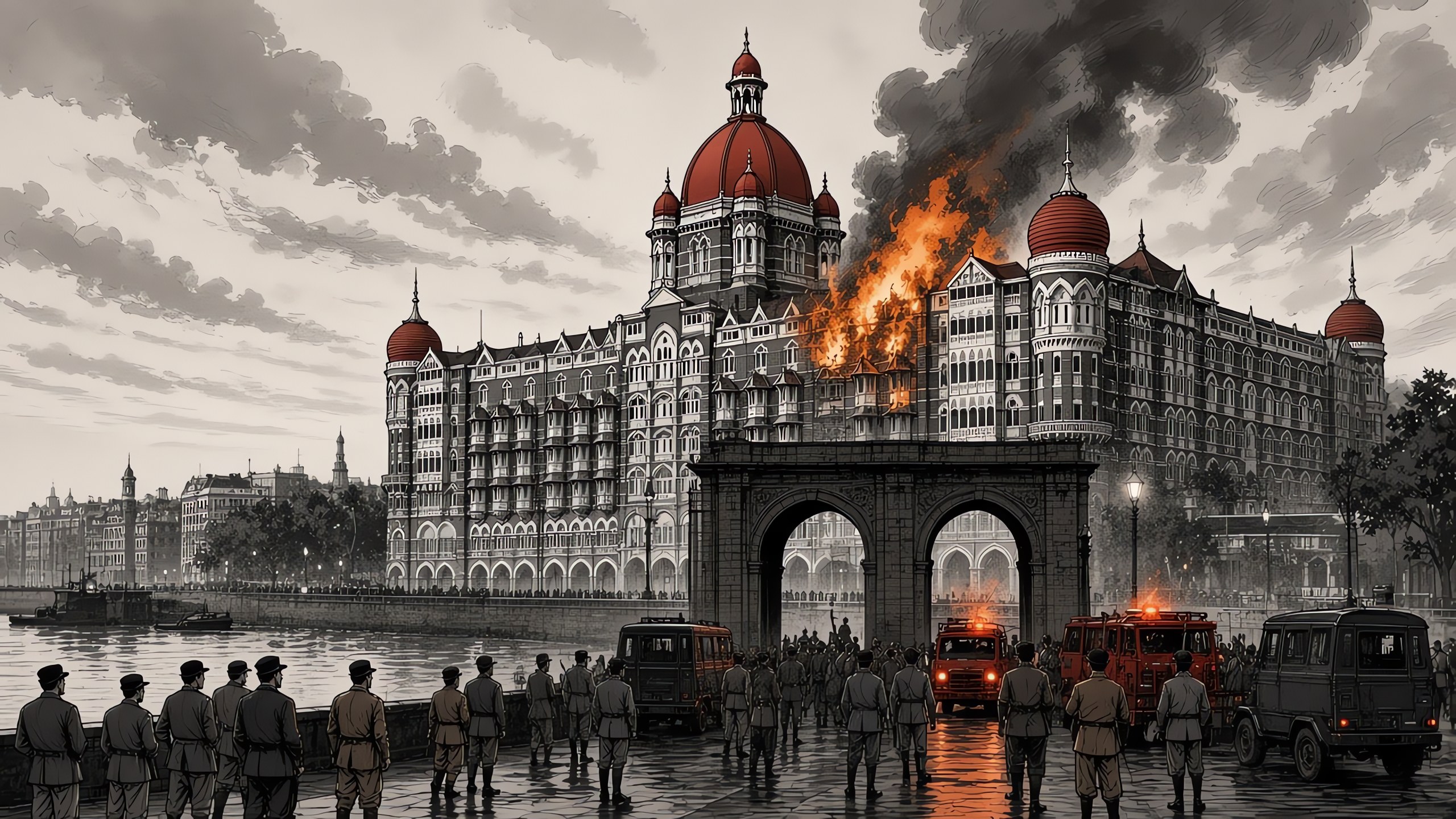
On the evening of November 26, 2008, ten gunmen came ashore in inflatable boats on the southern tip of Mumbai, India’s largest city and financial capital. Over the next four days they attacked a railway station, two luxury hotels, a cafe, a hospital and a Jewish community center. The attacks killed 166 people and wounded more than 300, and in India they are remembered simply as 26/11.
The attackers belonged to Lashkar-e-Taiba, a militant group based in Pakistan. They had left Karachi by sea, hijacked an Indian fishing trawler on the way and killed its captain, then made the last stretch of the journey in dinghies, landing near the Colaba district. Armed with assault rifles and grenades, they split into small teams.
At about 9:30 that night, two of the gunmen opened fire in the crowded main hall of Chhatrapati Shivaji Terminus, one of the busiest railway stations in the world, killing dozens of travelers. Others struck the Leopold Cafe, a popular restaurant with foreign tourists, and Cama Hospital. Bombs left in taxis exploded in other parts of the city.
Other teams entered the Taj Mahal Palace hotel, a landmark that faces the harbor near the Gateway of India, and the Oberoi-Trident hotel complex at Nariman Point. Two more took over Nariman House, a center run by the Jewish outreach movement Chabad, where the rabbi Gavriel Holtzberg and his wife Rivka were among those killed. Gunmen held hostages, set fires and fought with police inside the buildings.
Among the dead in the first hours were Hemant Karkare, the head of Mumbai’s anti-terrorism squad, and senior officers Ashok Kamte and Vijay Salaskar, who were shot while pursuing the attackers from the railway station. Later that night police captured one of the two station gunmen, Mohammed Ajmal Kasab, alive. A constable, Tukaram Omble, was killed grabbing his rifle.
Commandos of India’s National Security Guard were flown in to clear the hotels and Nariman House. The fighting went on for nearly three days, while television stations broadcast images of smoke pouring from the Taj’s famous dome. The last attackers were killed at the Taj on the morning of November 29.
Kasab’s confession and later investigations, including the case of the Pakistani-American David Headley, who had scouted the targets, tied the plot to Lashkar-e-Taiba and its handlers in Pakistan. Kasab was convicted in 2010 and hanged in 2012. The attacks badly damaged relations between India and Pakistan.
India responded by creating a National Investigation Agency for terrorism cases and by strengthening coastal security and police commando units. The Taj reopened within weeks, and memorials at the hotel and the railway station now honor the people who died in the attacks.
We strive for accuracy. If you see something that doesn't look right, click here to contact us!
 Contact Us
Sponsored Content
The Mainila shelling gives…
On November 26, 1939,…
Mongolian People’s Republic proclaimed.
Celebrating the pivotal turning…
A severe storm destroys…
On November 26, 1703,…
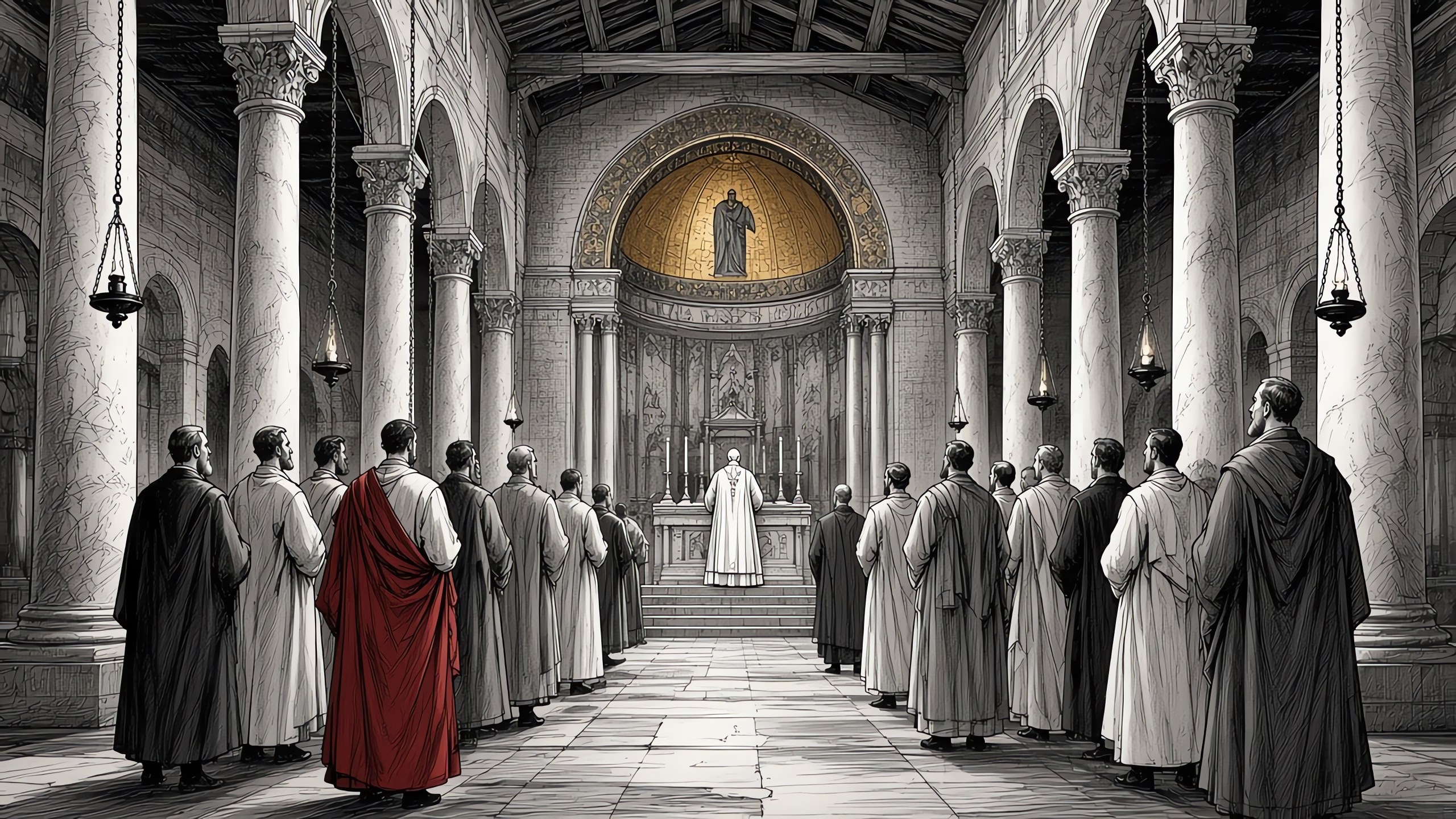
Pelagius II begins his…
"Pelagius II, an influential…
Terrorists launch coordinated attacks…
On the night of…
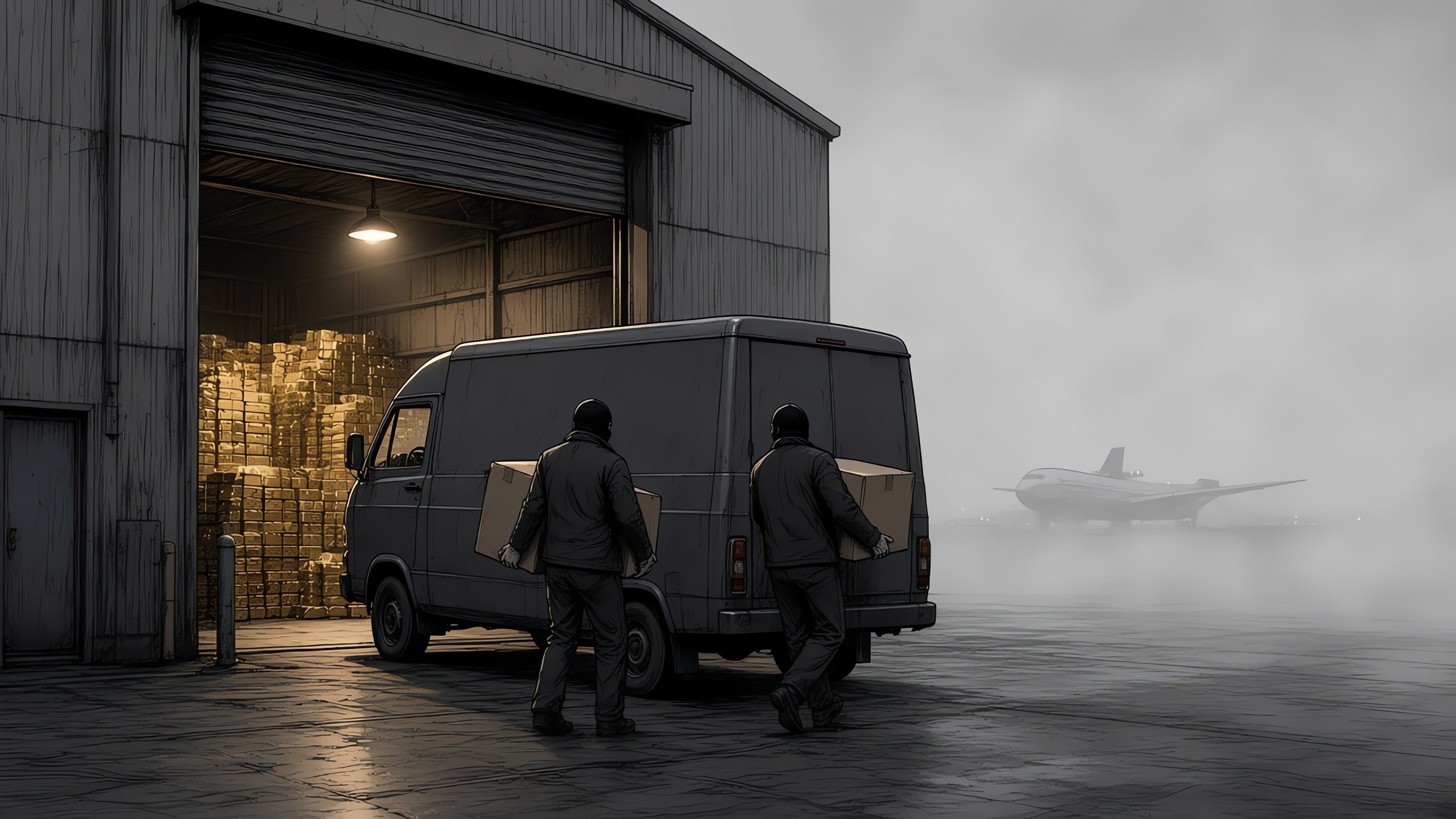
Robbers steal £26 million…
On November 26, 1983,…
