
Flashback to June 6
World History

Dr. Carl Gustav Jung, a renowned Swiss psychiatrist, passed away on June 6, 1961, at the age of 85. This event marked the end of an era for the field of psychology, as Jung’s contributions and theories revolutionized the way we understand the human mind. In this article, we will explore Dr. Carl Jung’s life and work, his impact on psychology, and his lasting legacy.
Born on July 26, 1875, in Kesswil, Switzerland, Carl Jung developed a fascination with the human mind at a young age. He pursued a career in medicine and eventually specialized in psychiatry. His extensive research and groundbreaking theories had a profound influence on the field of psychology, particularly in the areas of dream analysis, collective unconscious, and personality types.
One of Jung’s most notable contributions was his exploration of the unconscious mind. He believed that the human psyche is comprised of both the conscious and unconscious aspects, and that the latter holds immense power in shaping our thoughts, emotions, and behaviors. His concept of the collective unconscious, a reservoir of shared experiences and symbols inherited from our ancestors, provided a new perspective on the human psyche’s universal aspects.
Dream analysis was another significant focus of Jung’s work. He believed that dreams hold valuable insights into one’s unconscious mind and can unveil hidden layers of the self. Jung developed a technique called active imagination, where individuals engage in a dialogue with their dreams, symbols, and fantasies to gain self-insight and promote personal growth.
Another area in which Jung made a lasting impact was his theory of personality types, particularly with the concept of introversion and extraversion. He suggested that individuals fall into one of these two categories based on their preferred orientation towards the internal or external world. This theory has been highly influential, shaping the understanding of personality and behavior in psychology, business, and self-development.
Throughout his career, Jung also emphasized the importance of integrating one’s shadow, the unconscious parts of our personality that we may reject or deny. He believed that true self-discovery and personal growth could only be achieved through self-acceptance and understanding of these hidden aspects of our psyche.
Jung’s work was not without criticism, with some arguing that his theories lacked empirical evidence or scientific rigor. However, his ideas have continued to resonate with many individuals and have had a profound impact on various fields beyond psychology, including literature, art, and spirituality. Jung’s influence on popular culture can be seen through the widespread use of terms like “introvert” and “extrovert” and the continued interest in dream analysis and symbolism.
The death of Dr. Carl Gustav Jung marked the end of an era for psychology, taking away one of its most influential figures. However, his legacy lives on through his extensive writings, which continue to inspire and provoke thought in both the academic and general communities.
Dr. Carl Gustav Jung’s passing on June 6, 1961, was a significant loss for the field of psychology. His theories and contributions revolutionized our understanding of the human mind, and his impact can still be felt today. From his exploration of the unconscious mind to his theories on personality types, Jung left an enduring legacy that continues to shape the field of psychology and beyond.
We strive for accuracy. If you see something that doesn't look right, click here to contact us!
 Contact Us
Sponsored Content
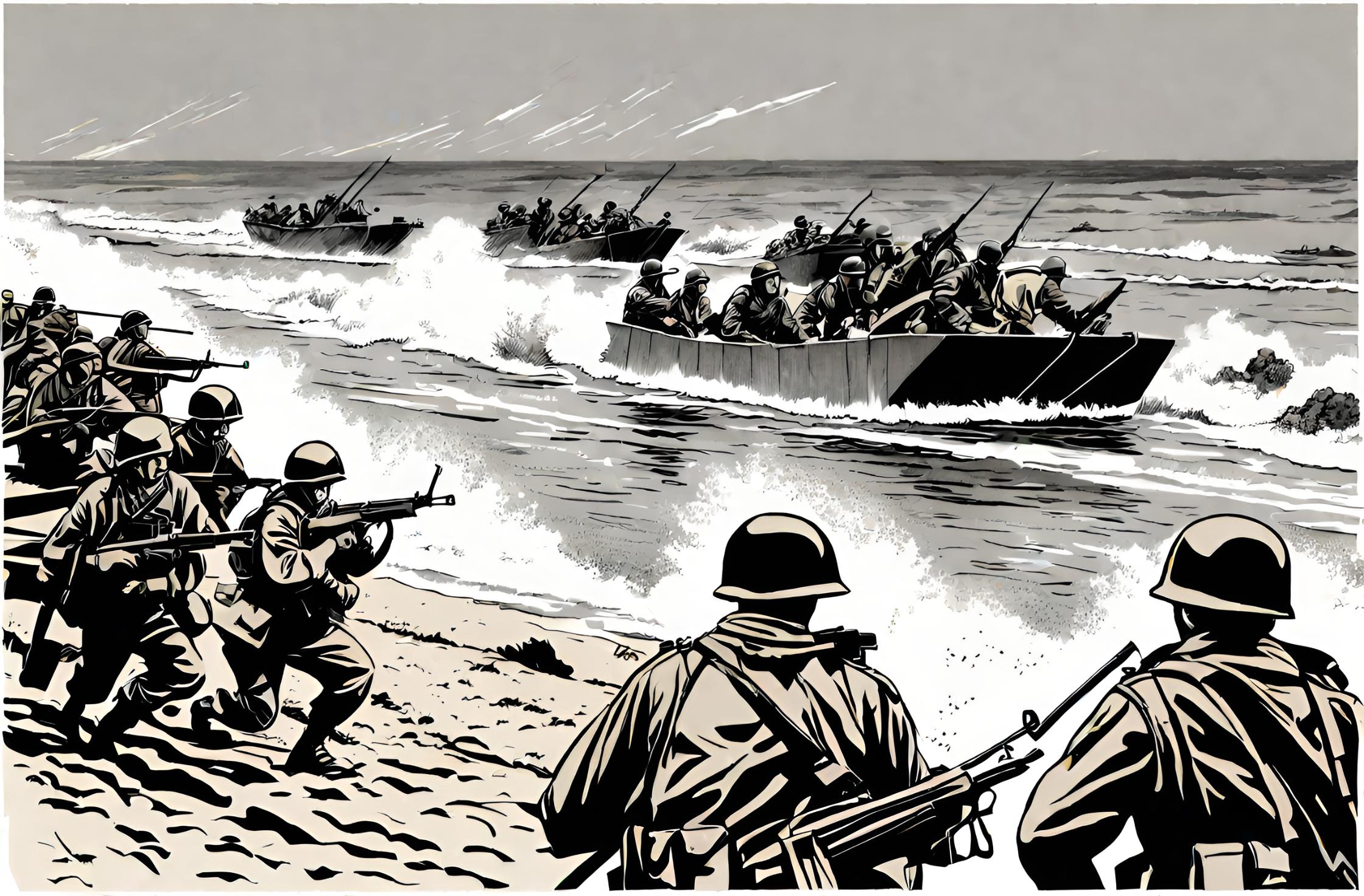
D-Day
Relive the courage and…
Dr Carl Gustav Jung,…
Dr. Carl Gustav Jung,…
Paris Metro Line 5…
On 6/6/1906, the Paris…
The Indian Army attacks…
On 6/6/1984, the Indian…
Cunard Line’s RMS Lusitania…
On June 6, 1906,…
A near-Earth asteroid estimated…
On 6/6/2002, a near-Earth…
