Flashback to May 25
World History

On April 9, 1945, a significant event took place during World War II – the sinking of the German pocket battleship Admiral Scheer. This event marked a crucial moment in the final days of the war, as the Allied forces gained another victory against the Axis powers. In this article, we will delve into the details of this historic event and its implications.
The Admiral Scheer, named after the famous German naval officer Carl Friedrich Heinrich Reinhard Scheer, was a formidable ship commissioned in 1933. It played a prominent role in various naval operations throughout the war, including the infamous Battle of the Atlantic. However, by 1945, the tide had turned against Germany, and the Allied forces were closing in on their defeat.
As the conflict neared its end, the Admiral Scheer, stationed in Kiel, Germany, became a target for the advancing Allied forces. Determined not to let it fall into enemy hands, the German naval officers decided to scuttle the battleship. On April 9, 1945, they set explosive charges to sink the Admiral Scheer.
The sinking of the Admiral Scheer had far-reaching consequences. It was a symbolic victory for the Allies, as it signaled the diminishing power and influence of the German Navy. The once mighty battleship, which had wreaked havoc on countless Allied convoys, was now lying at the bottom of the harbor.
In addition to the symbolic impact, the sinking of the Admiral Scheer also had practical implications. It removed a potential threat to the Allied forces, as the battleship had the potential to cause significant damage if it had fallen into enemy hands. Furthermore, its sinking allowed the Allied forces to proceed with their plans without the fear of the Admiral Scheer disrupting their operations.
The sinking of the Admiral Scheer also highlighted the changing dynamics of warfare. As naval technology advanced, traditional battleships like the Admiral Scheer were becoming increasingly vulnerable to aerial attacks. The Allies had achieved air superiority over the German forces, which made it difficult for the battleship to operate effectively. This event reinforced the importance of air power in modern warfare.
To this day, the sinking of the Admiral Scheer serves as a reminder of the sacrifices made by both the Allied and Axis forces during World War II. It highlights the challenges faced by naval officers and the ever-evolving nature of warfare. The event is an important chapter in the history of naval warfare and the ultimate Allied victory over the Axis powers.
the sinking of the German pocket battleship Admiral Scheer on April 9, 1945, was a significant event during World War II. It represented a symbolic and practical achievement for the Allies, as it marked the diminishing power of the German Navy and removed a potential threat. This event also showcased the changing dynamics of warfare, emphasizing the importance of air power. The sinking of the Admiral Scheer continues to hold historical significance and serves as a testament to the sacrifices made during the war.
We strive for accuracy. If you see something that doesn't look right, click here to contact us!
 Contact Us
Sponsored Content
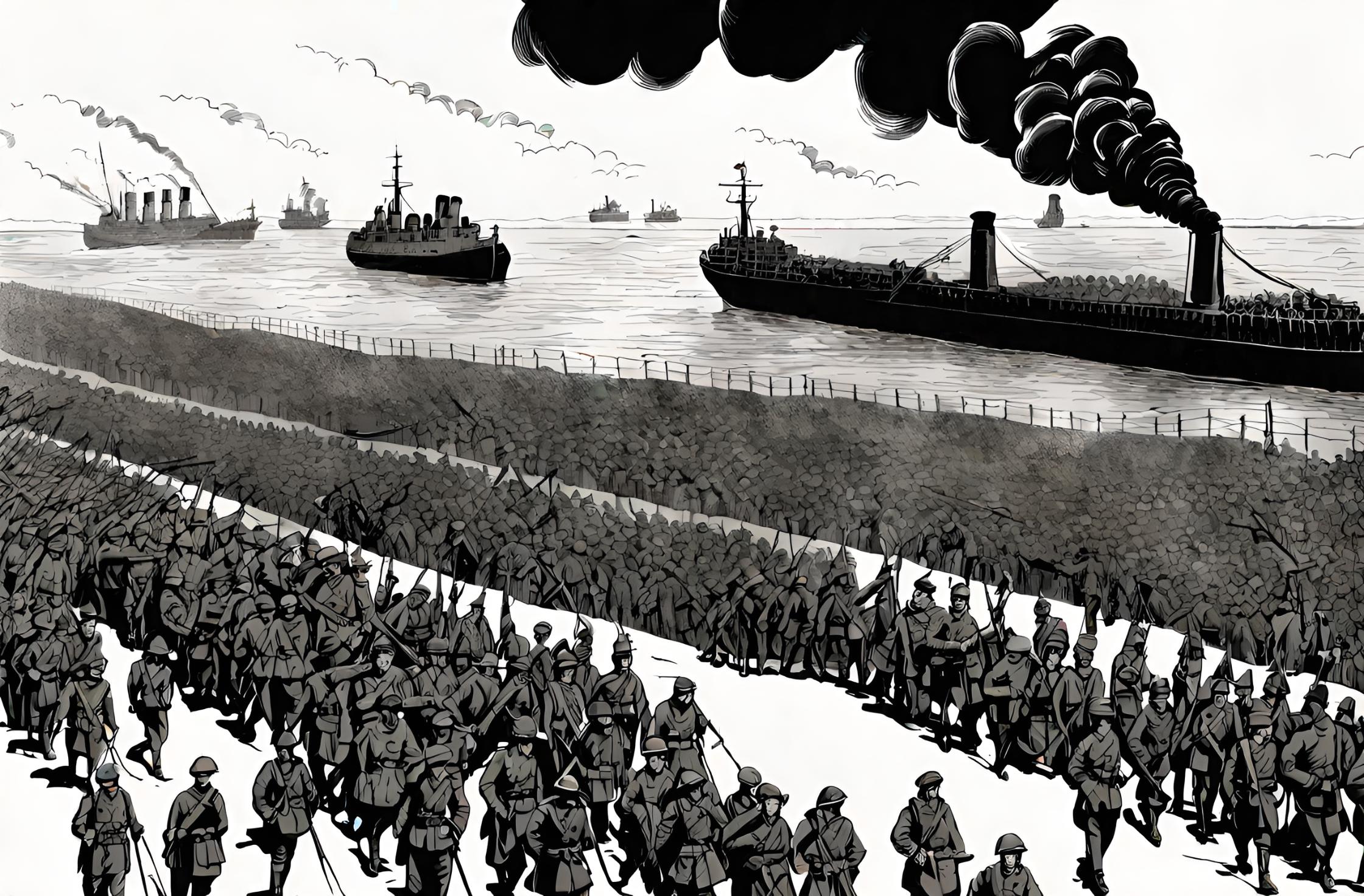
The Dunkirk Evacuation starts
Experience the pivotal 1940…
English Parliament prohibits circulation…
On 5/25/1813, the English…
NTstor Kirchner becomes President…
On May 25, 2003,…
Saint Boniface IV dies,…
On May 25, 615,…
Aldhelmus of Ealdhelm, England,…
On May 25, 709,…
Gas lamp at Paris…
On 5/25/1887, a tragic…