
Flashback to August 6
World History
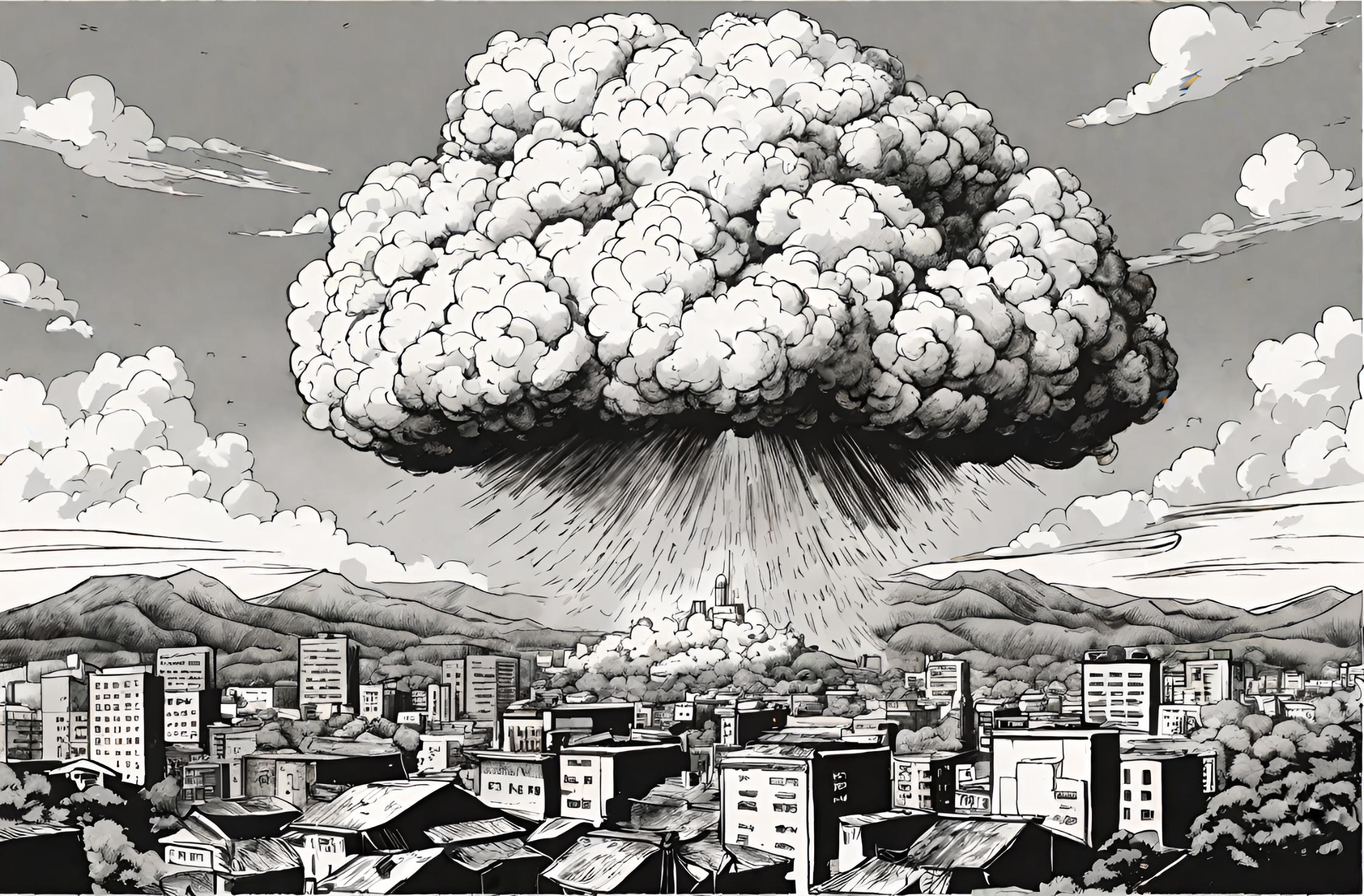
1945
Atomic bomb codenamed Little Boy is dropped by the American B-29 Enola Gay on the city of Hiroshima in Japan at 8:16 a.m.
Read moreThe significance of August 6, 1945 in the annals of world history is profound. This was the fateful day when the city of Hiroshima in Japan experienced the devastating impact of an atomic bomb named “Little Boy”. Dropped by the American B-29 bomber Enola Gay, this event was a turning point in the final stages of World War II, dramatically altering the trajectory of global politics and forever demonstrating the terrifying potential of nuclear weaponry.
The impact of “Little Boy” was immediate and catastrophic. At precisely 8:16 a.m., the atomic bomb detonated approximately 600 meters above Hiroshima, instantly reducing the city to rubble and claiming the lives of an estimated 80,000 individuals. However, the grim toll didn’t end there. The destructive power of the atom had lingering effects, with radioactive fallout causing an additional 60,000 deaths by the end of 1945. Cumulatively, it is projected that the atomic assault on Hiroshima resulted in a staggering 200,000 fatalities.
To fully comprehend the desolation of the Hiroshima bombing, it’s essential to understand what happened when “Little Boy” was unleashed. Upon detonation, the bomb released energy equivalent to approximately 15 kilotons of TNT, generating intense heat and a shock wave that destroyed nearly everything within a 1.6-kilometer radius. The resultant firestorm incinerated much of the city and left survival a grim prospect for the majority of its inhabitants.
The Enola Gay, the American B-29 bomber that delivered the catastrophic blow, was named after the mother of its pilot, Colonel Paul Tibbets. The irony of this familial name associated with such an instrument of destruction isn’t lost in the annals of history.
Horrifying as the immediate aftermath of the bombing was, the long-term effects of the nuclear fallout were equally distressing. Those who didn’t perish in the first blast were subjected to the bombardment of ionizing radiation produced, which led to significant health problems and, in many cases, eventual death. These ailments ranged from burns and radiation sickness to long-term effects like cancer and birth defects, affecting subsequent generations.
The bombing of Hiroshima, along with the subsequent bombing of Nagasaki three days later, created an unprecedented human catastrophe. The very fabric of Japanese society was torn apart, the nation’s infrastructure was obliterated, and countless families were bereaved and fragmented. The psychological trauma reverberated throughout the Japanese population, etching an indelible scar on the nation’s collective memory.
While the necessity and morality of the Hiroshima bombing remain topics of contentious debate, its repercussions are undeniable. It accelerated the end of World War II, forcing Japan’s unconditional surrender and marking the beginning of the nuclear age. This incident underscored the devastating potential of atomic weaponry and reshaped the course of international relations and geopolitics in the years following the war.
the atomic bombing of Hiroshima by the B-29 bomber Enola Gay is, undeniably, one of the most momentous and dismal events in world history. Its immediate and enduring implications have left indelible marks on the physical and psychological landscape of Japan and echo through the narrative of global history.
We strive for accuracy. If you see something that doesn't look right, click here to contact us!
 Contact Us
Sponsored Content
Atomic bomb codenamed Little…
On August 6, 1945,…

Bolivia gains independence from…
Celebrating the momentous event…
Military coup in Mauritania,…
On August 6, 2008,…
A low-pressure system that…
Experiencing a record-breaking weather…
In Myanmar, a magnitude…
A massive 7.3 magnitude…
Jamaica gains independence from…
Celebrating its independence from…
