
Flashback to June 11
World History

World War II: First Attack of the Italian Air Force on the Island of Malta
On June 11, 1940, World War II took a deadly twist as the Italian Air Force launched its first attack on the strategically located island of Malta. This event would mark the beginning of a long and brutal campaign that would have lasting effects on both sides involved. In this article, we will delve into the details of this significant event in history and explore its impact on the war.
The attack on Malta by the Italian Air Force was a part of Mussolini’s grand plan to establish dominance in the Mediterranean region. Malta, with its strategic position between Europe and North Africa, was a crucial outpost that needed to be neutralized in order for Italy to gain control over the region. The attack consisted of a wave of Italian bombers and fighters targeting the island’s airfields, military installations, and ports.
The Italian Air Force, armed with state-of-the-art aircraft such as the Savoia-Marchetti SM.79 and Fiat CR.42, carried out the initial waves of bombings. The attack caught the Maltese by surprise, and they were ill-equipped to defend themselves against the onslaught. The island’s outdated anti-aircraft defenses and limited number of aircraft posed a significant challenge in repelling the Italian attackers.
Despite the odds stacked against them, the defenders put up a valiant fight. The Royal Air Force (RAF) units stationed on the island scrambled whatever aircraft they could to engage the enemy. British Hurricanes and Gloster Gladiators engaged the Italian aircraft in fierce dogfights over the Mediterranean skies. The Maltese, determined to defend their homeland, also joined the fight by manning anti-aircraft guns and assisting with recovery efforts.
The battle raged on for hours, with both sides inflicting heavy casualties on each other. The Italians targeted key military installations, aiming to cripple Malta’s defensive capabilities. However, the resilience of the British and Maltese forces allowed them to hold their ground and prevent complete destruction.
The first attack on Malta served as a wake-up call for the Allied forces. It highlighted the vulnerability of the island and the urgent need to reinforce its defenses. With its strategic position and potential to disrupt Italian supply lines in the Mediterranean, Malta became a focal point for the Allies’ efforts to maintain control over the region.
The attack on Malta also had significant consequences for both the Italian Air Force and the Royal Air Force. The Italian forces, initially confident in their ability to quickly conquer the island, were surprised by the resilience of the defenders. This setback forced the Italians to rethink their strategy and commit more resources to the campaign, leading to an intensified air war over Malta in the following years.
For the British, the attack underscored the importance of Malta as a forward base and supply point for the war effort in North Africa. Recognizing the urgent need to reinforce the island’s defenses, the British began a sustained effort to resupply and reinforce Malta. This included the famous Operation Pedestal in 1942, which saw a convoy of ships successfully break through Axis blockades to provide much-needed supplies to the beleaguered island.
the first attack of the Italian Air Force on the island of Malta marked a critical turning point in World War II. It highlighted the strategic importance of the island and set the stage for a long and brutal campaign that would have lasting consequences for both sides. The attack served as a catalyst for increased Allied involvement in Malta’s defense and ultimately played a crucial role in the outcome of the war in the Mediterranean.
We strive for accuracy. If you see something that doesn't look right, click here to contact us!
 Contact Us
Sponsored Content
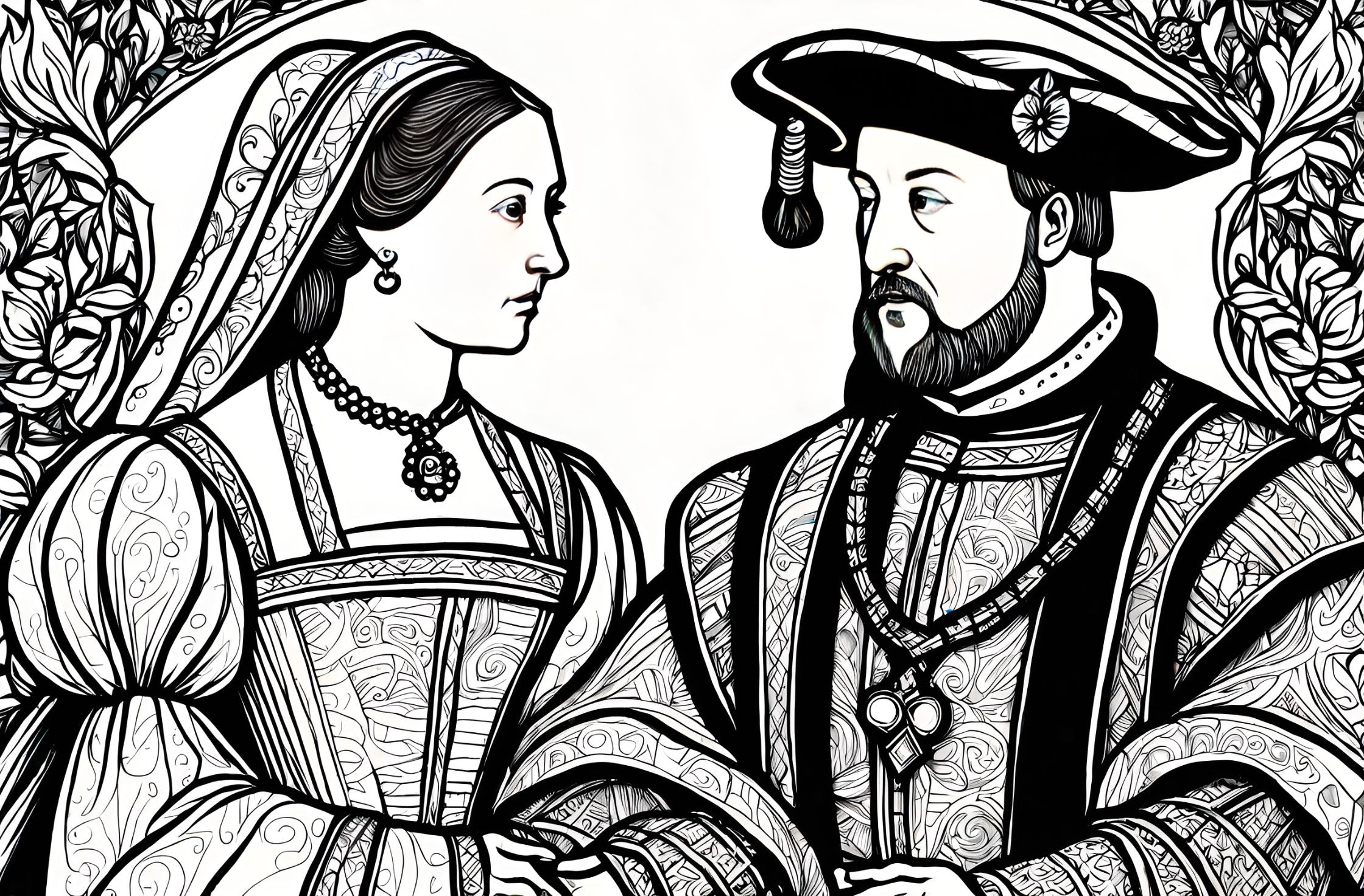
Marriage of King Henry…
On June 11, 1509,…
783 British bombers attack…
On June 11, 1943,…
Spanish-American War: US war…
On June 11, 1898,…
Mexico becomes a member…
On June 11, 1967,…
Giuseppe Saragat, president of…
Giuseppe Saragat, the former…
World War II: First…
On 6/11/1940, the Italian…
