
Flashback to July 29
World History
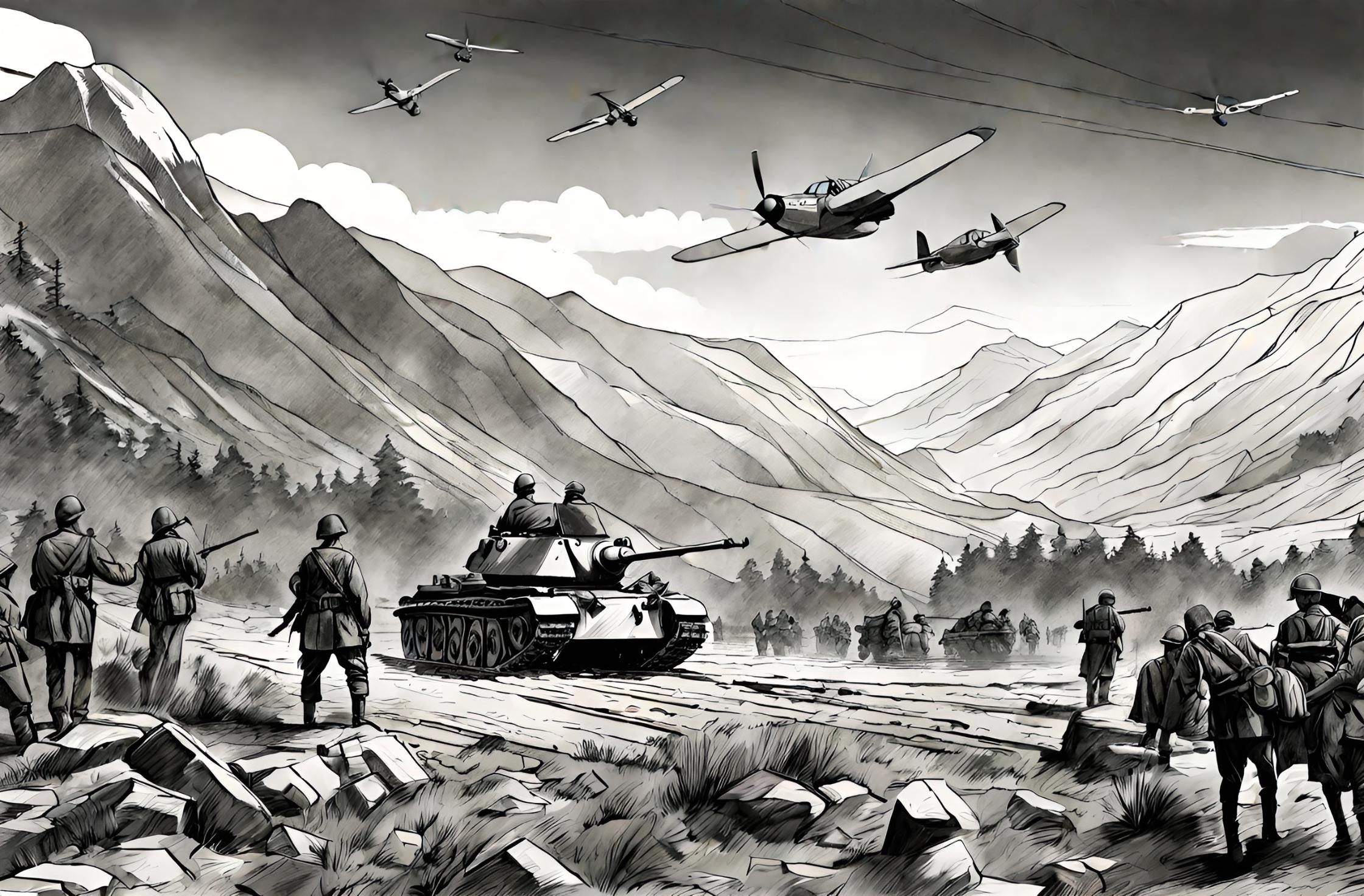
World War I, often referred to as the Great War, changed the course of history when it broke out on the 28th of July, 1914. This major global event fundamentally reshaped the landscape of the civilized world, leaving indelible marks on every aspect of human existence. This article aims to throw light on the momentous developments associated with this principal occurrence that reshaped the 20th century.
The genesis of WWI finds its roots in the complex web of alliances, economic rivalries, imperial ambitions, and nationalistic fervor that the European powers were enmeshed in. The immediate catalyst, however, was the assassination of the heir to the Austro-Hungarian Empire, Archduke Franz Ferdinand, which eventually escalated to the full-blown conflict commonly known today as WWI.
On one side of the polarized conflict were the Central Powers, made up predominantly of Germany, Austria-Hungary, and the Ottoman Empire. They faced off against the densely interconnected alliance of nations known as the Allied Powers, comprising fundamentally of France, Russia, and the United Kingdom. As the war raged on, more countries would align with the erstwhile alliances, vividly illustrating the global scope of the conflict.
WWI was characterized by trench warfare, aerial combat, naval confrontations, and deadly new technologies. The trench warfare, marked by an in-depth line of defense and fortified dugouts, led to a dreadful stalemate and enormous fatalities on both sides. The use of advanced weaponry, such as tanks, airplanes, and chemical warfare, made the casualty rate of the war exceedingly high, making it one of the deadliest conflicts in human history.
Another significant aspect of WWI was the massive societal change it engendered. With men setting off for the battlefields, women, for the first time in history, were summoned in large numbers to take over the workforce. This not only bolstered the industrial and economic strength of the nations at war but also paved the way for women’s rights movements, leading eventually to women’s suffrage in many nations.
Moreover, the world map was radically redrawn post-WWI. The defeat of the Ottoman Empire split the Middle East into separate countries, planting the seeds for many of the conflicts we see in the region today. The Russian Revolution of 1917 resulted in the country’s withdrawal from the war and the establishment of the first communist state. The punitive Treaty of Versailles in 1919, which placed the burden of war reparations squarely on Germany, sowed the seeds of resentment that would later brew into World War II.
Apart from its historical and military significance, understanding the socio-political repercussions of WWI is essential. The conflict led to significant shifts in global power, drastically altered sociopolitical landscapes, and birthed seismic societal transformations. It is imperative to understand that the effects of WWI rippled outwards, indelibly altering areas such as social structure, politics, economics, culture, and technology.
From a geopolitical perspective, the impact of WWI on international relations is undeniable. The war drastically changed borders, overthrew governments, and gave rise to ideologies, all of which would shape the world order for the rest of the 20th century. The League of Nations, an ambitious but ultimately doomed international body, was formed after WWI in an attempt to foster peace and prevent further global conflicts.
World War I, which took center stage from July 28, 1914, had a far-reaching and long-lasting impact on the world. From sowing the seeds of cataclysmic changes to trampling the existing world order, WWI left an indelible imprint on global history.
We strive for accuracy. If you see something that doesn't look right, click here to contact us!
 Contact Us
Sponsored Content

Moderate earthquake (6.5) strikes…
On July 29, 1967,…
US citizens allowed to…
On 7/29/1858, an important…
At the fourth day…
A devastating earthquake struck…
United States and Japan…
The signing of the…
First commercial treaty between…
On July 29, 1858,…
Mary Stuart, widowed, marries…
On July 29, 1565,…
