
Flashback to April 30
American History
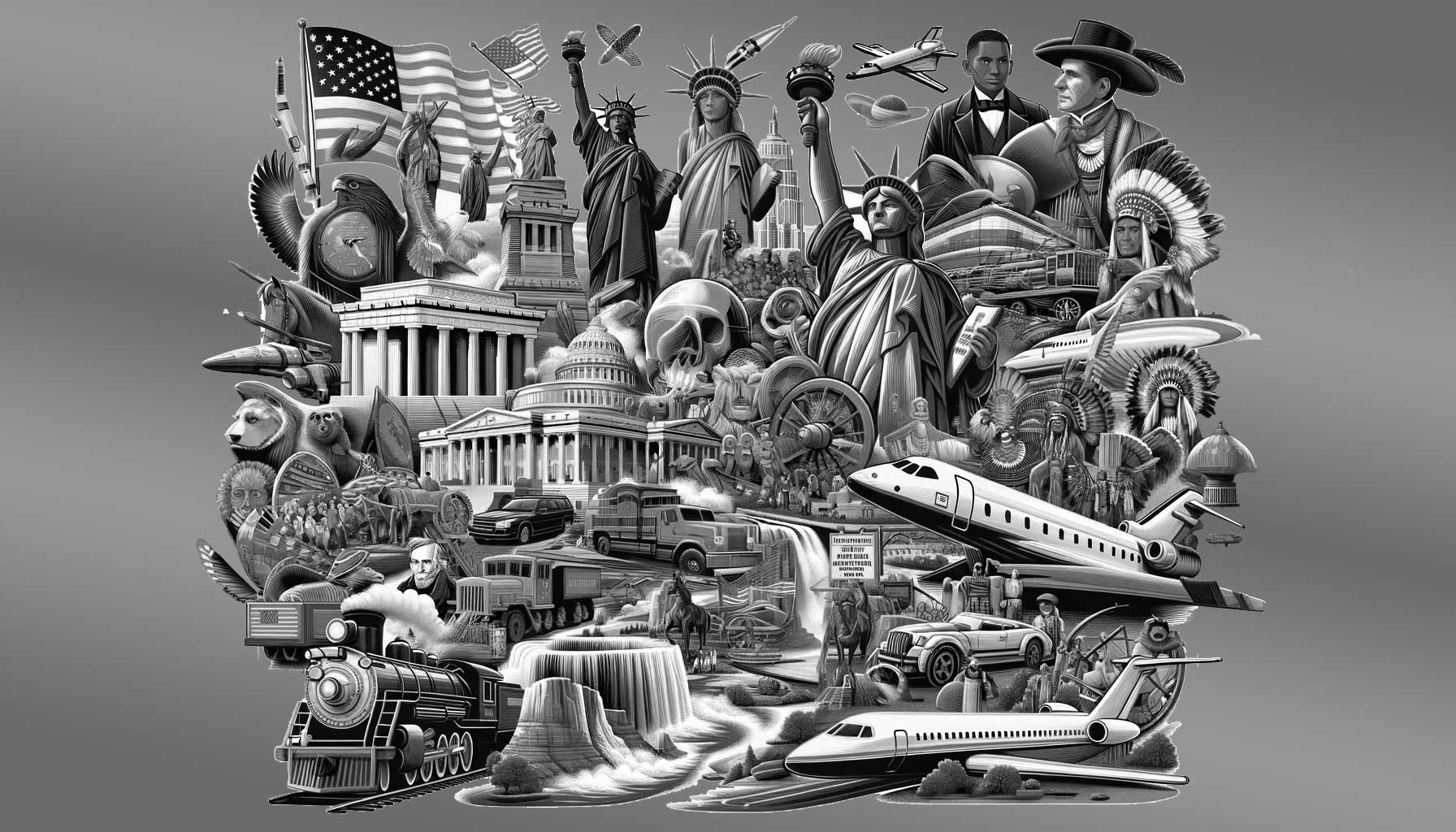
On July 8, 1896, history was made at the Democratic National Convention in Chicago. It was on this day that William Jennings Bryan delivered his iconic “cross of gold” speech, forever leaving an indelible mark on American politics. Bryan’s speech not only captivated the crowd at the convention but also ignited a major shift within the Democratic Party. In this article, we will delve into the significance of Bryan’s speech, its impact on the Democratic Party, and its lasting influence on American politics.
At the time of the 1896 Democratic National Convention, the United States was in the midst of an economic crisis. The country was grappling with the issue of whether to base its currency on gold or silver. Bryan, a rising political star from Nebraska, seized the opportunity to address this critical issue in his speech. He argued passionately for the adoption of the silver standard, believing that it would alleviate the economic hardships faced by farmers and the working class.
One of the defining moments of Bryan’s speech came when he proclaimed, “You shall not press down upon the brow of labor this crown of thorns, you shall not crucify mankind upon a cross of gold!” This powerful metaphor resonated with the audience and served as a rallying cry for those who felt oppressed by the prevailing economic system. Bryan’s use of vivid imagery and emotional language created a lasting impact, solidifying his place as a champion for the common man.
The “cross of gold” speech was not only a call for economic reform but also a political statement. Bryan positioned himself as a populist, challenging the political establishment and advocating for the rights of the working class. His message struck a chord with many Americans who felt disenfranchised and overlooked by the elites. By championing the cause of the silver standard, Bryan aimed to return economic power to the people and create a fairer society.
Following his impassioned speech, Bryan received overwhelming support from the Democratic Party, leading to his nomination as the party’s presidential candidate. Although he ultimately lost the election to Republican William McKinley, Bryan’s influence on the Democratic Party cannot be understated. He successfully shifted the party’s focus towards progressivism and populist ideals, setting the stage for future Democratic leaders.
The “cross of gold” speech also marked a turning point in American politics. Bryan’s ability to connect with the masses through his powerful oratory skills laid the foundation for modern campaign strategies. His use of emotional appeals and populist rhetoric served as a template for future politicians seeking to win over voters. Bryan demonstrated the power of persuasive communication, proving that a powerful speech can galvanize the public and shape the course of history.
Furthermore, the speech highlighted the importance of economic issues in shaping political discourse. Bryan’s emphasis on the struggles of the working class brought economic inequality to the forefront of American politics. This focus on economic justice continues to be a key theme in political discussions today, with candidates often vying to address the concerns of the middle class and working Americans.
the “cross of gold” speech delivered by William Jennings Bryan at the 1896 Democratic National Convention had a profound impact on American politics. Bryan’s powerful rhetoric and impassioned plea for economic reform resonated with the masses and propelled him to the forefront of the Democratic Party. His influence on the party and his lasting impact on American politics cannot be overstated. The speech not only marked a turning point in American history but also set a precedent for future political campaigns. The legacy of Bryan’s speech continues to shape political discourse and serves as a reminder of the power of effective communication in mobilizing the public.
We strive for accuracy. If you see something that doesn't look right, click here to contact us!
 Contact Us
Sponsored Content

First shuttle flights between…
On April 30, 1961,…
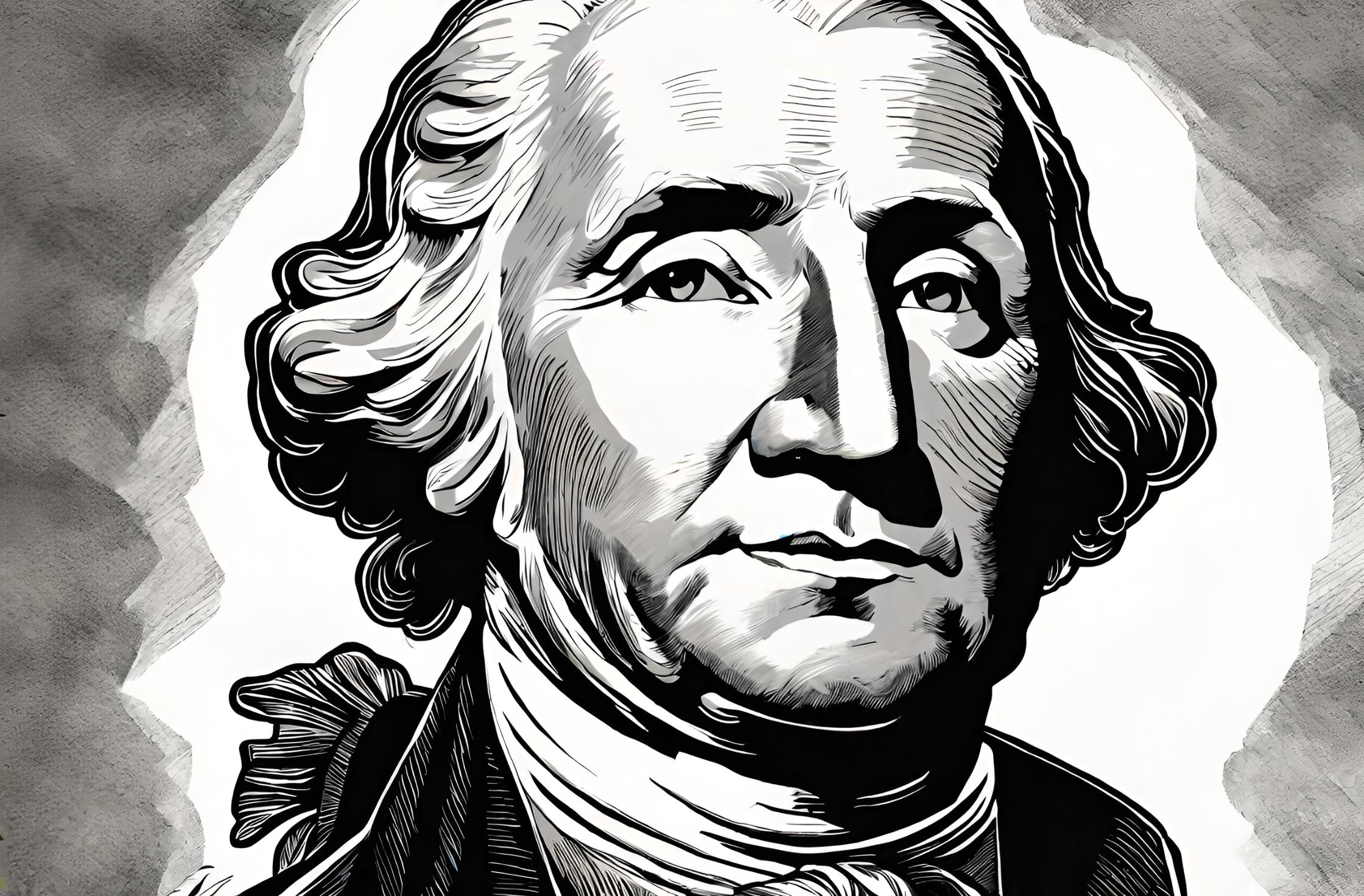
George Washington inaugurated as…
"Experience the momentous occasion…
Watergate Scandal: President Richard…
On April 30, 1973,…
New York becomes first…
On April 30, 1864,…
