
Flashback to May 4
American History

1965
William F Raborn Jr replaces John A McCone as 7th head of US Central Intelligence Agency.
Read moreOn April 28, 1965, a significant changing of the guard took place at the United States Central Intelligence Agency (CIA). John A. McCone, the 6th head of the CIA, stepped down from his position, and William F. Raborn Jr. replaced him as the 7th head of the esteemed intelligence agency. This transition marked a pivotal moment in the history of the CIA and had far-reaching implications for the United States’ intelligence capabilities.
John McCone had been appointed as the head of the CIA by President John F. Kennedy in 1961. During his tenure, McCone oversaw several critical events, including the Cuban Missile Crisis of 1962. Under his leadership, the CIA played a pivotal role in analyzing intelligence and providing strategic guidance during this tense period. However, by 1965, McCone’s relationship with President Lyndon B. Johnson had deteriorated due to disagreements over several policy issues. As a result, McCone decided to step down from the position.
William Raborn, a distinguished Navy officer and the director of special projects for the Department of Defense, was chosen as McCone’s successor. His appointment came at a time when the United States was grappling with several significant challenges on the international stage, including the ongoing Cold War with the Soviet Union. As the head of the CIA, Raborn was expected to provide critical intelligence insights and guide the nation’s response to these challenges.
Raborn’s appointment was met with both expectations and skepticism. On one hand, his extensive military background and experience in defense projects were seen as valuable assets. On the other hand, some doubted whether he had the necessary expertise in intelligence operations. However, Raborn quickly set out to prove his capabilities and put his mark on the CIA.
During his tenure, Raborn focused on modernizing and streamlining the CIA’s operations. He recognized the need to adapt to changing times and technological advancements. Under his leadership, the agency expanded its capabilities in signals intelligence, electronic surveillance, and satellite reconnaissance. Raborn also emphasized the importance of collaboration with other intelligence agencies, both domestically and internationally, to enhance the effectiveness of intelligence gathering and analysis.
One of Raborn’s notable achievements was the establishment of the Office of National Estimates (ONE) within the CIA. This office played a crucial role in coordinating and integrating intelligence assessments from various sources to provide policymakers with comprehensive and accurate information. By centralizing the assessment process, Raborn aimed to ensure that decision-makers had access to the most reliable intelligence available.
However, Raborn’s tenure as the head of the CIA was short-lived. In June 1966, just over a year after assuming the position, he resigned due to personal reasons. His departure was met with mixed reactions, with some praising his efforts to modernize the agency and improve intelligence capabilities, while others criticized his management style and alleged lack of transparency.
the appointment of William F. Raborn Jr. as the 7th head of the CIA in April 1965 marked a significant moment in the agency’s history. His tenure, although relatively short, was marked by efforts to modernize and streamline operations, enhance collaboration, and establish more efficient intelligence assessment processes. While his leadership style and ultimate departure from the position may have been subject to criticism, Raborn’s contributions to the CIA’s evolution remain noteworthy.
We strive for accuracy. If you see something that doesn't look right, click here to contact us!
 Contact Us
Sponsored Content
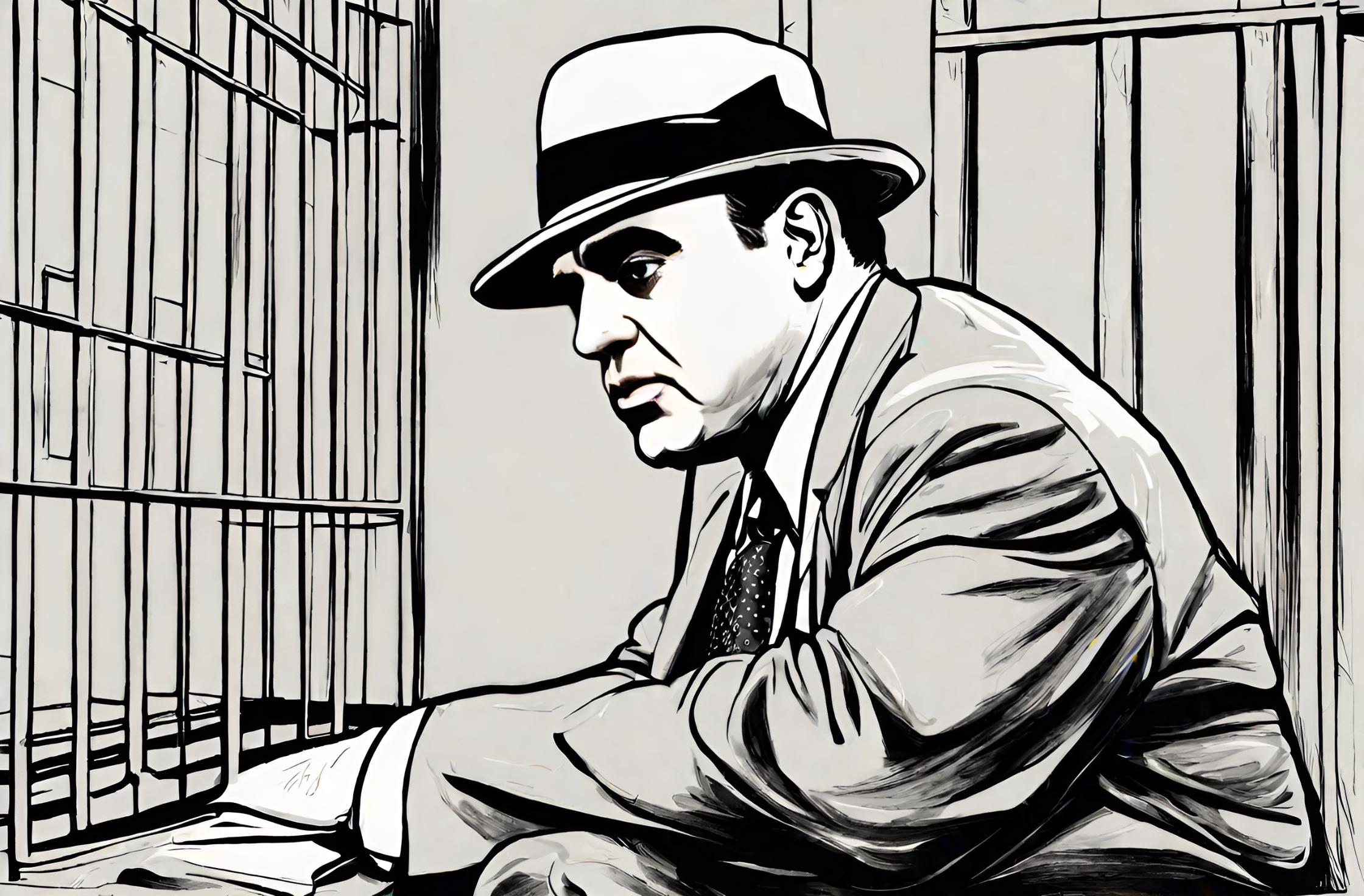
In Atlanta, Georgia, mobster…
On May 4, 1932,…
Jean Crepin, soldier/industrialist, dies…
Jean Crepin, soldier and…
New York state revokes…
On 5/4/1923, New York…
Battle of Chancellorsville ends…
On May 4, 1863,…
Abraham Lincoln buried in…
Abraham Lincoln, the renowned…
