
Flashback to April 19
American History
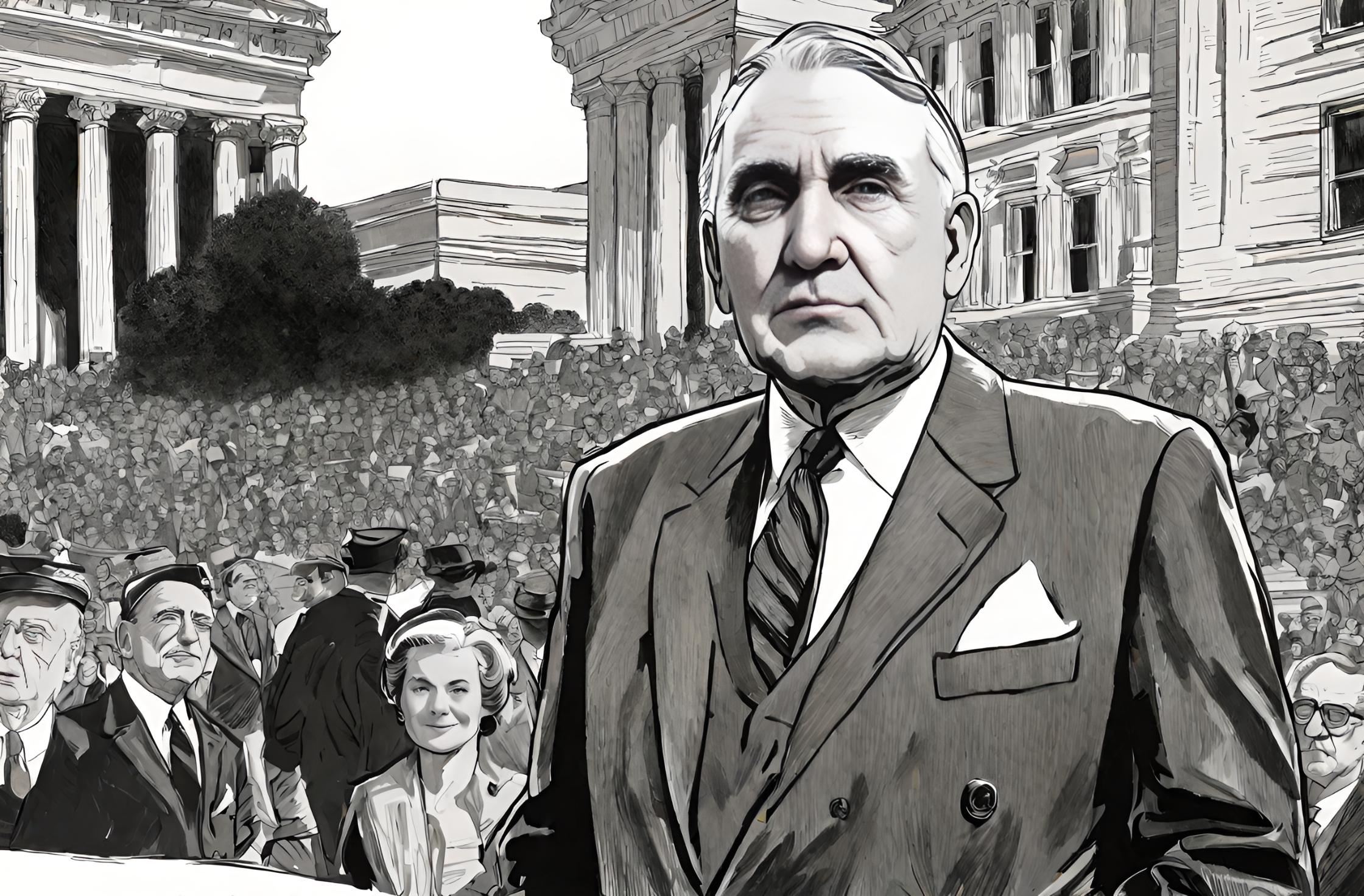
The historical event of Warren G Harding’s election as President on November 2, 1920, is an epochal date in American history. Not only was it the cornerstone of many significant political changes, but Harding’s presidency also represented an era of significant impact on our nation as a whole.
In a bid to understand this remarkable event in the annals of U.S. history better, we delve into the political environment surrounding Warren G Harding’s election. The Ohio native’s political journey was nothing short of impressive as he rose from a humble newspaper publisher to becoming the 29th President of the United States.
Though Harding was not a known entity in the national politics until then, his charm and charisma led him to secure the Republican nomination in the 1920 Presidential election. He was known for his “return to normalcy” campaign, which was a reaction to the activism of his predecessors, particularly Woodrow Wilson. Harding’s campaign focused on bringing America back to its pre-World War 1 days, a sentiment that resonated with a war-weary nation and set the stage for his successful campaign.
The significant margin by which Warren G. Harding won the election was a testament to the effectiveness of his message. Harding secured over 60% of the popular vote, a margin unseen in American political history until then. The Harding administration commenced at a time of post-war recession and international disillusionment, and the promise of “normalcy” struck a chord with the American citizenry.
However, Harding’s tenure faced a fair share of turbulence. His time in office, from 1921 to 1923, was fraught with scandals, although answering for them was a burden ultimately borne by his scandal-weary successors. These unfortunate instances led to public disillusionment, offering a contrasting depiction as compared to the initial phases of his presidency.
Concentrating on Harding’s policies provides an interesting aspect of his time as President. He pushed for economic policies centered on lower taxes, limited immigration, and isolation in international affairs. These policies reflected the broader public sentiment of the post-war ’20s and decided the political compass of the country for large parts of the decade.
One of the noteworthy policy advancements of Harding’s administration was the Washington Naval Conference, endeavoring towards disarmament and new relations with foreign powers. It revealed Harding’s vision for a less involved but peacefully engaged policy in international affairs, making a major contribution to the global geopolitical landscape.
Warren G. Harding proved to be a noteworthy President despite his short time in the office. Discussing questions of Harding’s legacy is a complex undertaking. However, his influential tenure still warrants his inclusion as a significant figure in the pantheon of American political history.
As we celebrate the anniversary of Warren G. Harding’s election as the President, it is important to reflect on the political and societal changes his administration ignited. From providing tax cuts and immigration reforms to striving for global peace, Harding impacted the course of the nation in a way few could. The lessons from his term serve as an instructive case study to draw upon in various political aspects till date.
Even after almost a century, the story of Warren G. Harding is still told and remembered, evidence of the indomitable mark he left on American history. While his administration had its fair share of highs and lows, the momentous occasion of his election goes down as a significant milestone in the political timeline of America.
We strive for accuracy. If you see something that doesn't look right, click here to contact us!
 Contact Us
Sponsored Content

A 51-day stand-off at…
On April 19, 1993,…
Charles Manson sentenced to…
On April 19, 1971,…
George Mickelson, Governor of…
On April 19, 1993,…
First American all-news radio…
On April 19, 1965,…
Oklahoma City bombing: 168…
On April 19, 1995,…
US President Herbert Hoover…
On April 19, 1932,…
