
Flashback to June 23
American History
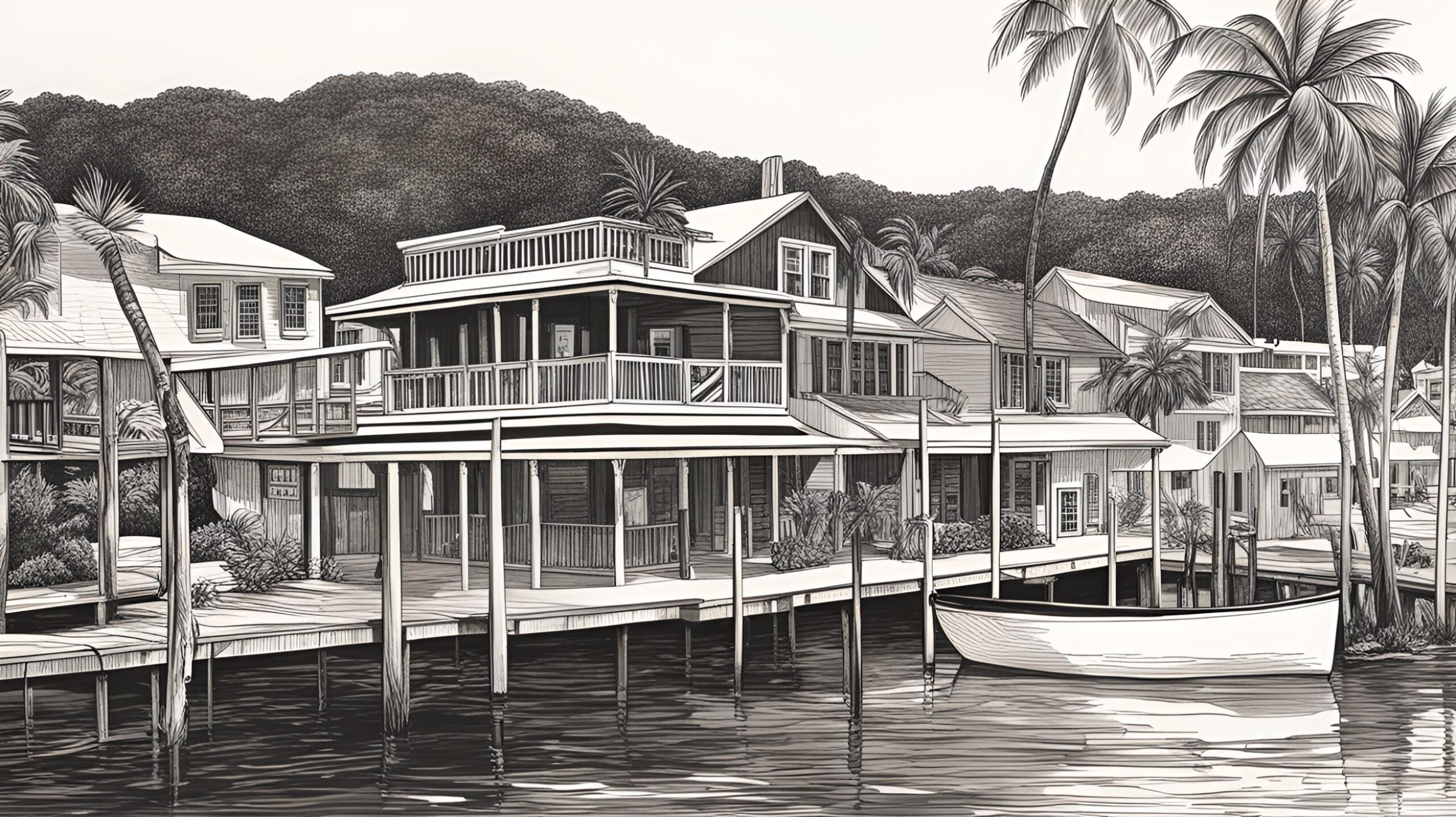
On June 22, 1936, a significant event took place in the Virgin Islands as the United States presented the islands with a constitution known as the Organic Act. This act marked an important milestone in the history of the Virgin Islands, as it granted them a measure of autonomy and self-governance. In this article, we will delve into the details of this historic event, its implications for the Virgin Islands, and its long-lasting impact.
The Organic Act was introduced by the U.S. Congress in an effort to provide a framework for local governance in the Virgin Islands. Prior to its enactment, the islands had been under the direct control of the U.S. Navy, which had assumed control of the region during World War I. The act aimed to establish a local government system, allowing the residents of the Virgin Islands to participate in the decision-making process and have a say in their own affairs.
One of the key provisions of the Organic Act was the establishment of a legislative assembly. This assembly would be responsible for creating and passing laws that applied to the islands, giving the people a voice in the legislative process. Additionally, the act provided for the appointment of a governor by the President of the United States, who would serve as the executive authority in the islands.
The implementation of the Organic Act brought about several significant changes in the daily lives of the people in the Virgin Islands. It opened up opportunities for local residents to participate in the political process and have a direct impact on the policies and laws that governed their lives. This newfound autonomy allowed the islands to develop their own identity and shape their future according to their unique needs and aspirations.
Furthermore, the act also paved the way for economic development in the Virgin Islands. Prior to the Organic Act, the islands relied heavily on the sugar industry, which had suffered a decline in recent years. With the newfound autonomy granted by the act, the islands were able to diversify their economy by attracting new industries and investments. This shift played a significant role in transforming the Virgin Islands into the thriving tourist destination and offshore financial center it is today.
The long-lasting impact of the Organic Act cannot be underestimated. It laid the foundation for the democratic governance that the Virgin Islands enjoys today. The act set a precedent for self-governance in U.S. territories, influencing the development of similar acts in other territories like Puerto Rico and Guam. It also served as a catalyst for the civil rights movement in the Virgin Islands, as it sparked a desire for greater political and social rights among the local population.
The Virgin Islands’ receipt of the constitution from the U.S. government through the Organic Act on June 22, 1936, was a landmark event. It granted the islands a degree of self-governance, allowing the people to actively participate in the political process and shape their own future. The act brought about significant changes in the islands’ economy and set the stage for their development as a thriving, autonomous territory. Its long-lasting impact can still be seen today in the democratic institutions and vibrant economy of the Virgin Islands.
We strive for accuracy. If you see something that doesn't look right, click here to contact us!
 Contact Us
Sponsored Content

Christopher Latham Sholes patents…
On June 23, 1868,…

US Civil Aeronautics Authority…
On June 23, 1938,…
122 degrees F (50…
On 6/23/1954, Overton, Nevada…
John Jacob Astor organizes…
On June 23, 1810,…
Marineland opens near St.…
On June 23, 1938,…
U.N. inspection teams attempt…
U.N. inspection teams face…
