
Flashback to May 2
American History

On July 3, 1984, a landmark decision was reached by the United States Supreme Court that had far-reaching implications for gender equality and the concept of freedom of association. In the case of “Jaycees vs. Roberts”, the Court ruled that the Jaycees, an all-male organization, could be forced to admit women as members. This decision was met with both praise and criticism, igniting a national debate on gender discrimination and the limits of personal freedom.
The Jaycees, formally known as the United States Junior Chamber, was an organization that aimed to promote personal development and community service among young men. The group provided its members with leadership training, networking opportunities, and a platform to make positive contributions to society. However, the organization had a long-standing policy that barred women from becoming members.
This policy was challenged by a group of women who believed that their exclusion from the Jaycees was a violation of their rights. Supported by women’s rights organizations and activists, they argued that the Jaycees’ policy amounted to gender discrimination and hindered their ability to participate fully in professional and civic life. The case eventually reached the Supreme Court, where it was decided in favor of the women.
In its ruling, the Supreme Court relied on the Equal Protection Clause of the Fourteenth Amendment, which guarantees that no state shall deny any person equal protection under the law. The Court held that the Jaycees’ policy violated this clause by treating women differently from men and denying them the same opportunities for personal and professional growth. The Court also rejected the argument that the Jaycees’ all-male membership was essential to achieve their objectives, emphasizing that gender-based distinctions could not be justified without an exceedingly persuasive justification.
The decision sparked a heated debate about the boundaries of personal freedom and individual autonomy. Critics of the ruling viewed it as an encroachment on private organizations’ right to associate with whomever they pleased. They argued that the government should not interfere in the internal affairs of private groups, even if their policies appeared discriminatory. Supporters of the decision, on the other hand, hailed it as an important step towards gender equality and a blow against institutionalized sexism.
Following the Court’s decision, many other traditionally male-only organizations, such as Rotary International and the Lions Club, also amended their membership policies to include women. These changes were seen as a reflection of the evolving views on gender roles and the recognition that excluding women from these organizations undermined their core values of inclusivity and community service.
However, despite the legal victory and subsequent changes within various organizations, gender discrimination and inequality persist in many parts of American society. Women still face barriers and biases in the workplace, politics, and other realms. The ruling in Jaycees vs. Roberts remains significant as a precedent that marked a turning point in the fight against gender discrimination, but it also reminds us of the ongoing challenges that women face in securing equal rights and opportunities.
In retrospect, the Supreme Court’s decision in Jaycees vs. Roberts can be seen as a pivotal moment in the history of gender equality in the United States. It challenged the prevailing notions of gender roles and forced society to confront the issue of discrimination within private organizations. While the ruling was not without controversy, it played a critical role in shaping the legal landscape and fostering greater inclusivity in American society.
We strive for accuracy. If you see something that doesn't look right, click here to contact us!
 Contact Us
Sponsored Content
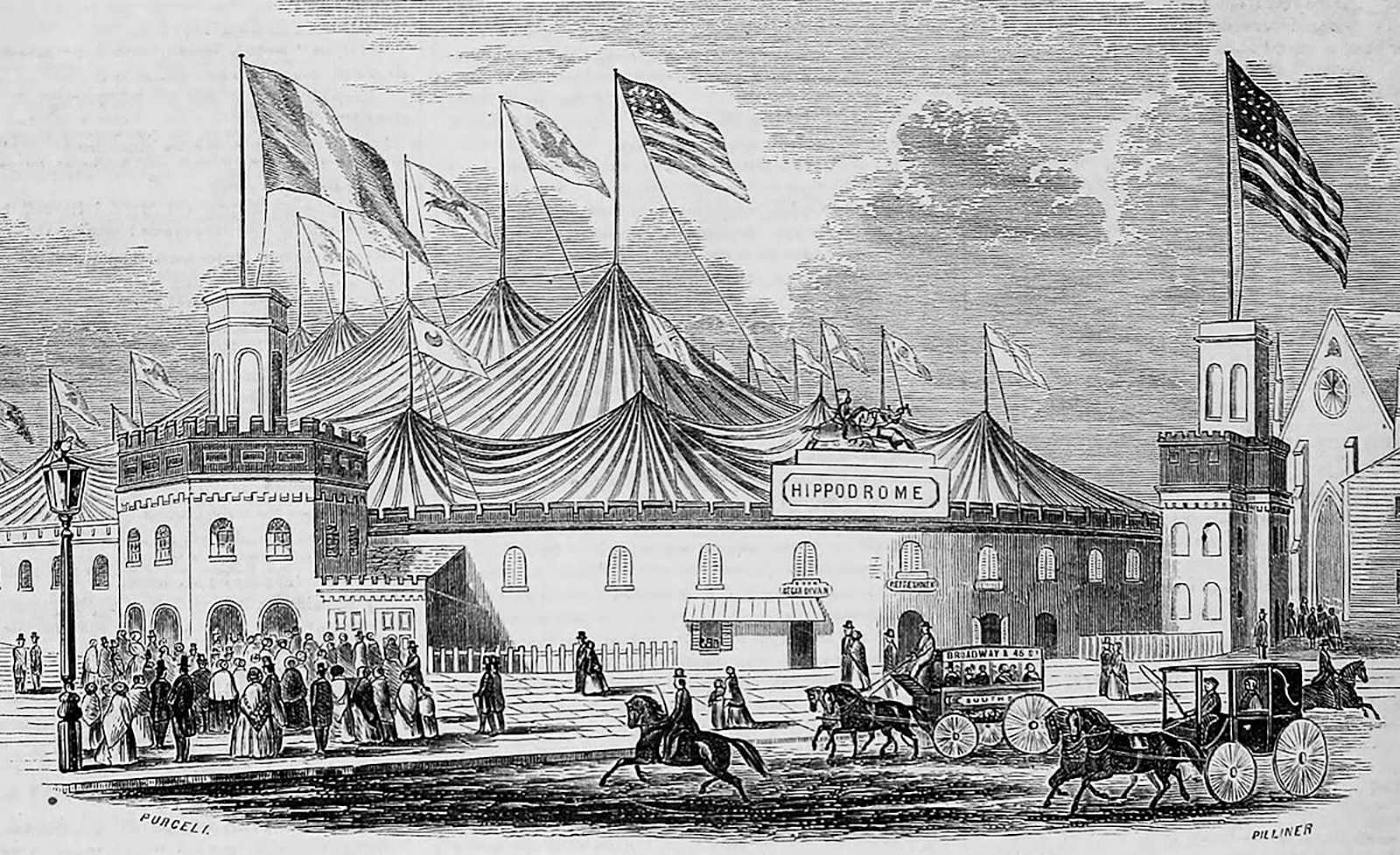
Franconi’s Hippodrome opens (New…
On May 2, 1853,…
Joseph McCarthy, communist-hunting American…
On May 2, 1957,…
US performs atmospheric nuclear…
In a significant development,…
Sabbath famine.
The Sabbath famine of…
