
Flashback to April 2
American History
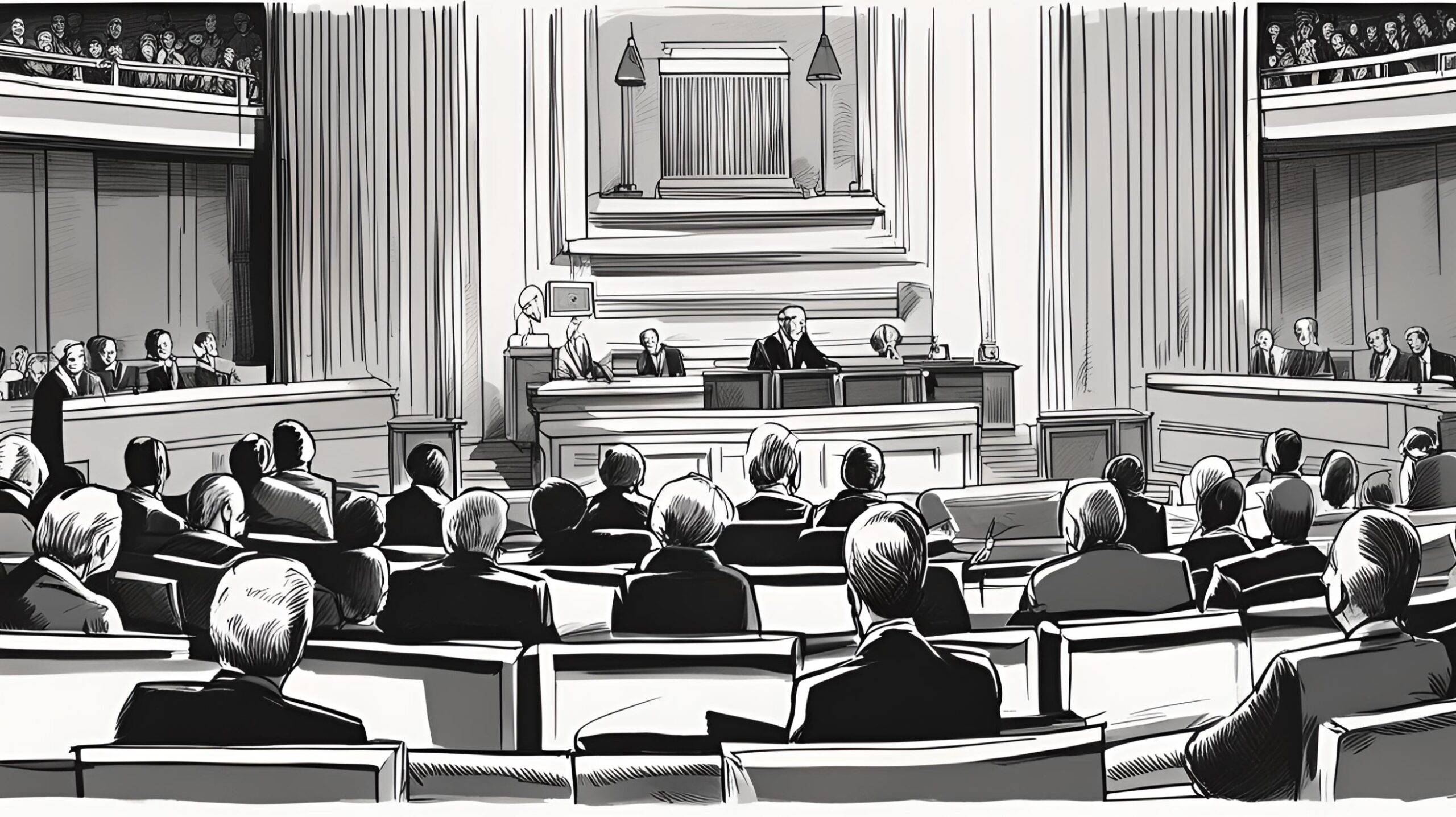
On July 17, 1962, a significant event took place in the United States Senate that had far-reaching implications for the healthcare system in the country. During this time, the US Senate rejected a proposal for Medicare that was specifically targeted towards the aged population. This decision had a profound impact on American society, and its repercussions are still felt today.
The rejection of Medicare for the aged by the US Senate was a momentous event as it dashed the hopes of millions of elderly Americans who were looking for affordable healthcare options. The proposed Medicare program aimed to provide comprehensive coverage to individuals aged 65 and older, ensuring they had access to quality healthcare without financial burdens.
The primary reason behind the rejection of Medicare for the aged was the concern over its potential costs. Critics argued that implementing such a program would be financially unsustainable and would place an enormous burden on taxpayers. They believed that government intervention in healthcare would disrupt the free market and lead to a deterioration in the quality of care provided.
Another argument against Medicare for the aged was the fear of a government takeover of healthcare. Opponents suggested that the proposed program could pave the way for socialized medicine, diluting the individual’s ability to make healthcare decisions and potentially leading to a decline in the quality and availability of medical services.
Furthermore, opponents of Medicare for the aged raised concerns about the impact it would have on the overall economy. They believed that the costs associated with implementing and maintaining the program would strain the federal budget and could potentially lead to economic instability.
Despite the significant opposition, proponents of Medicare for the aged saw it as a necessary step towards ensuring that elderly Americans received the care they needed. They argued that the private insurance market often failed to provide adequate coverage for older individuals, leaving them vulnerable to skyrocketing healthcare costs. Additionally, proponents emphasized the moral imperative of providing affordable healthcare to those who had contributed to society throughout their lives.
The rejection of Medicare for the aged in 1962 was certainly a setback for advocates of universal healthcare. However, it ultimately paved the way for further discussions and eventually led to the establishment of Medicare in 1965. Although the initial proposal faced significant resistance, public opinion and political will eventually rallied behind the cause, resulting in the introduction of a federal health insurance program for Americans aged 65 and older.
Today, Medicare is an essential pillar of the American healthcare system, providing essential coverage to millions of elderly Americans. It serves as a reminder of the progress that has been made in expanding access to healthcare, as well as a testament to the ongoing debates surrounding its implementation and sustainability.
The rejection of Medicare for the aged by the US Senate on July 17, 1962, was a pivotal event in American healthcare history. While the decision represented a setback at the time, it eventually led to the establishment of Medicare in 1965, which continues to play a vital role in providing affordable healthcare to elderly Americans. The debates surrounding Medicare serve as a reminder of the ongoing challenges and discussions regarding the nation’s healthcare system.
We strive for accuracy. If you see something that doesn't look right, click here to contact us!
 Contact Us
Sponsored Content

In New York, Mafia…
On April 2, 1992,…
