
Flashback to August 25
American History
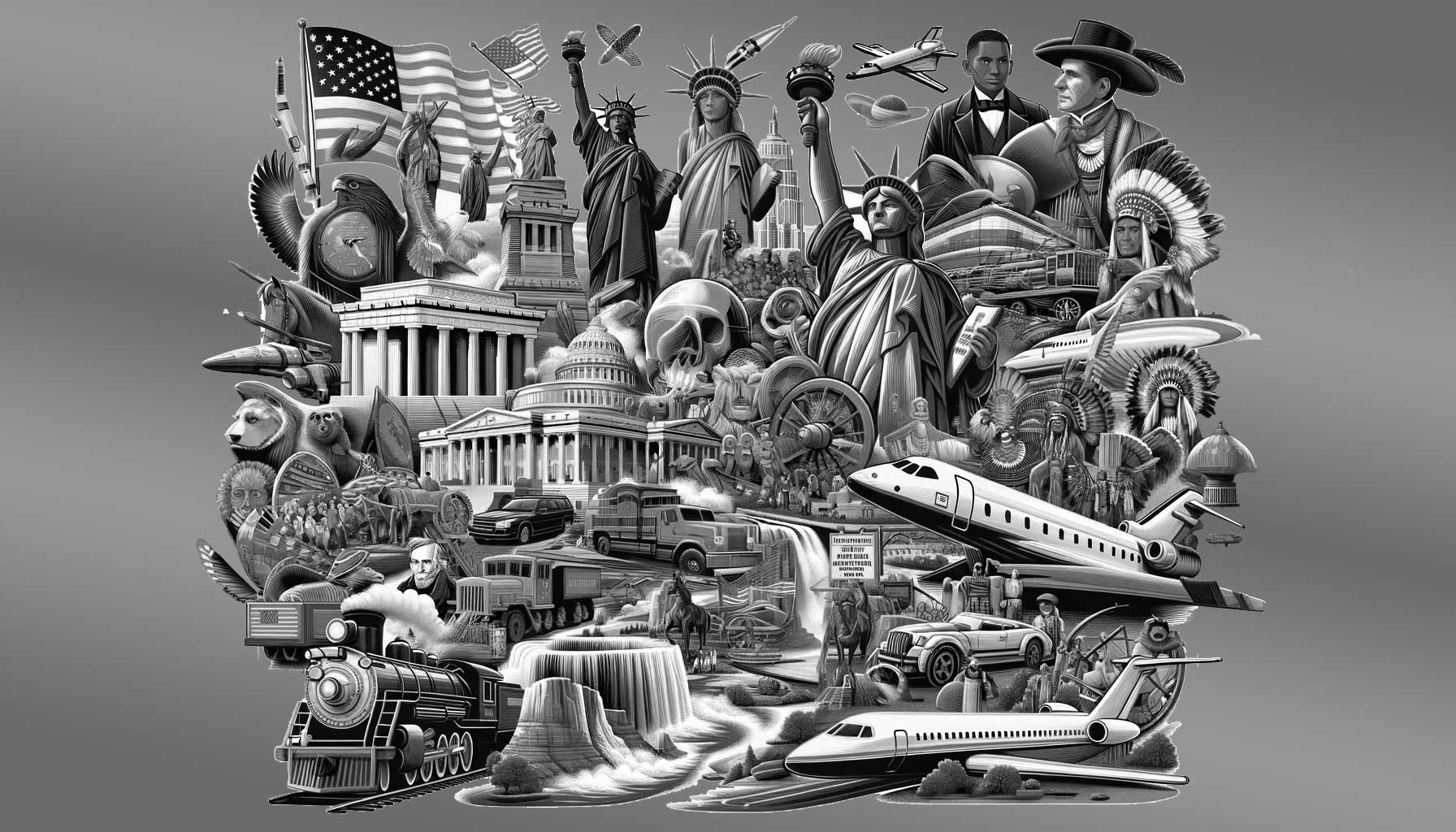
On June 20, 1947, an important event took place in the history of the United States. President Harry Truman vetoed the Taft-Hartley Act, which had significant implications for labor relations in the country. This event marked Truman’s firm stance on workers’ rights and highlighted his commitment to fair and balanced labor policies.
The Taft-Hartley Act, also known as the Labor-Management Relations Act, was passed by the United States Congress on June 23, 1947. The act aimed to amend certain provisions of the National Labor Relations Act and regulate the power and behavior of labor unions. It was a response to growing concerns regarding union power and strikes that posed a threat to the nation’s economy.
However, Truman believed that the Taft-Hartley Act tipped the scales in favor of employers, limiting the rights and power of workers. In a strongly-worded veto message to Congress, Truman argued that the act placed unfair restrictions on labor unions and hindered collective bargaining rights. He contended that it would ultimately lead to increased industrial disputes and jeopardize the country’s economic stability.
Truman’s veto of the Taft-Hartley Act was met with mixed reactions from the public and politicians. Supporters of the act argued that it was necessary to curtail the power of labor unions, citing incidents of strikes that disrupted essential industries and caused economic harm. They believed that the act would promote fairness and balance in labor relations.
On the other hand, Truman’s decision to veto the act was praised by labor unions and workers who saw it as a progression towards protecting their rights and improving their working conditions. They viewed Truman’s action as a bold and principled move to safeguard the interests of the working class.
The event sparked an intense debate across the nation about the role of labor unions and the balance of power between employers and workers. It also highlighted the political differences between Truman and the majority of Congress, which was controlled by Republicans who supported the Taft-Hartley Act.
Ultimately, Truman’s veto was overridden by Congress, and the Taft-Hartley Act became law. Despite this setback, Truman’s position on workers’ rights resonated with many Americans and solidified his reputation as a champion of the working class.
Looking back at this event, it is clear that Truman’s veto of the Taft-Hartley Act was significant in shaping labor relations in the United States. Though the act became law, Truman’s strong opposition served as a reminder to future administrations and lawmakers of the importance of fair and balanced labor policies.
Truman’s stance on workers’ rights and his fight against what he saw as unfair limitations on labor unions set a precedent for future presidents and politicians. It demonstrated the need to consider the interests of workers and maintain a delicate balance between labor and management.
the veto of the Taft-Hartley Act by President Harry Truman on June 20, 1947, was a pivotal event in the history of labor relations in the United States. Truman’s firm stand against the act showcased his commitment to workers’ rights and underscored the need for fair and balanced labor policies. Despite the eventual enactment of the act, Truman’s veto left a lasting impact on the conversation surrounding labor unions and the role they play in shaping the nation’s economy.
We strive for accuracy. If you see something that doesn't look right, click here to contact us!
 Contact Us
Sponsored Content
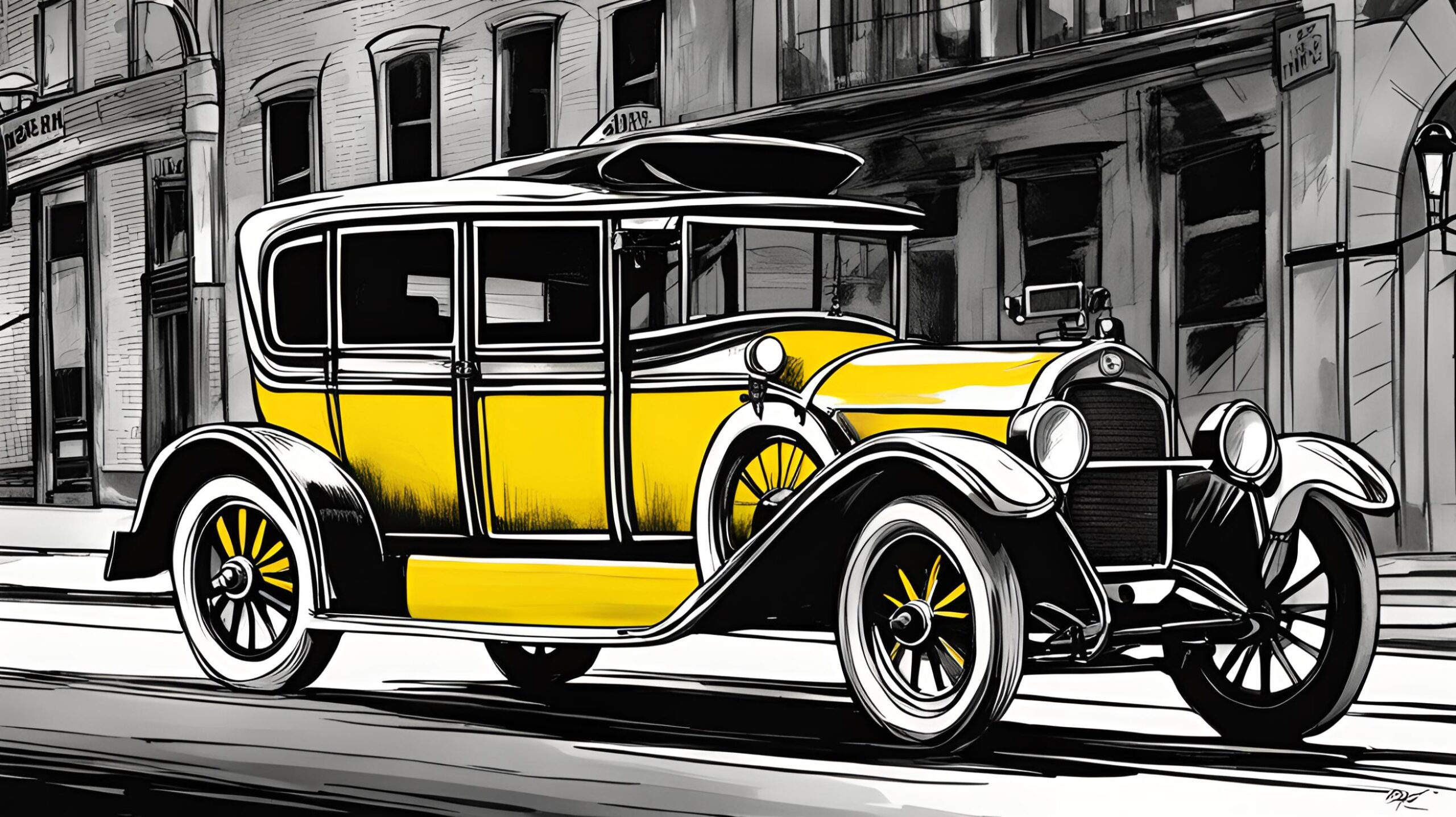
Yellow Cab is founded
Established on August 25,…
Mary Ball Washington mother…
Commemorating the life and…
Ann Rutledge said to…
Experience the deep-seated love…
New Orleans, Louisiana is…
"Experience the rich history…
Secretary of War authorizes…
On August 25th, 1862,…
