
Flashback to July 24
American History
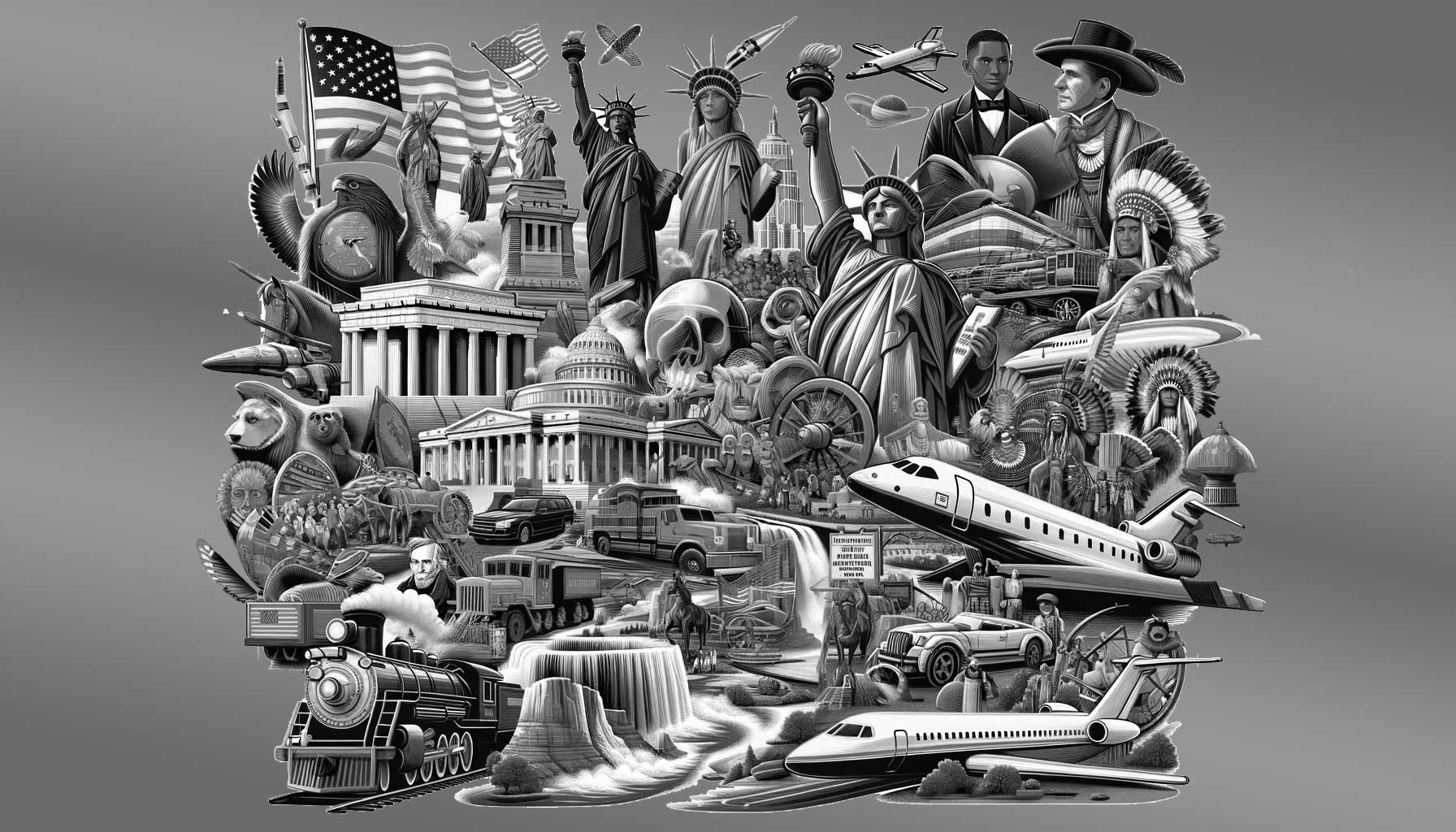
On July 24, 1952, a significant event took place in American history – the settlement of the 53-day steel strike by US President Harry Truman. This event had a profound impact on the labor movement, the economy, and the presidency. In this article, we will dive into the details of this historic event and its consequences.
The 1952 steel strike was the longest labor strike in the history of the American steel industry. It began on June 2 when over 500,000 steelworkers across the country walked off their jobs, demanding higher wages and improved working conditions. This strike severely disrupted steel production, leading to shortages in the crucial industry.
As the strike dragged on, tensions rose between the striking steelworkers and the steel companies. The Truman administration faced mounting pressure to intervene and resolve the conflict. At the time, the United Steelworkers of America (USWA) was the largest labor union in the nation, representing workers in the steel industry. They played a key role in the strike negotiations.
President Truman believed that the strike posed a threat to national security. With the Korean War ongoing, the government relied heavily on steel for military production. The strike not only hindered the domestic industry but also affected the war effort. Truman decided to step in and take action.
Truman’s decision to involve himself in the strike was highly controversial. The president invoked his executive powers and issued an executive order to seize control of the country’s steel mills. This move was seen by many as an overreach of presidential authority, and a legal battle ensued.
The steel companies challenged Truman’s authority in court, and the case eventually reached the Supreme Court. In a landmark decision, the Court ruled in Youngstown Sheet & Tube Co. v. Sawyer that Truman had exceeded his constitutional powers in seizing the steel mills. This ruling was a significant blow to Truman’s presidency.
However, before the Supreme Court ruling, Truman managed to secure a settlement for the striking steelworkers. On July 24, 1952, after intense negotiations between the government, the union, and the steel companies, an agreement was reached. The settlement included a wage increase and improved working conditions for the steelworkers.
The settlement of the steel strike had both immediate and long-term effects. In the short term, it brought an end to the strike and allowed steel production to resume. This had a positive impact on the economy, as the steel industry played a crucial role in America’s post-war industrial growth.
However, Truman’s handling of the strike and his subsequent defeat at the Supreme Court tarnished his reputation. The ruling weakened the power of the presidency and set a precedent for limiting executive action. It also highlighted the ongoing conflicts between labor and management in the post-war era.
the settlement of the 53-day steel strike by US President Harry Truman on July 24, 1952, was a defining moment in American history. As the longest labor strike in the steel industry’s history, it had far-reaching consequences for the labor movement, the economy, and the presidency. Truman’s involvement and subsequent legal battle shaped the balance of power between the executive branch and the judiciary, leaving a lasting impact on American politics.
We strive for accuracy. If you see something that doesn't look right, click here to contact us!
 Contact Us
Sponsored Content
Anthony Johnson, a free…
On 7/24/1651, Anthony Johnson,…
US Supreme Court unanimously…
On July 24, 1974,…
US President Harry Truman…
On July 24, 1952,…
Rotary-type printing press patented…
On July 24, 1847,…
William Clark (of Lewis…
Discover the fascinating story…
The dust bowl heat…
On July 24, 1935,…
