
Flashback to April 15
World History

In the annals of the United States’ military involvement abroad, a significant yet lesser-known episode has been the invasion of Grenada in 1983. This expedition was undertaken at the behest of Eugenia Charles of Dominica, a renowned member of the Organization of American States. Unfolding on 25th October 1983, this remarkable event embodies the complexities of international diplomacy, regional security, and Cold War politics.
The decision to invade Grenada was influenced by a dramatic power struggle within the Caribbean island nation itself. Grenada had been in political turmoil, and a faction within its government overthrew and assassinated Prime Minister Maurice Bishop. The escalating violence and growing uncertainty created a precipitous situation that alarmed neighboring Caribbean nations, leading them to request international intervention.
It was Eugenia Charles, the first female prime minister of Dominica and a prominent member of the Organization of American States, who played a pivotal role in galvanizing the United States’ intervention in Grenada. Acutely aware of the ramifications of political instability spreading throughout the Caribbean, Charles outlined the case for intervention to President Ronald Reagan. Her persuasive argument, position within the regional political community, and intelligence briefings convinced Reagan and his administration that the situation necessitated direct action.
On the fateful day of October 25, 1983, the United States troops undertook “Operation Urgent Fury,” rapidly invading the island nation of Grenada. This event remains a piece of the complex labyrinth of Cold War history, characterized by its speed, overwhelming force, and the controversy it sparked in international circles.
The justification for the invasion was three-pronged. Firstly, it was prompted by urgent appeals from neighboring Caribbean nations, led by Eugenia Charles, who feared the breakout of a Cuban-style revolution. Secondly, the threat to hundreds of American medical students living in Grenada. And finally, the expansion of a runway that could potentially be used by Soviet and Cuban military aircraft was cause for worry.
The unfolding scenario presented an unusual blend of local, regional, and global objectives. While the United States maintained that their primary aim was to protect American citizens in Grenada, geopolitics’ contextual realm framed the invasion as an important Cold War maneuver. Preventing another Caribbean country from succumbing to Marxist-Leninist ideology echoed the broader theme of US doctrine to contain the spread of communism.
On a regional level, this action was a clear demonstration of the power dynamics in the Americas. The United States, as the predominant power in the region, took decisive action to stabilize a chaotic situation in a neighboring country. This episode underlined the influence the United States exerted in the region, and its willingness to intervene militarily when required.
In retrospect, the invasion of Grenada by the United States troops in 1983 played a crucial part in shaping the geopolitical landscape of the Caribbean during the Cold War era. This incursion was a direct consequence of the United States’ determination to prevent the further proliferation of communism in its backyard. Moreover, this was a testament to the crucial role that leaders like Eugenia Charles play in charting the course of international diplomacy and conflict resolution.
To date, the Invasion of Grenada remains embedded in the chronicles of history as a bold move by the United States, propelled by the impetus provided by Eugenia Charles of Dominica. Notwithstanding the controversies that shadow this event, its fallout has significantly influenced the Cold War’s narrative and resonated its ripples in the larger fabric of geopolitics.
We strive for accuracy. If you see something that doesn't look right, click here to contact us!
 Contact Us
Sponsored Content
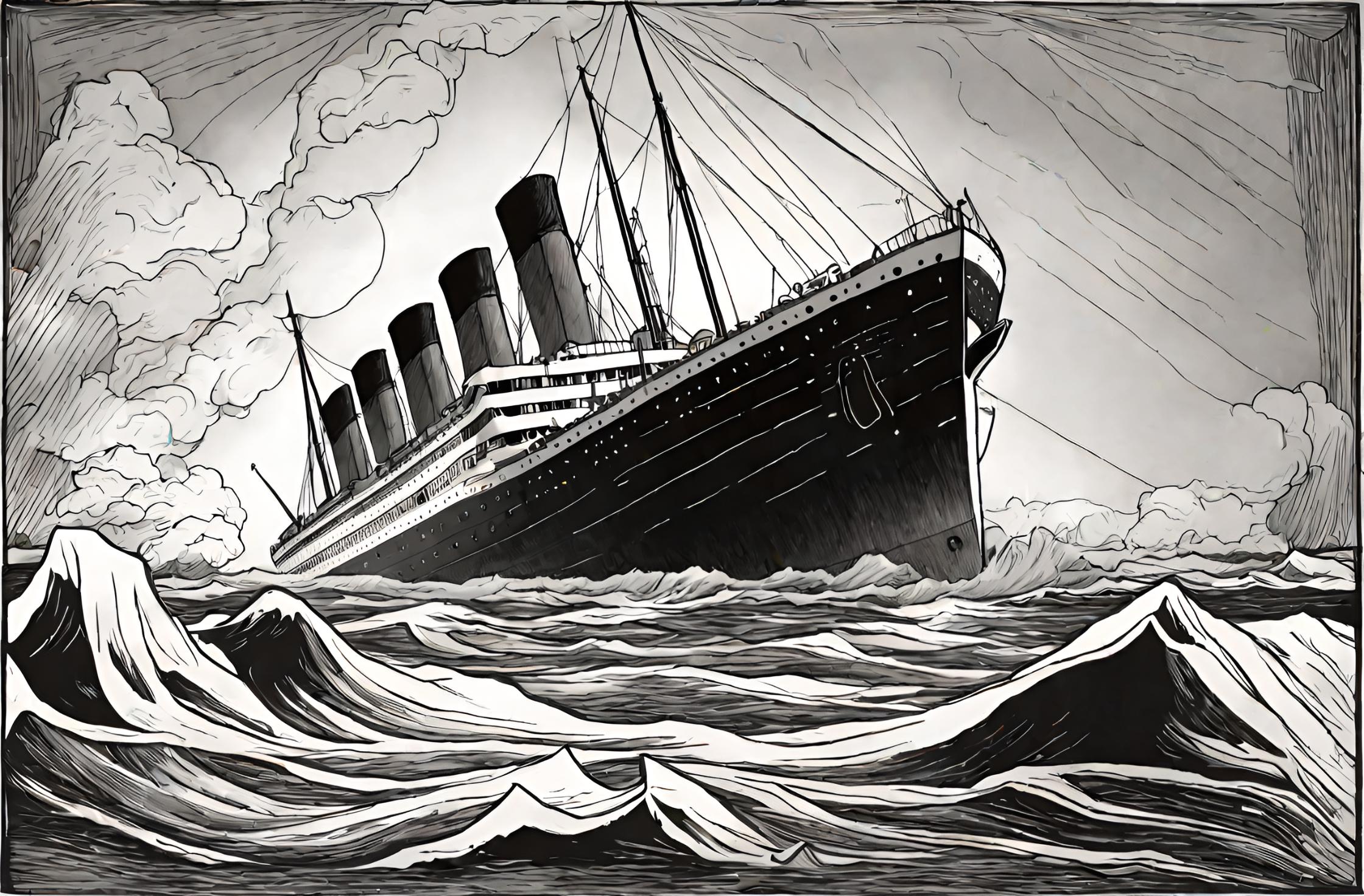
RMS Titanic sinks at…
On April 15, 1912,…
International Exposition opens in…
The International Exposition in…
Otto Brenner, German trade…
Otto Brenner, a prominent…
Ian Smith becomes premier…
On April 15, 1964,…
Earl G Andrßssy sentenced…
On April 15, 1851,…
The Bergen-Belsen concentration camp…
On April 15, 1945,…
