
Flashback to August 25
World History

The historical event of the United Nations troops recapturing Seoul from the North Koreans on September 26, 1950 stands as a landmark in the annals of conflict resolution. This momentous victory, coordinated by multinational forces under the auspices of the United Nations (UN), marked a significant reversal during the Korean War. The recovery of Seoul was pivotal to the region’s stability and highlighted the strength of unified global intervention.
As we delve into the incident, it’s important to underline that the Korean War started on June 25, 1950, when North Korea invaded South Korea. Seoul, the capital of South Korea and a strategic gem in the Korean Peninsula, was quickly seized by the North Koreans. But as the tides of war turned, United Nations forces successfully regained control of Seoul, reasserting South Korean sovereignty.
Moreover, the strategic importance of Seoul cannot be overlooked. Situated close to the 38th parallel that divided North and South, Seoul served as a symbol of power and control. Its location further enhanced its critical role in the ongoing war. Under North Korean rule, Seoul faced potential strategic alterations that could have vastly advantaged the Northern regime. Therefore, its recapture was tantamount to regaining a strong foothold in the war.
This major victory on September 26, 1950, was largely due to the efforts of the United Nations force, especially the United States and its military ally, South Korea. The U.S., under General Douglas MacArthur’s command, initiated the Inchon Landing—an ambitious amphibious invasion that caught the North Koreans by surprise. Undeniably, the recapture of Seoul served as a modeling example of efficient military strategy in action.
General MacArthur’s decision to redirect the focal point of the offensive to Inchon was bold and cunning. Unlike other potential landing points closer to the 38th parallel, Inchon was relatively undefended. By catching the North Korean forces off guard, the Inchon Landing enabled the UN forces to swiftly advance towards Seoul and eventually retake the city.
The September 26 recapture of Seoul was not only a pivotal military triumph for the UN forces, but also a cathartic moment for the South Korean nation. After three long months of North Korean occupation, the South Koreans regained their capital, reclaiming their home and symbol of national pride.
The sheer scale and implication of this event have immortalized it within the historical narrative of the Korean War. The recapture of Seoul vividly demonstrated the indispensable role of united international cooperation in tackling global conflict, reinforcing the importance of institutions like the United Nations.
The successful retaking of Seoul from the North Koreans helped swing the pendulum of the Korean War back towards equilibrium. It also reinforced the UN’s tenet of collective security, by showing that an international coalition could effectively bring about the resolution of a significant conflict. The event brought several nations together in a shared military goal, thus fostering a sense of global community and unity.
the recapture of Seoul is an integral component of the Korean War narrative, paying testament to the effective coordination of multinational forces under the United Nations. This key event paved the way for further strategic victories, marking a significant tipping point in the conflict. Remarkably, the retaking of Seoul on September 26, 1950, continues to resonate, serving as a stark reminder of the power of international unity in the face of profound challenges.
We strive for accuracy. If you see something that doesn't look right, click here to contact us!
 Contact Us
Sponsored Content
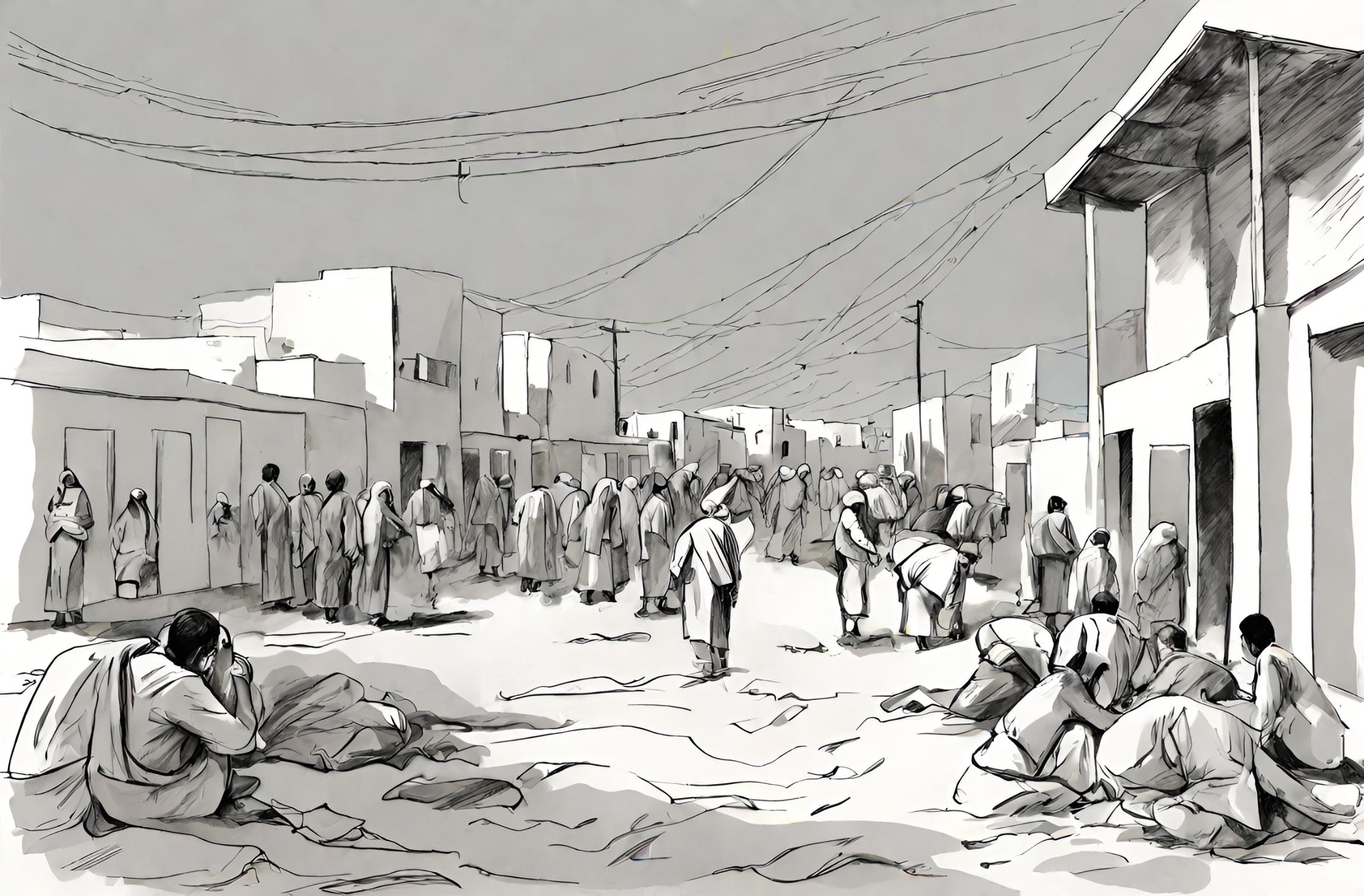
Afghanistan bomb kills 43…
The tragic bombing event…
The Kuomintang, the Chinese…
"Marking a pivotal moment…
In London, an Agreement…
"On August 25, 1939,…
Belarus declares independence from…
On August 25, 1991,…
United Nations security council…
On August 25, 1990,…
German commander of Paris,…
On August 25, 1944,…
