
Flashback to August 25
World History

The historic date of November 4, 1946, service as a momentous milestone for international cooperation and unity, as this is when the United Nations Educational, Scientific, and Cultural Organization (UNESCO) came to life. Intended to form a more inclusive and peaceful world, this specialized agency of the United Nations ambitiously sought to foster both intellectual solidarity and cooperation in the realms of education, science, and culture.
Today, UNESCO is recognized across the globe for its commendable efforts towards the building of peace, equitable and sustainable development, and intercultural dialogue. The creation of UNESCO was the UN’s direct response to the devastation and destruction of World War II, aiming to prevent such indescribable suffering and loss from recurring in future generations by advocating for peace, communication, and understanding between countries.
Building upon its fundamental goals to advocate for peace and cooperation, UNESCO gradually positioned itself towards global development, focusing mainly on helping nations build their capacities in the fields of education, science, culture, and information and communication. The strategic importance of global knowledge and shared efforts in these sectors cannot be overstated, and by honing the collective initiatives in such fields, UNESCO envisioned a world of enlightened and peaceful minds.
In the educational sector, UNESCO embarked on a journey to holistically improve and enhance the existing educational structures around the world. With an aim to ensure inclusive and equitable quality education and promote lifelong learning opportunities for all, UNESCO strived to fill every corner of the world with knowledgeable, aware, and intellectually mature civilians. The objective was to cultivate analytical minds capable of contributing to the betterment of society not just locally, but on a worldwide level.
Scientific cooperation is another pillar of UNESCO’s objectives, as the organization believed that a shared understanding of the scientific world can transcend borders, building bridges between nations that would promote peace and development. Advancing knowledge about our environment, managing natural resources sustainably, and endorsing science policies and programs have been some of UNESCO’s significant contributions in this realm.
On the cultural front, UNESCO asserted that respect for cultural diversity and a commitment to fostering multicultural understanding are the foundations of peace and sustainable development. Initiatives like the World Heritage Sites, preserving world culture and history, have helped UNESCO safeguard the heritage of humanity, successfully reminding us of our shared past, present, and future.
The formation of UNESCO serves as a beacon of hope for increased international collaboration, driving our world towards a more peaceful and sustainable future. Its creation on November 4, 1946, has significantly contributed to the positive transformation of our global community.
Having said that, the formation of UNESCO doesn’t merely mark the inception of another UN agency. Instead, it ushers in a new era of worldwide intellectual and cultural cooperation. The birth of UNESCO on that historic November day back in 1946 paved the way for concerted global action towards peace, education, sustainable development, and intercultural awareness.
Therefore, as we celebrate the establishment of UNESCO, we also honor the fundamental principles it stands for: peace, cooperation, and unity. The formation of the United Nations Educational, Scientific, and Cultural Organization (UNESCO) underlines the significance of intellectual cooperation, cultural exchanges, and shared knowledge in fostering global peace and development. As we look back at the historic moment of this formation, we find renewed hope in collective global efforts, propelling us towards a future where sustainable development, education, and peace are not just goals but achievable realities.
We strive for accuracy. If you see something that doesn't look right, click here to contact us!
 Contact Us
Sponsored Content
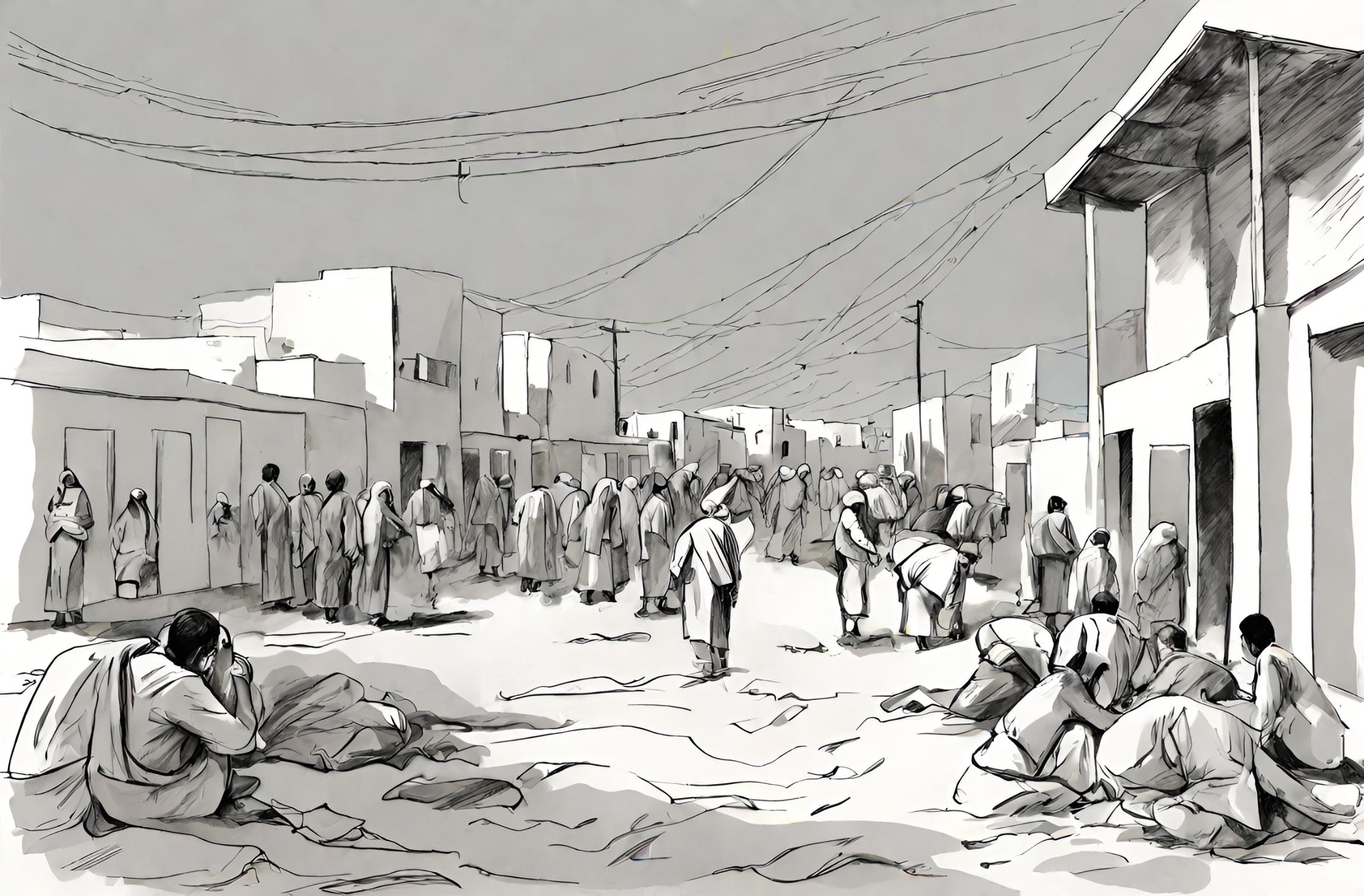
Afghanistan bomb kills 43…
The tragic bombing event…
The Kuomintang, the Chinese…
"Marking a pivotal moment…
In London, an Agreement…
"On August 25, 1939,…
Belarus declares independence from…
On August 25, 1991,…
United Nations security council…
On August 25, 1990,…
German commander of Paris,…
On August 25, 1944,…
