
Flashback to July 27
American History
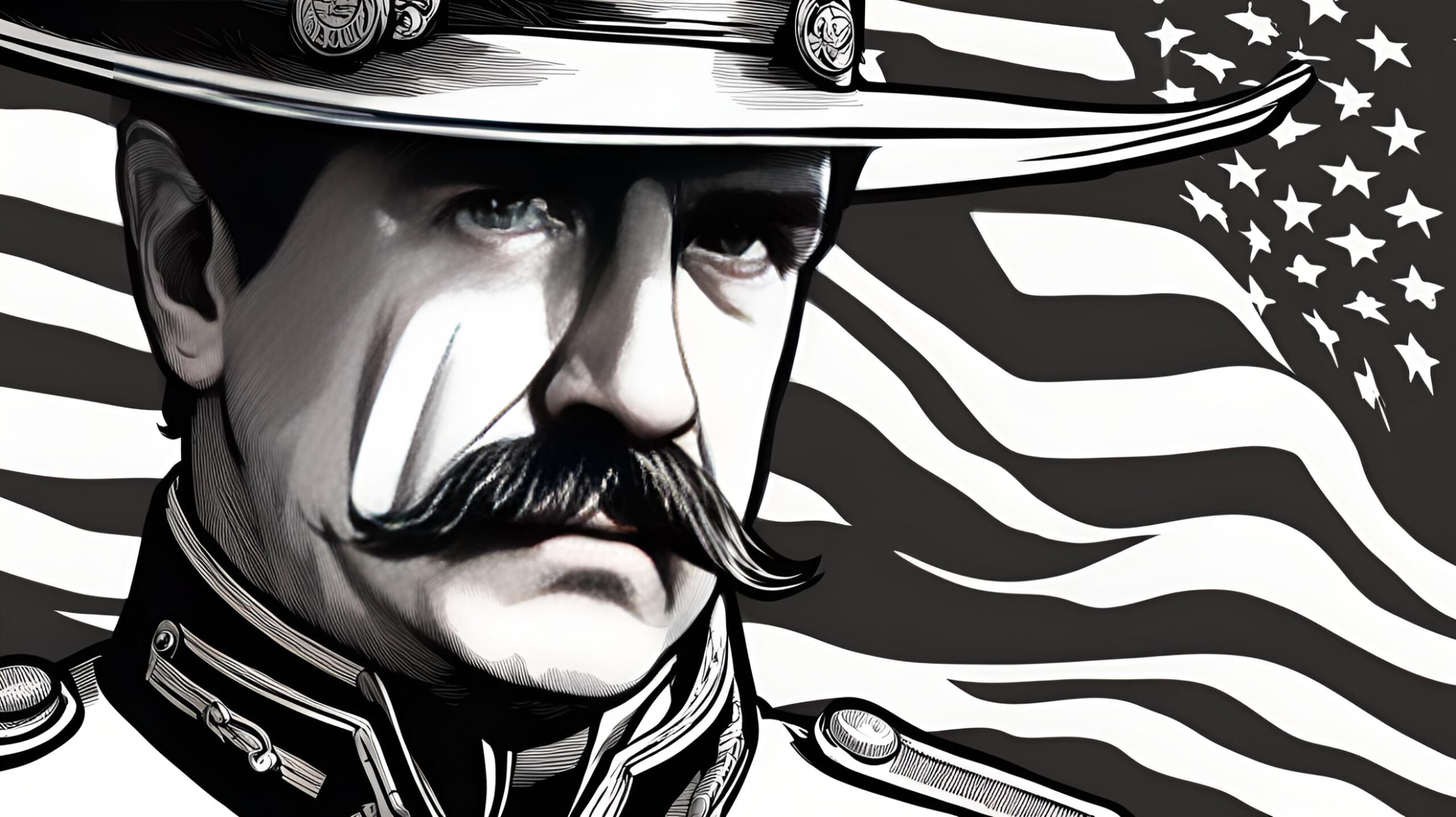
On July 27, 1861, a significant event occurred during the American Civil War. Union General George McClellan took command of the Potomac Army, a turning point in the war. This event marked the beginning of a new era for the Union forces, bringing hope and strategic leadership to the Northern troops. Let’s dive into the details of this event and explore its impact on the Civil War.
General George McClellan was a West Point graduate who had gained significant military experience before the Civil War. He played crucial roles in the Mexican-American War and the exploration of the American West. McClellan’s strategic thinking and leadership qualities earned him a reputation as one of the most promising military officers in the Union army.
When McClellan assumed command of the Potomac Army, he faced several challenges. The Union forces had suffered a series of demoralizing defeats, and the Confederate army seemed to be gaining momentum. McClellan’s main objective was to improve the army’s organization, discipline, and morale while implementing effective strategies to counter the Confederate forces.
One of the first actions McClellan took in assuming command was to assess the conditions and capabilities of the Potomac Army. He quickly identified the need for rigorous training and discipline among the troops. Under his leadership, the soldiers underwent intense drilling, transforming them into a more formidable fighting force.
McClellan also recognized the importance of intelligence gathering. He established an effective network of spies and scouts to gather vital information about Confederate positions and movements. This intelligence would prove crucial in shaping McClellan’s strategy and decision-making throughout the war.
Perhaps one of McClellan’s most significant achievements was his ability to instill confidence in his troops. He cared deeply for the well-being of his soldiers and actively worked to improve their conditions. McClellan made sure that the troops received adequate food, clothing, and medical care. This focus on logistics and welfare significantly boosted morale among the soldiers.
One of the major military campaigns under McClellan’s command was the Peninsula Campaign. This operation aimed to capture Richmond, the Confederate capital, by advancing up the Virginia Peninsula. Despite initial success, the campaign ultimately ended in failure for the Union forces, largely due to McClellan’s cautious approach and reluctance to commit fully to battle.
The Peninsula Campaign exposed some weaknesses in McClellan’s leadership style. His tendency to overestimate the size of Confederate forces and his reluctance to take bold risks frustrated President Abraham Lincoln and other Union leaders. This criticism eventually led to McClellan’s removal from command in November 1862.
Despite the eventual end to McClellan’s tenure as commander of the Potomac Army, his contributions during his time in command cannot be overlooked. McClellan’s efforts to reorganize and train the troops, his emphasis on intelligence gathering, and his focus on logistics and morale were all instrumental in preparing the Union forces for future victories.
We strive for accuracy. If you see something that doesn't look right, click here to contact us!
 Contact Us
Sponsored Content
Union General George McClellan…
On July 27, 1861,…

Watergate Scandal: The House…
On July 27, 1974,…
G Van Biesbroeck discovers…
On July 27, 1933,…
House Judiciary Committee votes…
The House Judiciary Committee…
K Reinmuth discovers asteroid…
On July 27, 1933,…
Ray Brennan becomes first…
On July 27, 1976,…
