
Flashback to June 5
American History

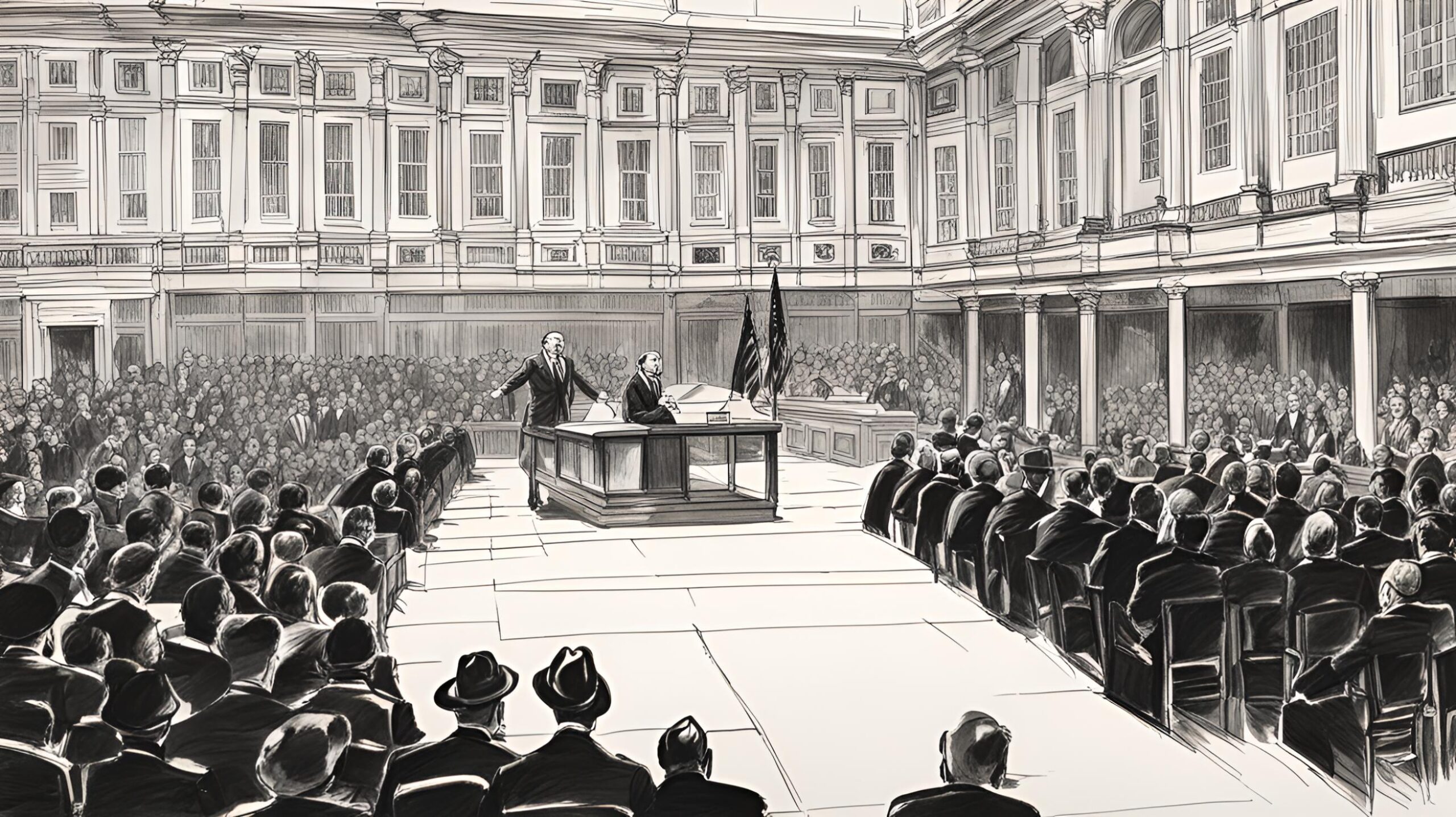
The political landscape in the United States underwent a significant shift on June 5, 2001, as U.S. Senator Jim Jeffords from Vermont made the momentous decision to leave the Republican Party. With this act, control of the United States Senate shifted from the Republicans to the Democratic Party. This unexpected turn of events had far-reaching implications and marked a turning point in American politics.
Prior to Senator Jeffords’ departure, the Senate was evenly divided, with the Republicans having a slim majority due to Vice President Dick Cheney’s tie-breaking vote. However, Senator Jeffords’ decision to become an independent and caucus with the Democrats tipped the balance of power in favor of the Democrats. This shift handed control of committee chairmanships and legislative agenda setting to the Democrats, fundamentally altering the dynamics of the Senate.
Senator Jeffords’ decision was driven by disagreements with the Republican Party’s leadership and its increasingly conservative agenda. Throughout his career, Jeffords positioned himself as a moderate Republican, often crossing party lines to collaborate with Democrats on key issues. However, he felt increasingly alienated within the party and saw his departure as a way to maintain his core beliefs and promote his vision for a more centrist and inclusive government.
This act of political realignment sent shockwaves through Washington, D.C. and garnered significant media attention. The departure of a sitting senator from the majority party was an unprecedented move, highlighting the growing polarization in American politics. It also underscored the challenges faced by centrist politicians who navigate the increasingly partisan landscape.
The shift in Senate control had immediate consequences for legislative priorities and policy-making. With the Democrats in the majority, they gained control of key committees and the power to advance their agenda. This newfound power allowed them to shape legislation, appoint committee chairs, and conduct oversight on the executive branch. It also gave them the ability to block or stall Republican initiatives, creating a significant obstacle for President George W. Bush and the Republican Party.
One of the notable impacts of this power shift was the passage of the No Child Left Behind Act. This education reform legislation, signed into law in 2002, aimed to improve accountability and standards in American schools. It was a bipartisan effort, but the change in Senate control played a role in its passage, as Democrats had greater influence and could shape the legislative process.
Another notable consequence was the increased scrutiny and oversight of the Republican administration’s policies. Democrats held hearings and investigations on a range of issues, including the Iraq War and the handling of Hurricane Katrina. The change in control brought a new level of accountability and checks on the executive branch.
The reverberations of Senator Jeffords’ decision were felt beyond his own state and the Senate chamber. It highlighted the growing ideological divide within the Republican Party and foreshadowed the challenges faced by moderate Republicans in navigating the increasingly partisan political landscape. It also served as a wake-up call for both major parties, forcing them to reassess their strategies and priorities.
U.S. Senator Jim Jeffords’ decision to leave the Republican Party on June 5, 2001, and caucus with the Democrats had a profound impact on American politics. It shifted control of the United States Senate from the Republicans to the Democrats, fundamentally altering the power dynamics and legislative agenda. This unprecedented move showcased the growing polarization in American politics and the struggles faced by centrist politicians. The consequences of Senator Jeffords’ decision were felt in legislation, policy-making, and the broader discourse surrounding American governance.
We strive for accuracy. If you see something that doesn't look right, click here to contact us!
 Contact Us
Sponsored Content
Marshall Plan: At a…
On June 5, 1947,…
J Palisa discovers asteroid…
On June 5, 1885,…
A strike begins at…
On 6/5/1998, a strike…
US Federal court rules…
On June 5, 1956,…
First synthetic rubber tire…
On June 5, 1940,…
US Senator Jim Jeffords…
On June 5, 2001,…
