
Flashback to April 17
American History
1980
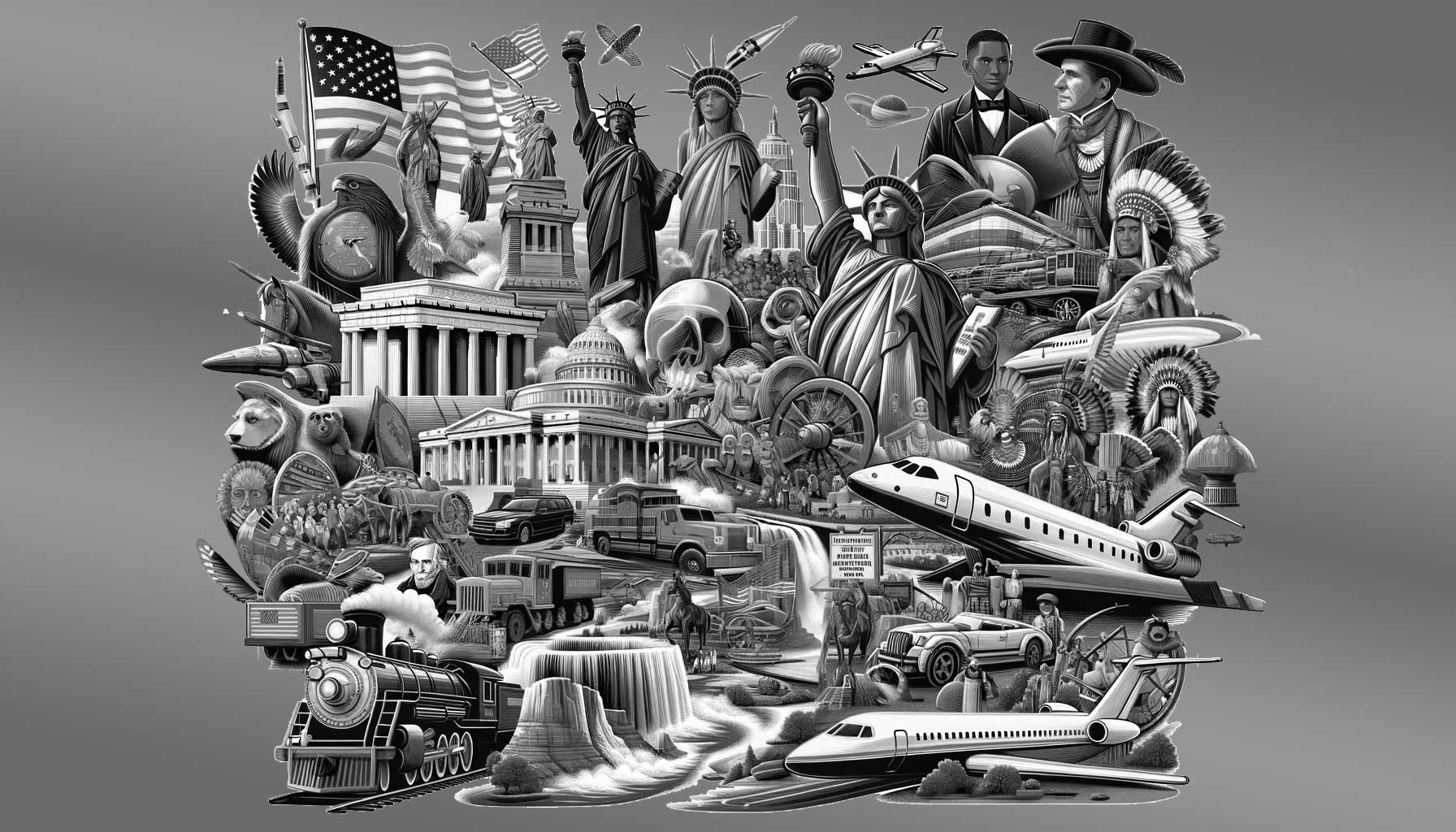
Republican challenger and former California Governor Ronald Reagan defeats incumbent Democratic President Jimmy Carter in a landslide victory
Read moreIn the annals of American history, one date is forever etched with significance and that is November 4, 1980 – the day of the U.S. presidential election. This day saw, in what was nothing short of a political earthquake, Republican challenger and former California Governor Ronald Reagan defeating incumbent Democratic President Jimmy Carter in a landslide victory.
The election of 1980 was a formidable struggle between two heavyweight politicians. On one side, we had Jimmy Carter, the Democratic titan and incumbent U.S. President up for re-election. Carter was a veteran in the political arena, a man known for his resilience and down-to-earth charm. On the other side of the ring stood Ronald Reagan, the charismatic Republican challenger who had previously served as the Governor of California.
Reagan was a maverick, a powerful force in the Republican Party and a skilled communicator who managed to stir up American sentiment with his compelling narrative. It was his magnetic appeal that led to an unprecedented surge in popularity, eventually resulting in his overwhelming victory.
The 1980 U.S. presidential election was not merely a political battle but also a fundamental shift in the paradigm of American politics. Reagan’s landslide victory paved the way for the emergence of a newfound conservative momentum that would redefine the political landscape of the United States for years to come.
A closer look at the electoral process that led to Reagan’s spectacular win reveals an intriguing mosaic of factors at play. Reagan’s campaign was characterized by its masterful orchestration and strategic messaging, which resonated with wide sections of the American populace. The crux of his appeal lay in his promise to restore faith in the American dream, to streamline the economy, and reduce government interference. He also espoused a strong stance on foreign affairs, vowing to restore America’s standing in the international community.
On the other hand, President Carter’s campaign suffered from a lack of enthusiasm and momentum. Despite being the incumbent, Carter’s term in office was marked by economic downturn and international crises that tainted his reputation. The American public, looking for a fresh start, began to turn their gaze towards the charismatic Republican nominee who promised change and prosperity.
Reagan’s mass appeal was not just limited to the public. He managed to garner significant support from across the political spectrum, endorsing a brand of conservatism that was both palatable and inclusive. His message was simple yet persuasive: a renewal of American values, patriotism, and ethic of hard work – all of which struck a chord with the electorate.
Though tagged as the underdog, Reagan’s campaign refused to be overshadowed by the aura of the incumbent President. The Republican challenger capitalized on the prevailing dissatisfaction with Carter’s administration, positioning himself as a beacon of hope amidst an environment of political pessimism.
Reagan’s landslide victory in the 1980 U.S. presidential election was an uphill battle fought with determination, charisma, and strategic intelligence. It marked the end of an era and heralded the onset of a new political reality dominated by conservatism.
In retrospect, the electoral duel between Carter and Reagan paints a compelling picture of a watershed moment in American history. The election saga of 1980 stands testament to the inherent dynamism of the US democratic process, where a robust challenger can unseat a powerful incumbent. To this day, the Ronald Reagan presidency remains etched in the annals of American history as a seminal electoral triumph – a symbol of conservative resurgence and political transformation.
We strive for accuracy. If you see something that doesn't look right, click here to contact us!
 Contact Us
Sponsored Content
Apollo program: The ill-fated…
The ill-fated Apollo 13…
Mark W Clark, US…
Mark W Clark, US…
Daniel Smith Donelson Confederate…
Daniel Smith Donelson, a…
