
Flashback to April 16
World History
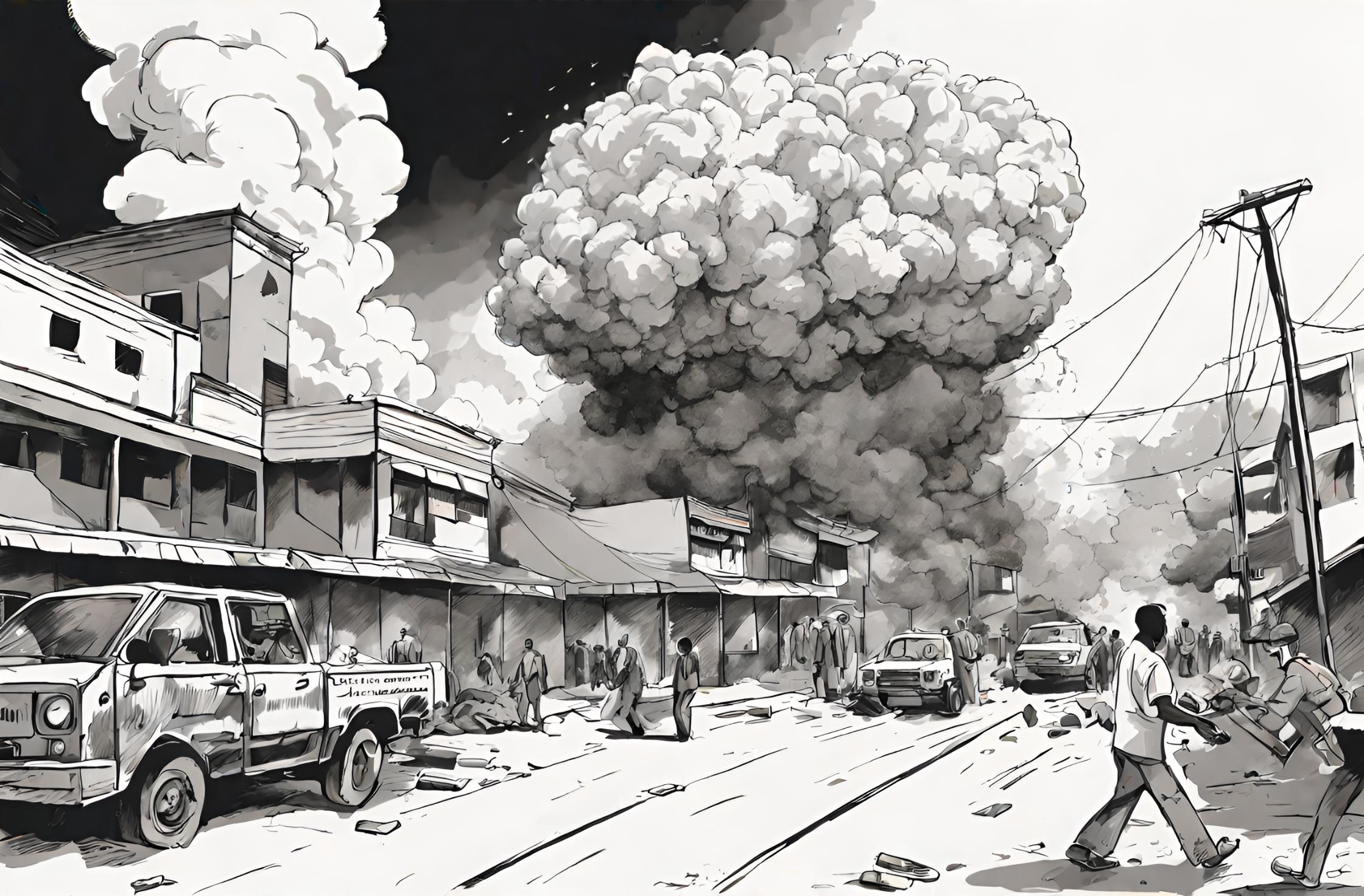
On July 11, 2010, tragedy struck the Ugandan capital of Kampala as two bombs exploded, resulting in the death of 74 people and leaving 70 injured. The bombings were targeted at football fans who were gathered to watch the World Cup final at a popular rugby club and an Ethiopian restaurant. This horrifying event sent shockwaves throughout the country and the world, leaving a lasting impact on the local community.
The bombings took place during a time of celebration and joy, as football fans eagerly awaited the climax of the World Cup. However, the moment was shattered when a series of explosions occurred. The first bomb went off at the Kyadondo Rugby Club, a popular gathering place for sports fans, where a large crowd had gathered to watch the championship match. The second bomb exploded shortly after, at the Ethiopian Village restaurant.
The motives behind these attacks were rooted in terrorism, with the Al-Shabaab extremist group claiming responsibility. Al-Shabaab, an Islamist militant group based in Somalia, had a history of targeting countries that contributed troops to the African Union Mission in Somalia (AMISOM). Uganda, being a prominent member of AMISOM, became a prime target for the group’s violent agenda.
The aftermath of the bombings was devastating. The death toll of 74 included both Ugandan citizens and foreigners, highlighting the indiscriminate nature of such acts of terror. Many of the injured suffered severe burns, shrapnel wounds, and other life-threatening injuries, while others faced the trauma of witnessing the tragic event unfold.
In response to the bombings, the Ugandan government declared a state of emergency and launched a thorough investigation to bring those responsible to justice. Security was tightened across the country, with increased vigilance at public places and stricter regulations for public gatherings. The Ugandan people rallied together to support the victims and their families, demonstrating resilience and unity in the face of adversity.
The international community also offered their support and condolences to the people of Uganda. World leaders condemned the attacks, expressing solidarity and pledging assistance in the fight against terrorism. The African Union, United Nations, and other organizations provided financial aid and technical support to help Uganda rebuild and strengthen its security measures.
The repercussions of this tragic event extended far beyond the immediate loss of lives and injuries. It had a profound effect on the psyche of the Ugandan people, with fear and grief lingering long after the physical scars healed. The bombings served as a reminder of the ongoing global threat of terrorism and the need for international collaboration to combat such atrocities.
Despite the dark cloud that the bombings cast over Kampala, the city and its people showed incredible resilience in the aftermath. They refused to be defined by this act of terror and took steps towards healing and moving forward. Memorials were erected to honor the victims, and a sense of unity and solidarity emerged as the people of Kampala refused to let fear divide them.
The bombings in Kampala on July 11, 2010, left an indelible mark on the city and its people. The loss of innocent lives and the injuries sustained in these reprehensible attacks serve as a reminder of the ongoing global threat of terrorism. However, the resilience and determination displayed by the Ugandan people show that they will not be defeated by acts of hate and violence. Instead, they have chosen to honor the victims, stand united, and work towards a better and safer future.
We strive for accuracy. If you see something that doesn't look right, click here to contact us!
 Contact Us
Sponsored Content

USSR performs atmospheric nuclear…
On April 16, 1957,…
Two giant pandas (Ling-Ling…
On April 16, 1972,…
The University of Münster…
On April 16, 1780,…
US troops land on…
On April 16, 1945,…
Spanish conquistador Hernando de…
On April 16, 1582,…
Jacques Cassini French astronomer…
Jacques Cassini, renowned French…
