
Flashback to August 28
American History
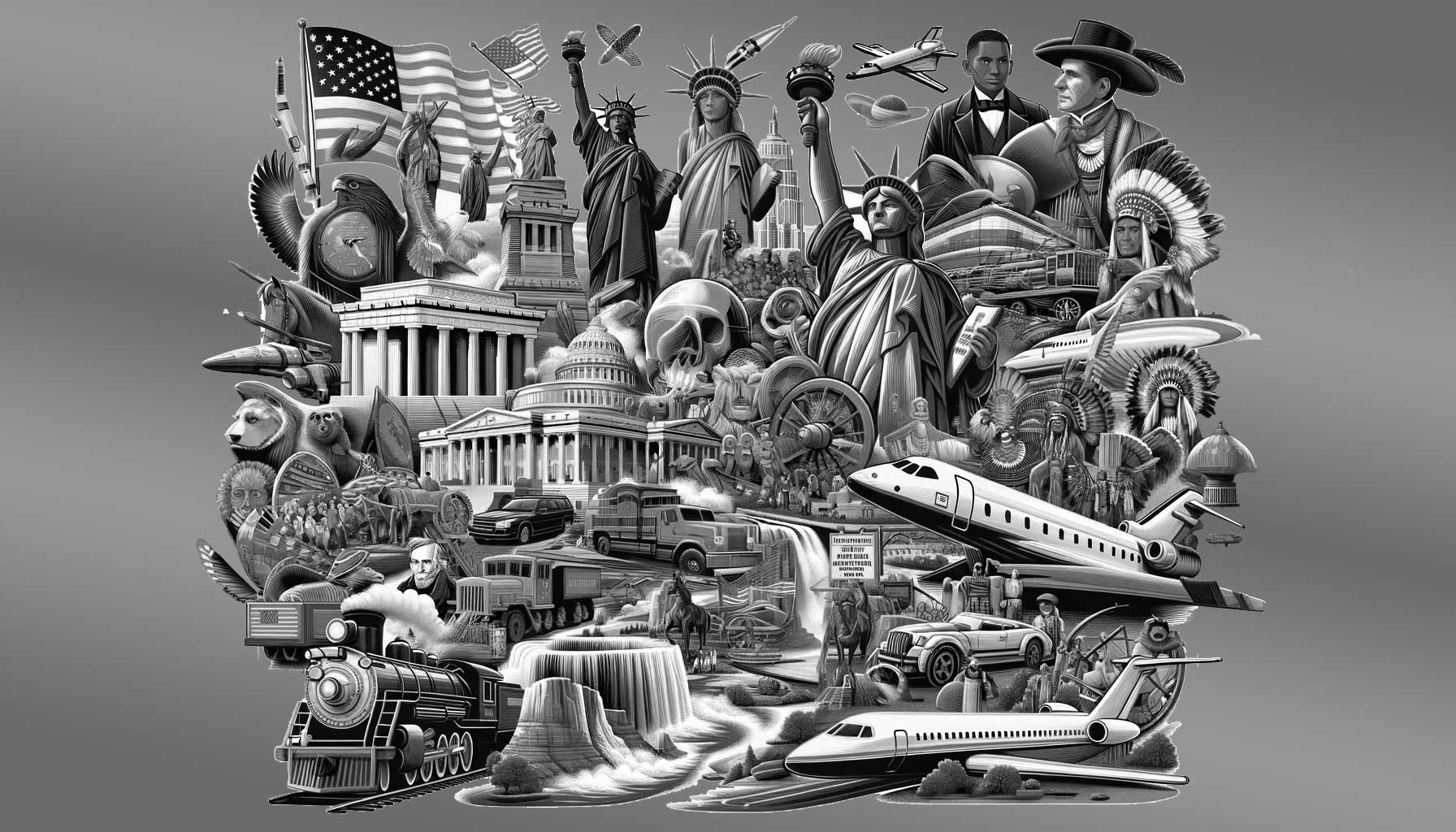
On October 1, 1949, a significant event transpired that reshaped the geopolitical landscape – the US suspended diplomatic relations with China. As distant as this occurrence may seem in the folds of history, its impact continues to echo through the corridors of international diplomacy and bilateral relations. Understanding the factors that precipitated this drastic step, its consequent implications, and the enduring effects, is indispensable to assessing modern-day US-China relations.
The roots of the US decision to cut off diplomatic ties with China trace back to the throes of the Chinese civil war. The communist forces led by Mao Zedong emerged victorious against the nationalist Kuomintang led by Chiang Kai-shek. Given the fervor of the Cold War era, the US considered the communist triumph as a threat to its democratic values. The US, aligned with its strategic stance, therefore, decided to suspend diplomatic relations with China.
The US-China diplomatic freeze had far-reaching implications. For starters, it signified a critical realignment of US allegiances in Asia, making an enemy out of a country that was a wartime ally less than five years before. It also fueled the escalating tensions between the US and USSR, turning the Cold War chillier.
Without formal diplomatic relations, the two countries entered into an era of mutual estrangement. This period was marked by a lack of formal dialogue, intensifying suspicion, and the escalation of adversarial dynamics. It was an era characterized by a rigid policy framework, rigid public perceptions, and an overall atmosphere of heightened ideological confrontation.
Several prominent consequences arose from the suspension of diplomatic ties. The lack of diplomatic relations drastically restricted avenues for constructive and peace-building dialogues between two of the world’s largest powers. Issues of mutual concern, such as nuclear non-proliferation and global economic development, were adversely affected due to this absence of bilateral cooperation.
In practical terms, trade and exchange of goods, services, and ideas hit a standstill. Chinese goods lost access to the world’s largest consumer market, while American businesses were cut off from one of the rapidly growing markets. In a world striding towards globalization, the diplomatic estrangement significantly curtailed the potential mutual economic benefits.
The decision to suspend diplomatic relations with China also had long-term repercussions on the geopolitical front. It directly affected long-standing conflicts such as the Taiwan issue and the Korean War, both of which are still unresolved today. These issues were amplified further with the absence of a formal diplomatic communication line between China and the US.
Notwithstanding these implications, the US-China relationship has significantly transformed since 1949. After a long hiatus of 30 years, the US finally re-established diplomatic ties with China in 1979 under Jimmy Carter’s presidency. However, the scars of this lengthy diplomatic estrangement impact present US-China relations.
From trade wars to disputes over technology, human rights issues, and military activities in the South China Sea, the ghosts of the 1949 diplomatic freeze are still inextricably linked to current-day tensions.
In the case of the US suspension of diplomatic ties with China, the past is indeed alive in the present. As we navigate the complex terrain of international relations today, it is crucial to be cognizant of this historical context. Only then can we glean a comprehensive understanding of the US-China relations dynamics and devise practical, effective strategies for fostering a more harmonious geopolitical landscape.
We strive for accuracy. If you see something that doesn't look right, click here to contact us!
 Contact Us
Sponsored Content
200,000 demonstrate for equal…
"An historic event took…
Martin Luther King, Jr.…
On August 28, 1963,…
First known photograph of…
"Experience the remarkable tale…
A drunk motorman speeds…
Experiencing one of its…
Riots in Chicago, Illinois,…
Explore the dramatic unfolding…
John Hinckley Jr pleads…
"On August 28, 1981,…
