Flashback to November 29
World History
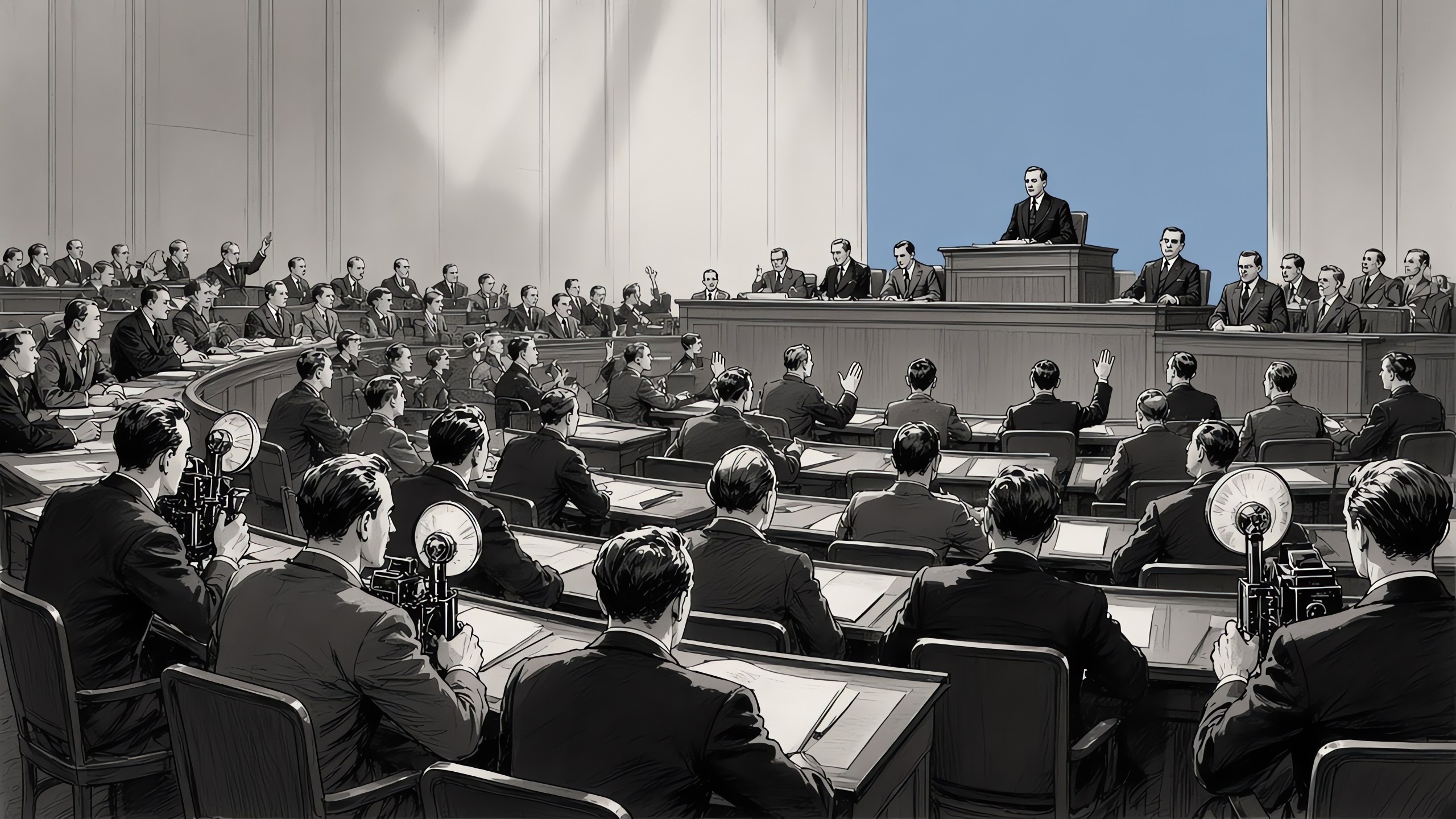
On November 29, 1947, the General Assembly of the United Nations voted to recommend the partition of British-ruled Palestine into two independent states, one Jewish and one Arab, with the city of Jerusalem placed under an international regime. The vote, held at the UN’s temporary headquarters at Flushing Meadow in New York, was 33 in favor, 13 against and 10 abstaining. The decision, known as Resolution 181, shaped the history of the region for the rest of the century.
Britain had governed Palestine under a League of Nations mandate since the end of the First World War. During those years, tensions between the Arab majority and a growing Jewish community, swelled by immigration from Europe, repeatedly erupted into violence. After the Second World War and the Holocaust, pressure for a Jewish state grew, while Arab leaders insisted on an independent Palestine with an Arab majority. In early 1947 Britain, worn down by the conflict, handed the question to the United Nations.
The UN set up a Special Committee on Palestine, which visited the region and in September 1947 recommended, by a majority of its members, that the territory be divided. Its plan called for the end of the mandate, the withdrawal of British forces by August 1948, an economic union between the two new states, and a special international status for Jerusalem and Bethlehem because of their importance to three faiths.
The plan was debated for weeks in the General Assembly, and a two-thirds majority was needed for adoption. Both the United States and the Soviet Union supported partition, a rare moment of agreement at the start of the Cold War. Britain abstained, saying it would not enforce a solution that both sides did not accept. Arab states, joined by several other countries, voted against.
Reactions to the result were immediate and opposite. In Jewish communities in Palestine and abroad, crowds celebrated in the streets, and the Jewish Agency, led by David Ben-Gurion, accepted the plan. The Arab Higher Committee and the Arab League rejected it, arguing that it violated the right of the Arab majority to decide the country’s future.
The resolution was never carried out as written. Fighting broke out in Palestine within days and grew into a civil war over the following months. When the mandate ended, Ben-Gurion declared the State of Israel on May 14, 1948, and the armies of several Arab states entered the conflict. By the time armistice agreements were signed in 1949, Israel held more territory than the plan had assigned it, and the proposed Arab state had not come into being.
The war also produced a vast refugee crisis. Hundreds of thousands of Palestinian Arabs fled or were driven from their homes, an event Palestinians remember as the Nakba, or catastrophe. Jerusalem was divided between Israel and Jordan rather than placed under international rule.
Resolution 181 remains one of the most debated decisions in the history of the United Nations. Israel cites it as international recognition of a Jewish state, and the Palestinian leadership referred to it in its 1988 declaration of independence. In 1977 the UN chose the anniversary of the vote as the date for its annual International Day of Solidarity with the Palestinian People.
We strive for accuracy. If you see something that doesn't look right, click here to contact us!
 Contact Us
Sponsored Content
The UN General Assembly…
On November 29, 1947,…
Crew of the British…
On November 29, 1781,…
Jorn Utzon, Danish architect…
Jorn Utzon, the Danish…
Russian aircraft bomb Chechen…
On November 29, 1994,…
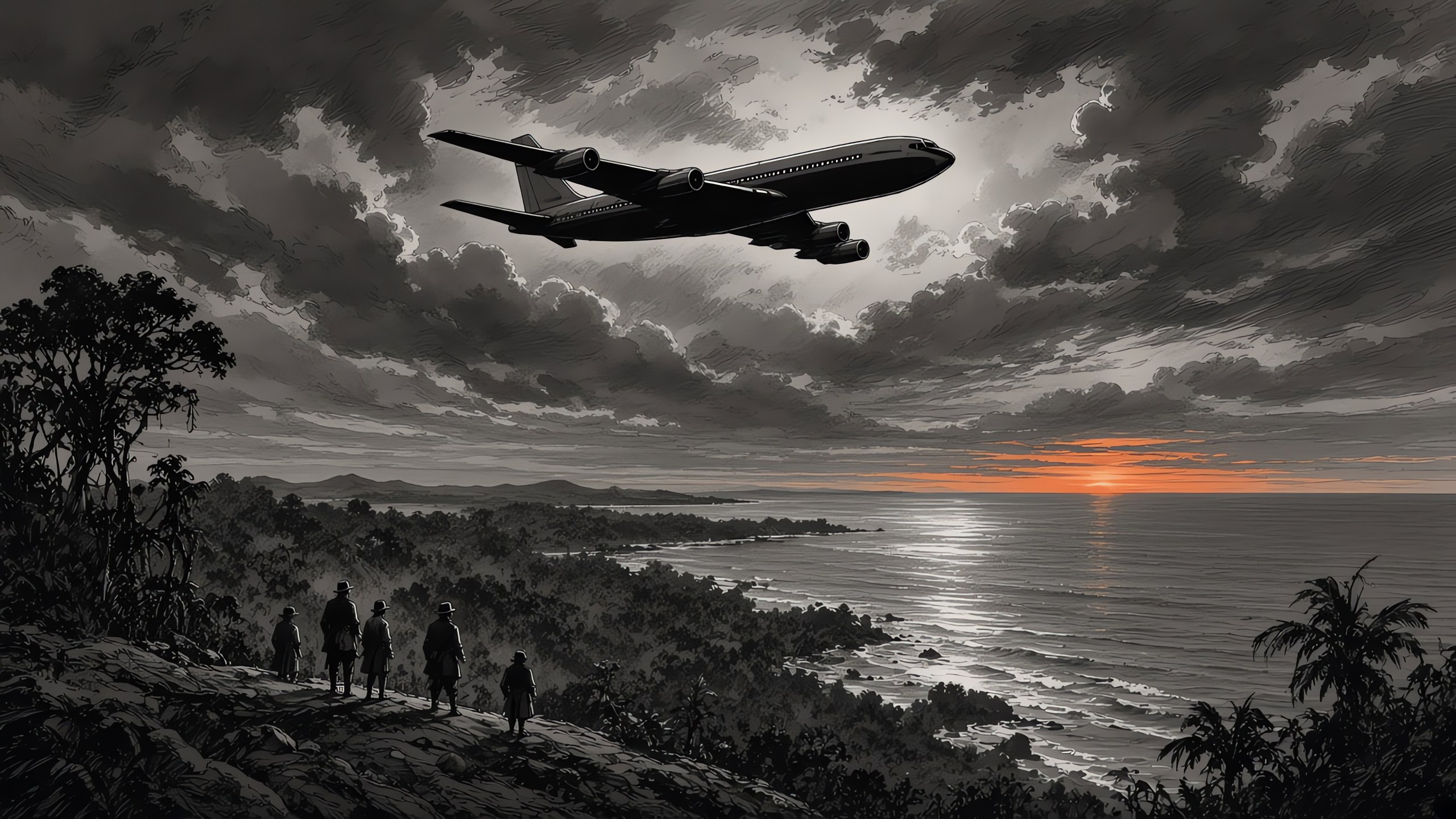
Korean Air Flight 858…
On November 29, 1987,…
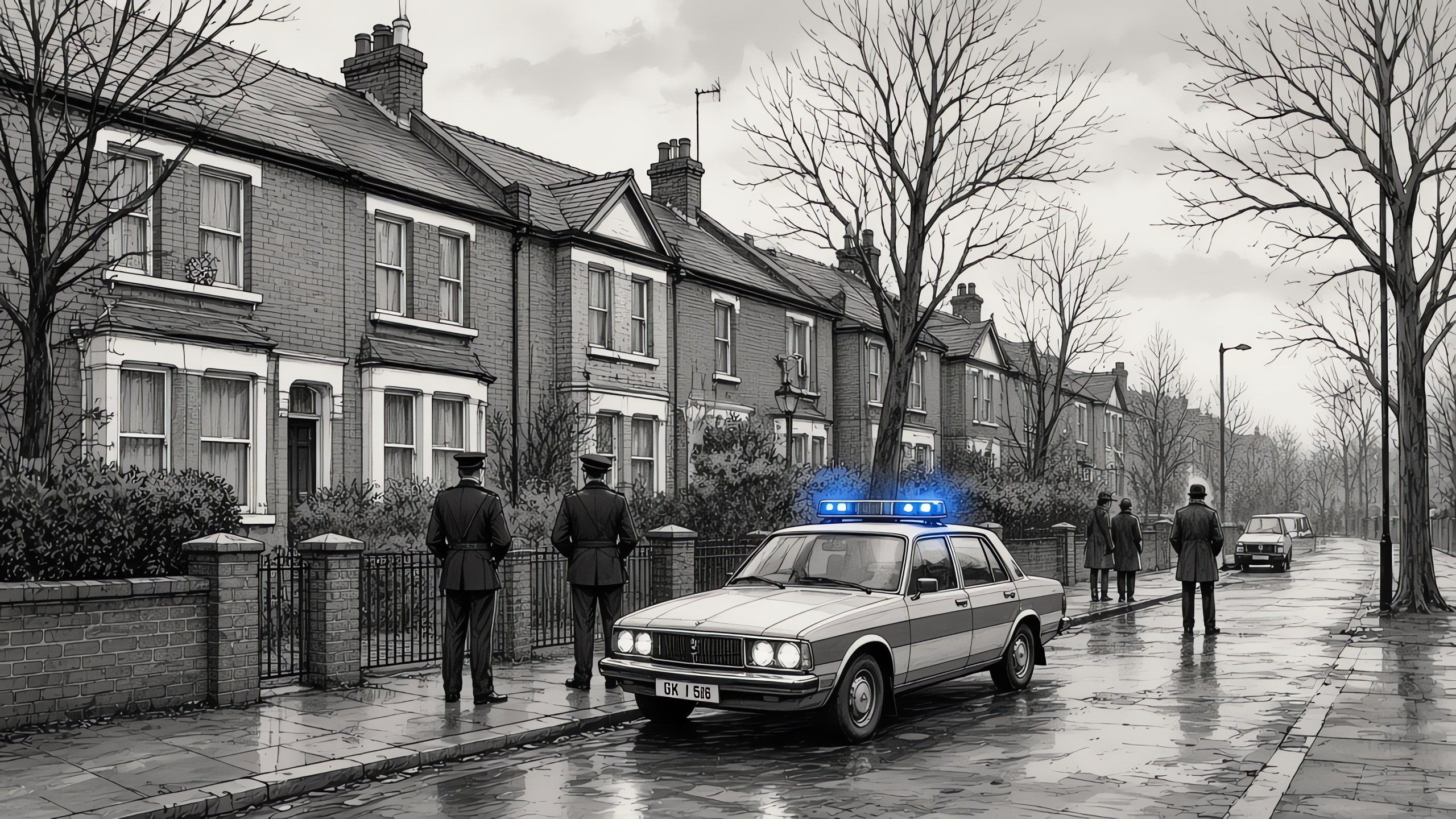
Gerard Hoarau, exiled political…
On November 29, 1985,…