
Flashback to April 6
World History
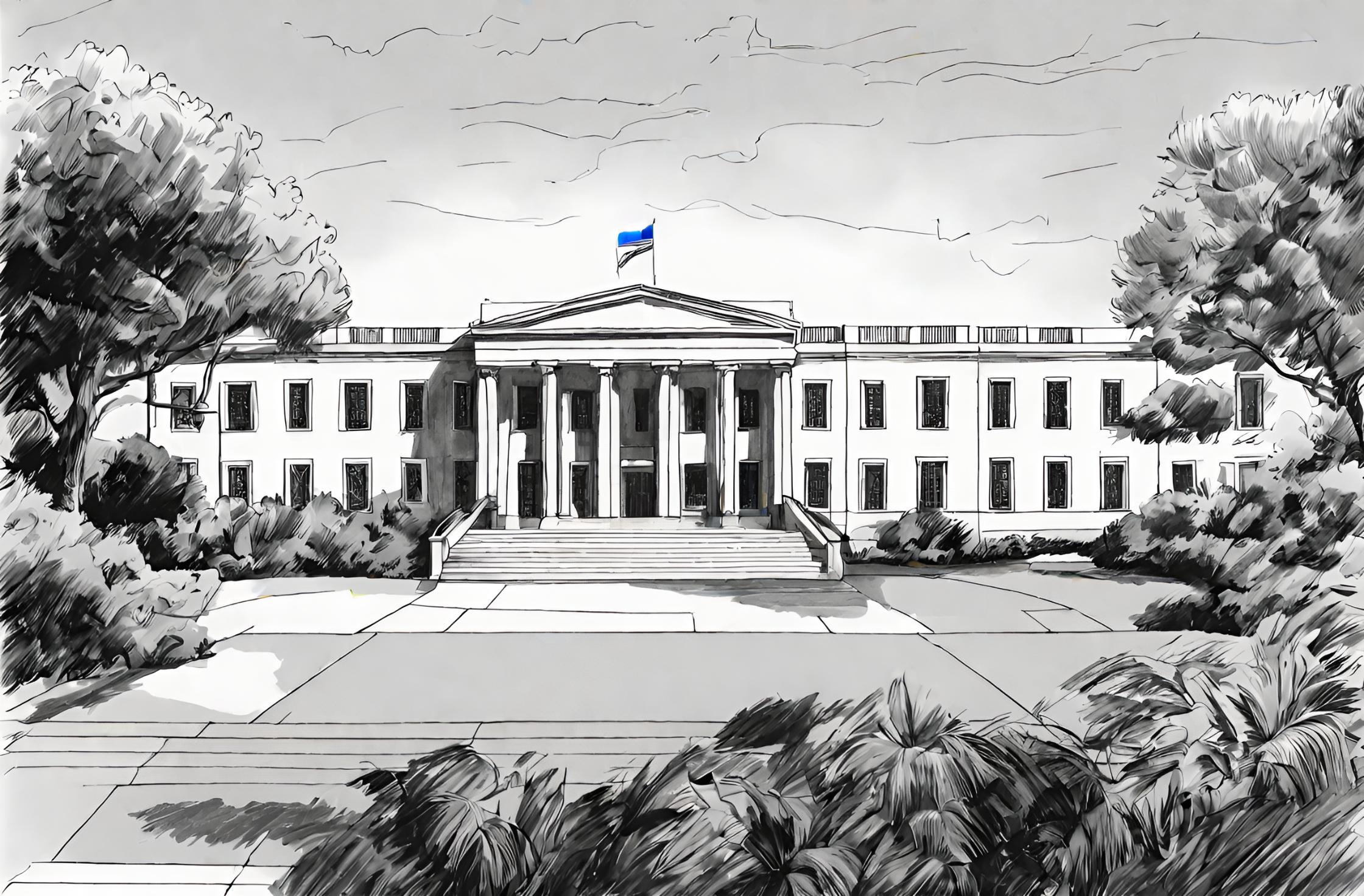
On February 15, 1996, a shocking event unfolded in Athens, Greece, as the U.S. Embassy came under mortar fire. This nefarious act of violence sent shockwaves across the globe, highlighting the ongoing threats faced by diplomatic missions and the need to ensure their security. In this article, we will delve into the details of the incident and its aftermath, shedding light on the implications it had on diplomatic relations and security measures.
The attack on the U.S. Embassy in Athens was attributed to a far-left Greek terrorist group, known as Revolutionary Cells. Two mortar shells were fired towards the embassy compound, with one exploding on the roof and causing significant damage to the building. Thankfully, there were no casualties reported, as the attack happened during the early morning hours when the embassy was unoccupied.
The incident was met with outrage and condemnation from around the world, with countries reaffirming their commitment to protecting diplomatic missions. The U.S. government, along with the Greek authorities, swiftly launched an investigation to identify and apprehend the individuals responsible for this act of terrorism.
The attack on the U.S. Embassy in Athens raised serious concerns about the security of diplomatic missions, especially in countries where political unrest and terrorism posed a threat. Governments around the world began reassessing their security protocols and implementing stricter measures to safeguard their embassy staff and premises. This incident served as a wake-up call, highlighting the vulnerability of diplomatic missions and the need for increased vigilance.
In response to the attack, the U.S. government took immediate action to reinforce security at its diplomatic missions worldwide. This included the deployment of additional security personnel, the implementation of enhanced screening procedures, and the installation of advanced surveillance equipment. The aim was to deter future attacks and ensure the safety of embassy personnel.
Furthermore, the attack on the U.S. Embassy in Athens prompted international collaboration in combating terrorism. Intelligence agencies from various countries joined forces to share information and intelligence, working towards preventing similar incidents in the future. This incident highlighted the importance of global cooperation in addressing the challenges posed by terrorism.
The impact of the attack on diplomatic relations between the United States and Greece was significant. Both countries condemned the act of terrorism and reiterated their commitment to maintaining strong bilateral ties. The Greek government pledged its full support in investigating and bringing the perpetrators to justice, signaling that such acts of violence would not be tolerated.
The incident also led to a reevaluation of diplomatic policies and procedures. The U.S. Embassy in Athens undertook a comprehensive review of its security protocols and implemented necessary changes to prevent future attacks. This involved strengthening physical security measures, enhancing intelligence sharing with local authorities, and conducting regular drills to ensure readiness in the face of any potential threats.
the attack on the U.S. Embassy in Athens, Greece, on February 15, 1996, exposed the vulnerability faced by diplomatic missions and the imperative to bolster security measures. The incident sparked global efforts to enhance embassy security and foster international cooperation in combating terrorism. Today, the lessons learned from this event continue to shape diplomatic policies and practices worldwide, with the aim of ensuring the safety and security of diplomats serving abroad.
We strive for accuracy. If you see something that doesn't look right, click here to contact us!
 Contact Us
Sponsored Content

Siege of Acre
Experience the pivotal historical…

Battle at Pollentia; Roman…
On 4/6/402, the Roman…
Jewish nursery at Izieu-Ain,…
On April 6, 1944,…
Agatha Uwilingiyimana Rwanda/first female…
On 4/6/1994, Agatha Uwilingiyimana,…
City of Vancouver British…
The City of Vancouver,…
United States Navy commander…
On April 6, 1909,…
