
Flashback to August 25
World History

The Tripartite Pact, a significant historical event, was a contract signed in Berlin on September 27, 1940, by three major powers of the time, Germany, Japan, and Italy. This pivotal agreement during the era of World War II was not just a marvel of its era but has continued relevance in the contemporary world, particularly for students and enthusiasts of history, international relations, and geopolitics.
In the World War II timeline, the 1940 pact played a massive role in shaping the alliances and conflicts. The signing of the Tripartite Pact effectively created what is popularly known as the Axis Powers, a coalition of nations that stood against the Allies. The agreement between Germany, Japan, and Italy was a game-changer, determining the course of the war and drastically shifting political dynamics worldwide.
Germany, under the leadership of Adolf Hitler, was the initiator of the pact. The central goal of the agreement was to establish and secure these nations’ supreme powers, targeting the Axis Powers’ mutual enemies. The determined effort to disrupt the Allies’ global domination became a reality on that fateful day in September 1940 in Berlin, where the Tripartite Pact was signed.
Italy, led by Benito Mussolini, had its intentions aligning with Germany. Both nations had a common interest in the alliance, which could efficiently counteract the Allies’ forces. Japan, under Emperor Hirohito, was drawn into the arrangement due to the strategic advantage it would get against the United States, which was then neutral in the war.
The signing of the Tripartite Pact was a meticulously strategized event, aiming for a strong political impact. The Berlin signing was meant to send a clear message to the rest of the world about the alliance’s potency and determination. Having it in Berlin, the nerve center of Hitler’s power, underlined the pact’s profound significance.
The Tripartite Pact was not just a dry, purely political agreement. It masterfully mixed elements of international diplomacy and strategic warfare practices. The pact established and dictated the diplomatic, economic, and military operations between the Axis Powers, carving out a new geopolitical landscape that gave them a strategic edge.
This agreement isn’t merely part of the World War II history but continues to be a cornerstone in understanding international politics, specifically the role of alliances in warfare. It provides insights into strategic decision-making, the balances of power, and how collective forces can alter the course of history. The Tripartite Pact serves as a potent reminder of the power of alliances and the strength when nations decide to combine their resources and strategies for a common goal.
The pact eventually determined the direction of World War II. It marked a pivotal moment in international relations, which had serious and long-lasting implications. Even seven decades later, the relevance of the Tripartite Pact remains in understanding the global geo-political landscape.
the Tripartite Pact, signed in Berlin on September 27, 1940, by Germany, Japan, and Italy, formed the Axis Powers, who played a significant part in World War II’s course. The understanding of this historical event broadens the perspective on world history, politics, and international relations. Studying and understanding this pact is essential for any individual interested in learning about historical events that significantly shape the world.
We strive for accuracy. If you see something that doesn't look right, click here to contact us!
 Contact Us
Sponsored Content
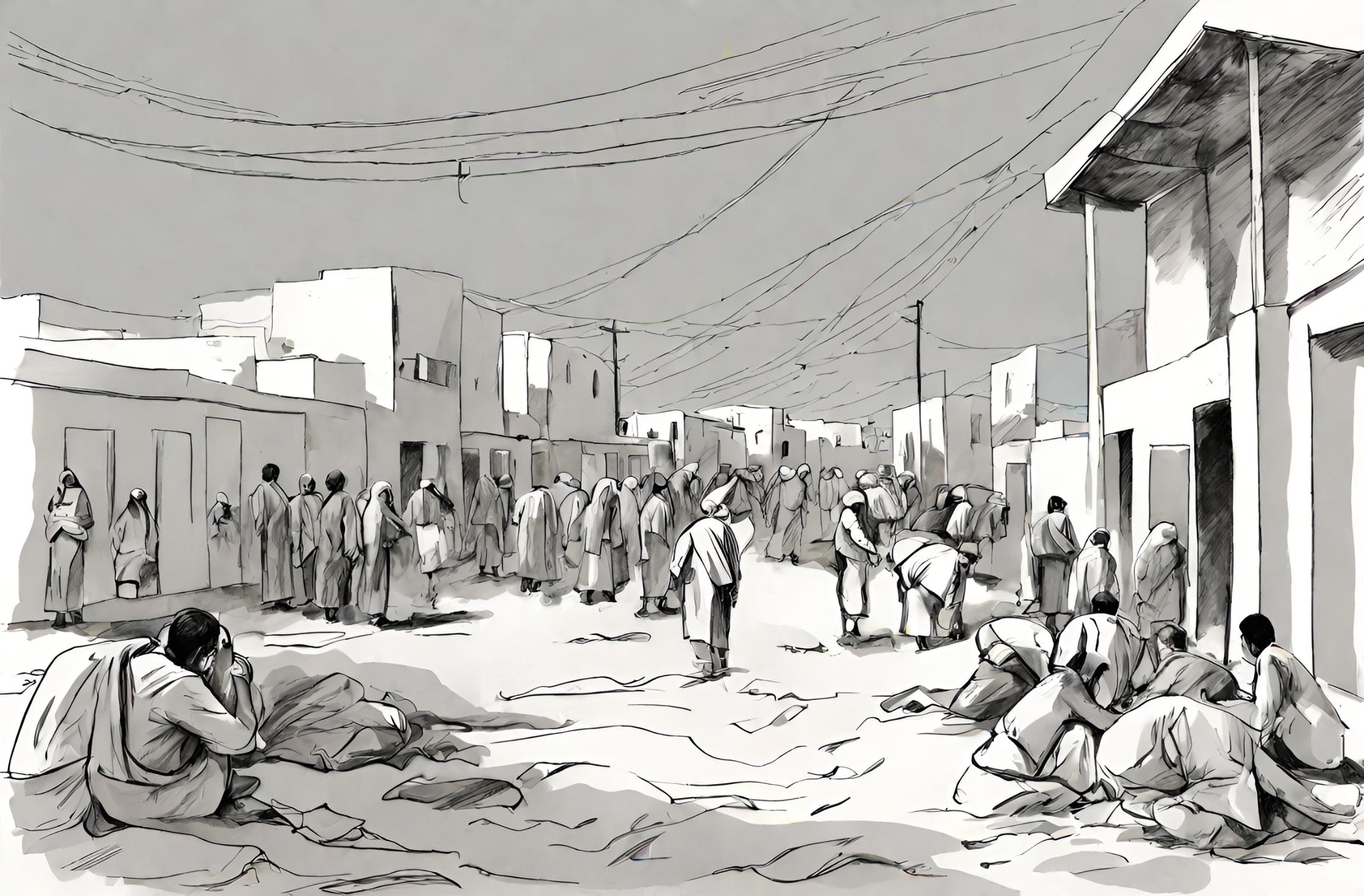
Afghanistan bomb kills 43…
The tragic bombing event…
The Kuomintang, the Chinese…
"Marking a pivotal moment…
In London, an Agreement…
"On August 25, 1939,…
Belarus declares independence from…
On August 25, 1991,…
United Nations security council…
On August 25, 1990,…
German commander of Paris,…
On August 25, 1944,…
