
Flashback to May 2
American History

On June 9, 1986, the Rogers Commission released its long-awaited report on the Space Shuttle Challenger disaster. This tragic event, which occurred on January 28, 1986, resulted in the loss of seven crew members and shocked the nation. The report provided valuable insights into the causes of the Challenger disaster and highlighted critical areas for improvement in NASA’s organizational and decision-making processes.
The Challenger disaster was a devastating blow to the space exploration community and a reminder of the inherent risks involved in pushing the boundaries of human exploration. The mission, which was the 10th launch of the Challenger space shuttle, ended tragically just 73 seconds after liftoff when the shuttle broke apart, leading to the loss of all crew members.
The Rogers Commission, named after its chairman, former Secretary of State William P. Rogers, was tasked with investigating the cause of the disaster and making recommendations to prevent similar incidents in the future. The Commission included experts from various fields, including engineering, safety, and management, and was given access to extensive resources and expertise to conduct a thorough investigation.
The Commission’s report identified the primary cause of the Challenger disaster as the failure of one of the shuttle’s solid rocket boosters. This failure was triggered by the malfunction of an O-ring seal, which was designed to prevent hot gases from escaping the rocket motor. The report concluded that the O-ring failure was directly attributable to the unusually cold weather on the morning of the launch, which compromised the seal’s ability to perform effectively.
However, the Rogers Commission report also highlighted deeper systemic issues within NASA that contributed to the disaster. It revealed a flawed decision-making process, characterized by poor communication channels and a lack of effective management oversight. These deficiencies were exacerbated by organizational and cultural factors that prioritized schedule pressures over safety concerns.
The report emphasized the need for NASA to establish a strong safety culture and enhance the overall management of its programs. It recommended the adoption of a more systematic approach to identifying and managing risks, as well as improved procedures for sharing critical information across all levels of the organization. The Commission also stressed the importance of a clear chain of command and the need for open dialogue and effective decision-making mechanisms.
Following the release of the Rogers Commission report, NASA implemented a series of significant changes to address the identified shortcomings. The agency restructured its management hierarchy, putting a greater emphasis on safety considerations. It also established the Office of Safety, Reliability, and Quality Assurance to oversee safety matters across all NASA programs.
Furthermore, NASA implemented a redesigned process for launching shuttles, ensuring that critical launch decisions were based on thorough analysis and assessment of potential risks. This included establishing stricter criteria for weather conditions and conducting extensive testing and evaluation of critical components.
The lessons learned from the Challenger disaster and the subsequent Rogers Commission report have had a lasting impact on NASA’s safety culture and decision-making processes. The tragedy served as a wake-up call, prompting a renewed commitment to safety and reinforcing the importance of robust risk management practices.
The release of the Rogers Commission report on June 9, 1986, marked a pivotal moment in the aftermath of the Space Shuttle Challenger disaster. The report shed light on the technical failures that led to the tragic event, but more importantly, it revealed deeper organizational and cultural issues within NASA. The lessons learned from this disaster have guided improvements in NASA’s safety culture and decision-making processes, ensuring that the agency continues to push the boundaries of exploration while prioritizing the well-being of its astronauts.
We strive for accuracy. If you see something that doesn't look right, click here to contact us!
 Contact Us
Sponsored Content
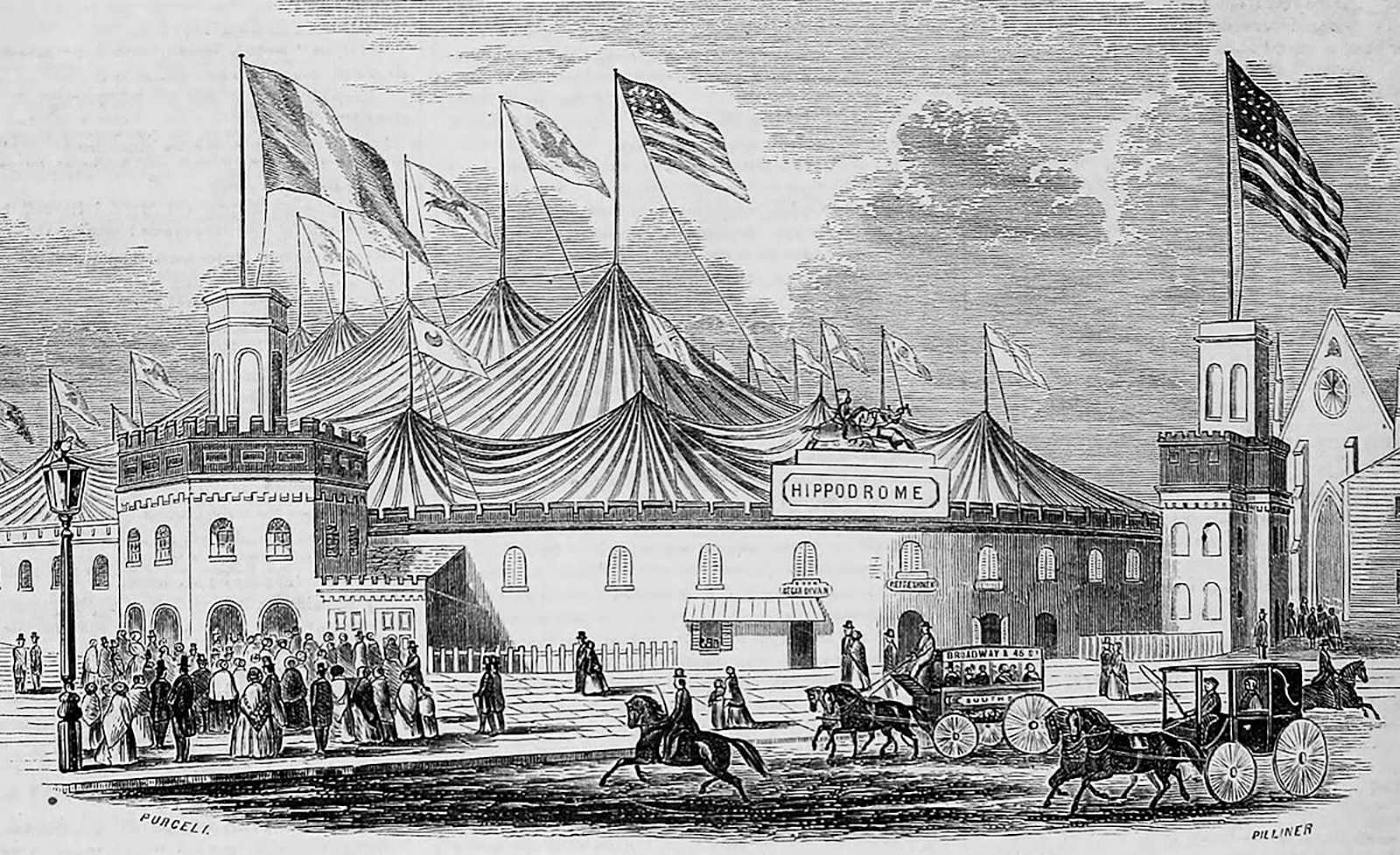
Franconi’s Hippodrome opens (New…
On May 2, 1853,…

Joseph McCarthy, communist-hunting American…
On May 2, 1957,…
US performs atmospheric nuclear…
In a significant development,…
Sabbath famine.
The Sabbath famine of…
