
Flashback to November 24
Entertainment History
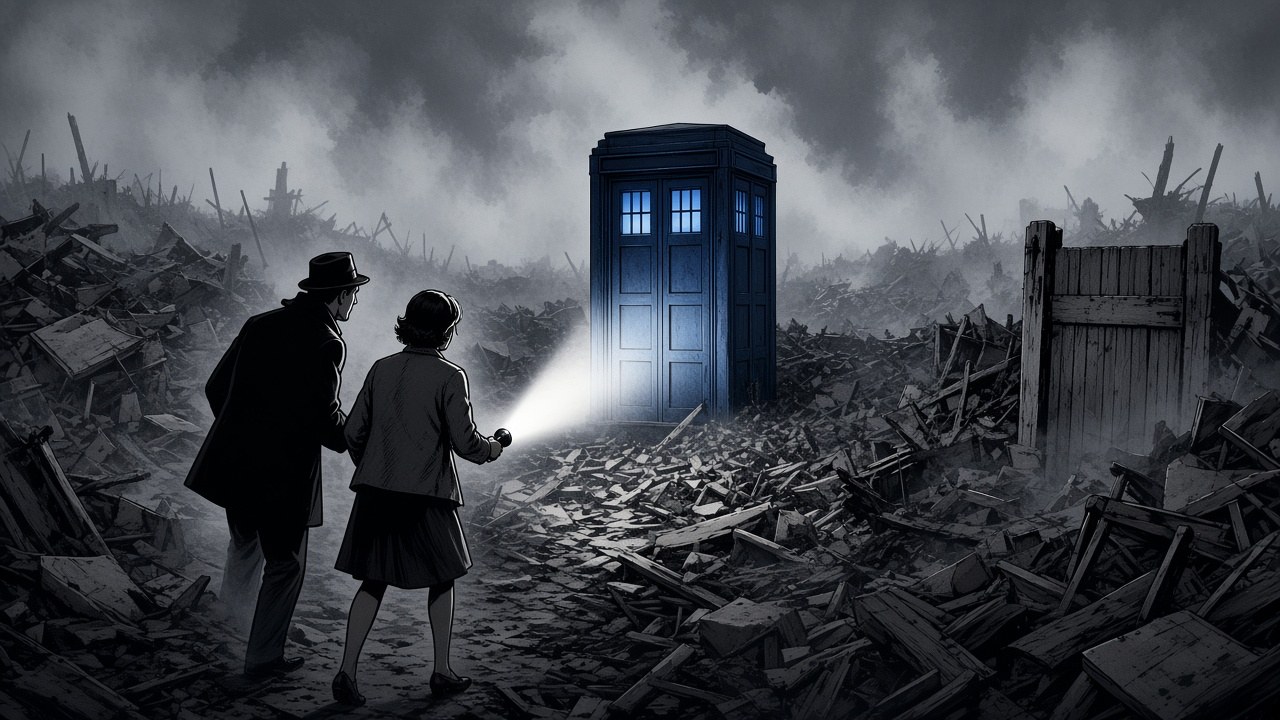
On November 23, 1963, the BBC broadcast the first episode of Doctor Who, a modest Saturday teatime serial that would grow into one of the most enduring programs in television history. The episode, titled “An Unearthly Child,” aired at 5:16 P.M. and introduced viewers to a mysterious time traveler known only as the Doctor.
The series was created to fill a gap in the BBC’s Saturday schedule between the sports program Grandstand and the pop music show Juke Box Jury. The time slot needed to appeal to children, teenagers, and adults at once. Sydney Newman, the Canadian producer who had recently become the BBC’s Head of Drama, decided that a science fiction program would fit the bill. Working with Donald Wilson and writer C. E. Webber, Newman developed the idea of a time machine that was bigger on the inside than the outside and a central character called “the Doctor.”
Production was led by Verity Lambert, the BBC drama department’s first female producer, and the first serial was directed by Waris Hussein. The opening story was written by Australian writer Anthony Coburn. The budget was tight, about £2,300 per episode, and the first attempt at recording the opening episode in September was plagued by technical problems. Newman ordered it remade, and the version that aired was recorded on October 18, 1963.
“An Unearthly Child” begins with two London schoolteachers, Ian Chesterton and Barbara Wright, who are puzzled by their unusual student, Susan Foreman. Curious about her home life, they follow her to a junkyard, where they find an ordinary-looking police telephone box. Inside, they discover the vast control room of the TARDIS and meet Susan’s grandfather, the Doctor, played by William Hartnell. Rather than let them leave with his secret, the Doctor sets the ship in motion, and the episode ends with the travelers arriving in a prehistoric landscape.
The timing of the premiere was unfortunate. President John F. Kennedy had been assassinated in Dallas the day before, and news of the tragedy dominated attention around the world. The first episode drew about 4.4 million viewers. The BBC repeated it a week later, on November 30, just before the second episode, and the repeat reached a larger audience of about six million.
The four-part serial received mixed reviews at first, but the show quickly found its footing. The second serial, which began in December 1963, introduced the Daleks, and the menacing robotic villains became an immediate sensation. Their popularity helped secure the program’s future.
Over the years, the show’s central idea proved remarkably flexible. When Hartnell left the role in 1966, the producers allowed the Doctor to “regenerate” into a new body, a device that let new actors take on the part and kept the series fresh for decades. The original run continued until 1989, and the program returned to the BBC in 2005.
Today Doctor Who is recognized as the world’s longest-running science fiction television drama. Its blue police box has become one of the most recognizable symbols in popular culture, and generations of fans trace their love of the show back to a quiet Saturday evening in November 1963.
We strive for accuracy. If you see something that doesn't look right, click here to contact us!
 Contact Us
Sponsored Content
Guys and Dolls opens…
On November 24, 1950,…

Freddie Mercury, Zanzibar-born lead…
Zanzibar-born superstar Freddie Mercury,…
