
Flashback to August 25
World History

On July 20, 1999, an important event took place in the European Parliament – Nichole Fontaine was elected as its president. This historic moment marked a significant step forward in the democratic process of the European Union, as Fontaine became the first woman to hold this esteemed position. Let us delve deeper into the details of this momentous occasion and its implications for the European Parliament.
The European Parliament holds a crucial role within the European Union, representing the interests of citizens from all member states. It is the directly elected body of the EU and plays a vital role in shaping legislation, budgetary decisions, and policy-making processes. The President of the European Parliament, therefore, holds a position of great influence and responsibility.
Nichole Fontaine’s election as President of the European Parliament was not only groundbreaking due to her gender but also due to the symbolism it held. Her victory highlighted the increasing importance of gender equality and the empowerment of women in the political landscape. As the first female president, Fontaine became a role model for aspiring women leaders across the European Union.
Fontaine, a French politician, brought a wealth of experience and expertise to her role as President of the European Parliament. Prior to her election, she had served as a Member of the European Parliament for several terms, held various committee positions, and displayed a strong commitment to European integration and democratic values. Her knowledge and dedication made her a suitable choice to lead the legislative body.
During her tenure as President, Fontaine focused on promoting democracy, transparency, and citizen engagement within the European Union. She strived to strengthen the dialogue between elected representatives and the citizens they served, aiming to bridge the gap and ensure that the voices of the people were heard. Her efforts led to a more inclusive and participatory decision-making process, enhancing the legitimacy of the European Parliament.
Fontaine’s presidency also witnessed significant milestones and challenges for the European Union. Under her leadership, the European Parliament played a crucial role in shaping policies and legislation, particularly in areas such as economic governance, environmental protection, and expansion of the European Union. Her dedication to fostering cooperation among member states was instrumental in overcoming obstacles and advancing the European integration project.
Furthermore, Fontaine played a pivotal role in strengthening the relationships between the European Parliament and other EU institutions, such as the European Commission and the Council of the European Union. Through constructive dialogue and collaboration, she aimed to create a harmonious and efficient decision-making process, ensuring the best interests of the European Union and its citizens were upheld.
the election of Nichole Fontaine as President of the European Parliament on July 20, 1999, was a significant moment in the history of the European Union. As the first woman to hold this esteemed position, Fontaine broke barriers and paved the way for greater gender equality in European politics. Her presidency was characterized by a steadfast commitment to democracy, transparency, and citizen engagement, making her an influential leader who left a lasting impact on the European Parliament and the European Union as a whole.
We strive for accuracy. If you see something that doesn't look right, click here to contact us!
 Contact Us
Sponsored Content
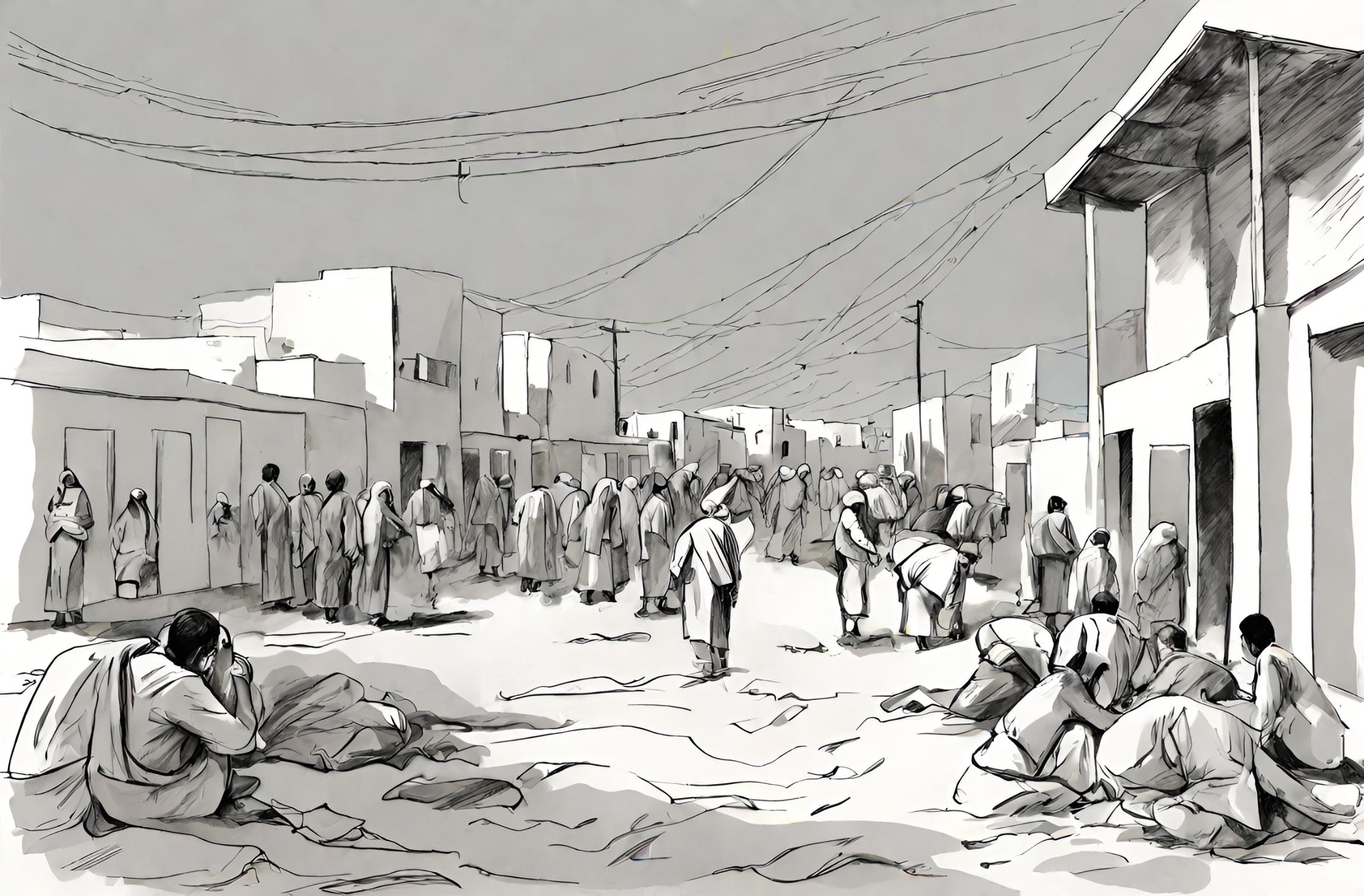
Afghanistan bomb kills 43…
The tragic bombing event…
The Kuomintang, the Chinese…
"Marking a pivotal moment…
In London, an Agreement…
"On August 25, 1939,…
Belarus declares independence from…
On August 25, 1991,…
United Nations security council…
On August 25, 1990,…
German commander of Paris,…
On August 25, 1944,…
