
Flashback to September 27
American History
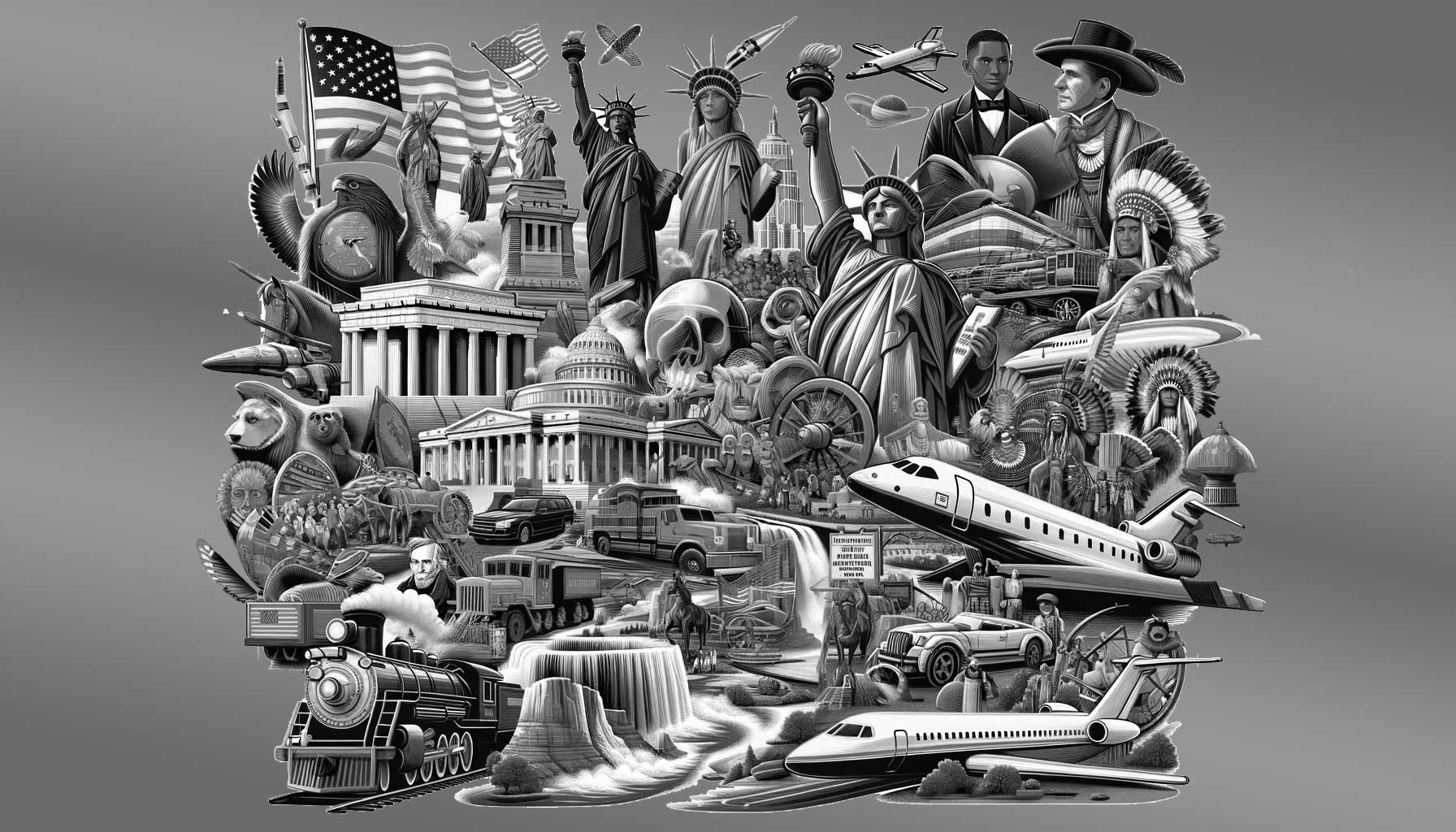
In the rich tapestry of American history, few events stand out as boldly as the Chicago Seven trial—a dramatic battle of justice, activism, and political complexities that kicked off on September 26th, 1969. This event brought to the forefront growing tensions over America’s involvement in the Vietnam War, civil rights, and the power of protest.
The Chicago Seven consisted of renowned activists like Abbie Hoffman, Jerry Rubin, David Dellinger, Tom Hayden, Rennie Davis, John Froines, and Lee Weiner. Accused of inciting riots during the 1968 Democratic National Convention held in Chicago, the Chicago Seven ferociously fought back, becoming symbols for a generation grappling with issues like free speech and authoritarianism.
As we delve into the intricacies of the Chicago Seven trial, it’s crucial to recall that it was more than just a legal procedure. It was a tectonic shift in the nation’s consciousness—demonstrating a stark division between the establishment and counterculture.
The 1968 Democratic National Convention in Chicago was initially just meant to be a political event—where Democrats would choose their candidate for the upcoming presidential election. Yet, anti-Vietnam war activists saw it as a perfect opportunity for voicing their dissent strongly. What unfolded were scenes of unprecedented chaos and conflict as protestors clashed with the Chicago police.
This chaos didn’t go unnoticed at the federal level. In a significant twist, the newly elected Nixon administration decided to hold a trial against several activists who they believed instigated the riots. Seven of these were the now-infamous Chicago Seven. The charge was conspiracy to incite a riot. The trial would begin on September 26th, 1969 and become one of the most publicized trials in American history.
The Chicago Seven trial was unique, not just for its legal proceedings, but also for the atmosphere it created both inside and outside the courtroom. The defendants, far from exhibiting signs of deference or fear, turned the trial into a theatrical event—showing up in judicial robes one day and blowing kisses to the jury another. This unconventional behavior was symbolic of their wider aims—to question the very essence of the American judicial system.
Outside the courtroom, the trial stirred the public imagination like a storm. It drew widespread media attention and provoked vehement debates about law enforcement, civil liberties, and the power of protest. The outpouring of solidarity for the accused was unprecedented, with demonstrations and rallies being held across the country.
Despite the nationwide uproar, the judiciary stuck to its guns. Five of the Chicago Seven were convicted of inciting a riot though none were found guilty of conspiracy. The verdicts were later reversed on appeal due to procedural errors and bias on the part of the presiding judge.
To this day, the Chicago Seven trial remains a pivotal moment in American history. It signifies a time when the government and the youth of America stood on opposite sides of a socio-political divide, symbolizing the gulf between authority and autonomy.
As we reflect on the Chicago Seven trial, we can’t help but be reminded of the passion, resilience, and fiery spirit of the 1960s—a time when individuals had the audacity to stand tall against the might of the state, giving voice to the silent frustrations of many.
Despite being half a century old, the echoes of this landmark event resonate today, reminding us of the power of collective action and the significant role trial proceedings play in society. Whether one views the Chicago Seven trial as a mockery of justice or the apogee of civil disobedience, that September day in 1969 undeniably left an indelible mark on the annals of American jurisprudence and the wider sociopolitical landscape.
We strive for accuracy. If you see something that doesn't look right, click here to contact us!
 Contact Us
Sponsored Content
An armed suspect holds…
"On September 27, 2006,…
John Adams negotiates Revolutionary…
On September 27, 1779,…
The Government of the…
On September 27, 1995,…
US Senate Judiciary committee…
On September 27, 1990,…
Hurricane Gloria hits Long…
Experiencing the violent force…
Constitution submitted to the…
On September 27, 1787,…
