
Flashback to October 2
American History
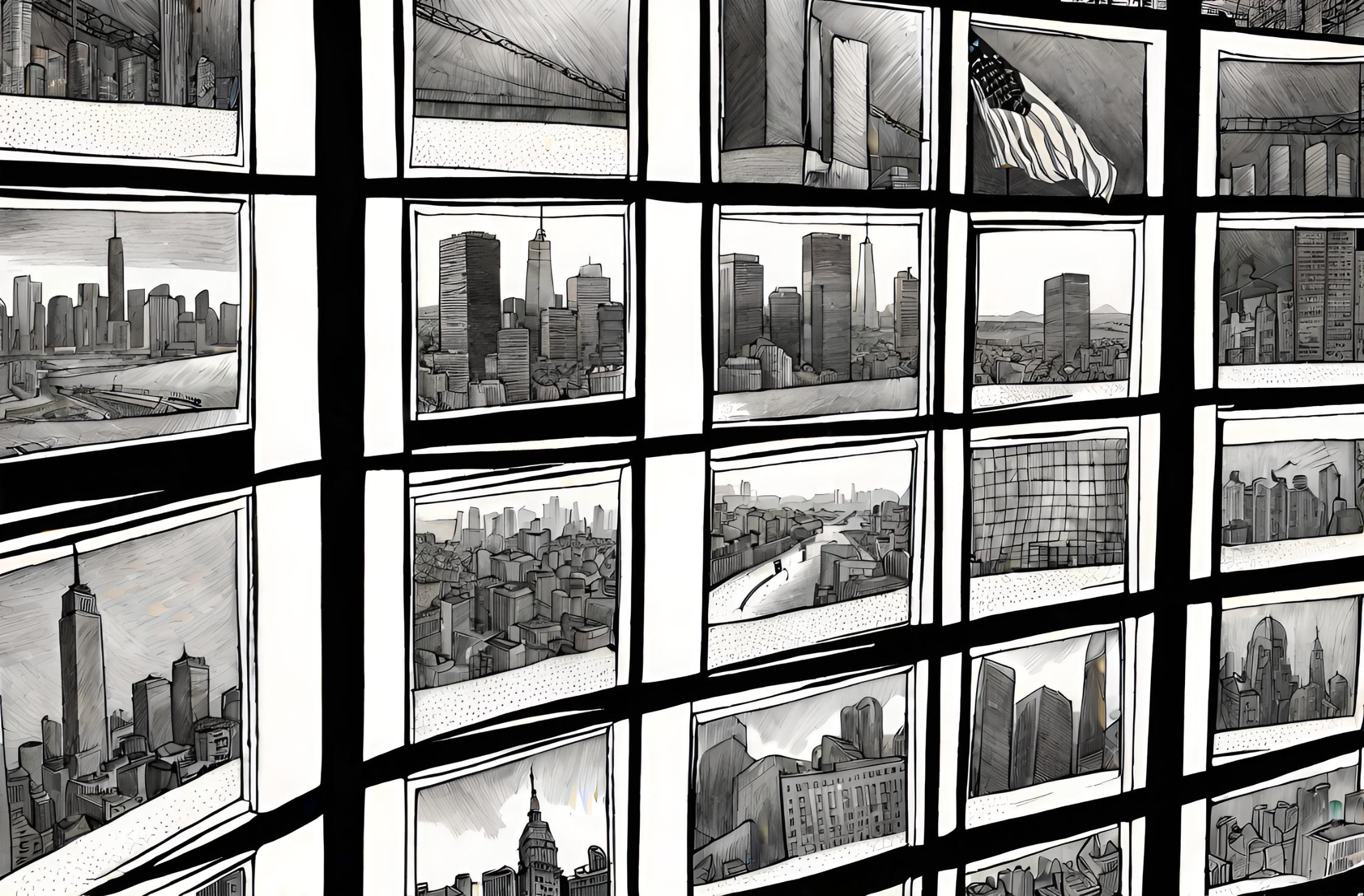
The World Trade Center in 1993, a pivotal spot in New York’s skyline, fell victim to a devastating bombing incident that shocked the entire world. In a significant development on October 1, 1995, the wheels of justice finally started to turn as ten people were convicted for this horrendous act. Their conviction marked an essential chapter in the country’s long battle against terrorism, subsequently shaping the United States’ security and anti-terrorism policies.
The criminal act, which unfolded in 1993 in the World Trade Center’s underground parking, resulted in six casualties and a thousand people injured, while causing significant damage to the structure. This event brought terrorism to the shores of America, drawing attention towards an escalating global concern. The magnitude of the devastation and loss of life prompted an extensive investigation by U.S authorities.
Two years prior to their conviction, in 1993, a yellow van containing a lethal mix of fertilizer, diesel fuel, and other chemicals exploded in the North Tower’s basement. This act of terror rendered a deep crater, spanning several stories and causing extensive infrastructural damage. The impact of the 1,500-pound homemade bomb symbolized a wakeup call, underlining an imminent terrorism threat to the national security of the United States.
It was on October 1, 1995, when ten individuals were held accountable for their roles in this catastrophic event. Their indictment read a litany of charges including conspiracy, attack on a public facility resulting in death, and use of a weapon of mass destruction. After an intensive, high-profile, and emotionally-charged trial, all ten were found guilty of participating in the malicious bombing plot.
The operatives behind this assault were from diverse backgrounds, reflecting the complex and global nature of terrorism. The bombing’s mastermind was Ramzi Yousef, a skilled bomb-maker trained in the clandestine camps of Afghanistan, who was eventually arrested in Pakistan in 1994. Others complicit included Mahmud Abouhalima, a taxi driver from Egypt; Mohammad Salameh, a Palestinian illegally residing in the U.S; Nidal Ayyad, a U.S. citizen from Jordan; and Ahmad Ajaj, a Palestinian hailing from the West Bank.
The proceedings of the trail were seminal in nature, considering the amount of evidence the prosecution managed to amass against the ten convicts. Crucial aspects such as the rental truck’s remnants, housing numerous chemical traces used in the bomb, played a pivotal role in establishing the case. Other noteworthy pieces of evidence included the video footage showcasing Salameh returning to collect the deposit on the rented van and myriad phone records connecting the guilty parties.
The conviction of the ten people involved in the 1993 World Trade Center bombing served as a symbolic victory in the driven law enforcement reaction to terrorism in the United States. It marked a critical point in the nation’s understanding of terrorism and the measures to counter it. Post this incidence, the U.S bolstered its intelligence capabilities and institutionalized rigorous security checks, profoundly reshaping its counter-terrorism strategy.
However, the 1993 World Trade Center bombing remains an indelible part of American history. It is a reminder of the numerous lives lost and the extensive damage incurred due to inadequately calibrated security measures. Notwithstanding the eventual conviction, the event underscored the scope for solidifying national security protocols to tackle the mounting threat of terrorism. The incident and its subsequent legal proceedings have left an indelible mark on U.S. national security policy, with double-edged consequences – an increased sense of vigilance and an ever-present state of caution. While the ten people’s conviction brought closure to this gruesome chapter, the battle against terrorism continues, underlining the relentless pursuit for ensuring the safety and security of the citizenry
We strive for accuracy. If you see something that doesn't look right, click here to contact us!
 Contact Us
Sponsored Content
Texas Revolution
Explore the pivotal events…
New York Hayden Planetarium,…
Experience the historic marvel…
New York Anti-Slavery Society…
The New York Anti-Slavery…
US President Woodrow Wilson…
On October 2, 1919,…
