
Flashback to May 25
World History

During the captivating whirlwind of global economic fluctuations, an event of momentous significance that reverberates to this very day unfolded on the 29th of September, 1931. Two Nordic powerhouses, Sweden and Denmark, took an unprecedented step that changed the course of their economic trajectory. They both decided to abandon the gold standard, a decision that would reshape their economic landscape and send ripples across the world market.
The gold standard, for those unfamiliar with the concept, refers to a monetary system wherein a country’s currency or paper money holds a value directly linked to gold. Under the gold standard, countries agreed to convert paper money into a fixed amount of gold. The system helped provide a standard measure of value across different countries and kept inflation in check. However, the strict rules governing the redemption of currency for gold also exposed countries to economic shocks and created constraints on government monetary policy.
The choice of these Scandinavian countries to abandon the gold standard was no casual matter, but rather a strategic economic decision that took place in the throes of the Great Depression. The global financial crisis had led to a sharp decline in trade, steep economic downturns, and a severe banking crisis, testing the resilience of the gold standard. The undulating pressure of these economic tremors ultimately jeered Sweden and Denmark to distance themselves from the fixed constraints of the gold standard.
This decision by Sweden and Denmark was, in many ways, reflective of the economic belief in ‘Fiat money’. Fiat money is a concept where the value of the currency is not determined by any physical commodity but by the trust and confidence of those who use it. By abandoning the gold standard, Sweden and Denmark could say goodbye to trade imbalances and economic restraints that the gold standard set in motion, seducing their economies towards stability and growth.
Now, examining the immediate effects of Sweden and Denmark abandoning the gold standard, we observe certain key outcomes. While the initial effects were drastic, leading to major fluctuations in their respective economies, the move proved to be a long-term victory. Flexible exchange rates offered an effective buffer against global economic upheavals, allowing both Sweden and Denmark to regain economic health more rapidly than many of their gold-clinging counterparts.
Furthermore, leaving the gold standard also gave these countries greater control over their monetary policies. With the abilities to influence interest rates and manage inflation, they could more readily stimulate economic growth and employment, and continue to respond dynamically to changes in the international financial system.
Looking back on the events that unfolded on that fateful September day in 1931, when Sweden and Denmark stepped away from the shackles of the gold standard, we grasp the reverence of their decision. It was a step towards economic resilience and a stride away from the instability of the prevailing system.
This historical scene in the theatre of global economics not only reshaped Sweden and Denmark’s economic landscape but also lent essential insights into the functioning of global finance. This event is more than just a footnote in the annals of world economic history; it is a resounding echo that informs today’s global monetary policies, a reminder of the path once taken and a guide to the choices ahead.
Even today, as we grapple with economic uncertainty and unprecedented times, Sweden and Denmark’s audacious decision reminds us that nations must adapt to evolving global paradynamics. It highlights the endurance of innovation over set standards and paints a compelling portrait of the power countries have when they choose to take control of their economic destinies.
We strive for accuracy. If you see something that doesn't look right, click here to contact us!
 Contact Us
Sponsored Content
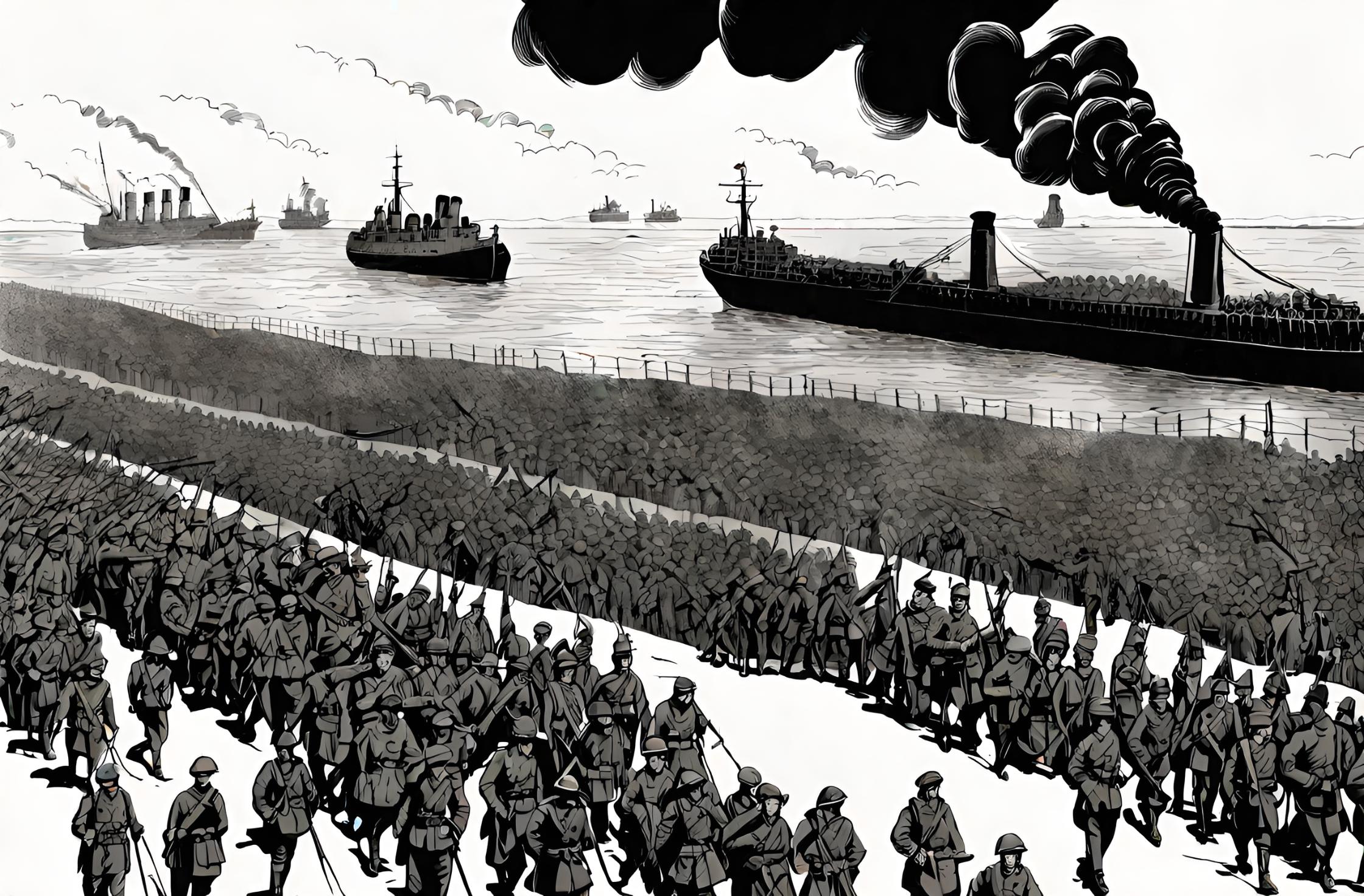
The Dunkirk Evacuation starts
Experience the pivotal 1940…
English Parliament prohibits circulation…
On 5/25/1813, the English…
NTstor Kirchner becomes President…
On May 25, 2003,…
Saint Boniface IV dies,…
On May 25, 615,…
Aldhelmus of Ealdhelm, England,…
On May 25, 709,…
Gas lamp at Paris…
On 5/25/1887, a tragic…
