
Flashback to May 25
World History

On March 17, 1929, a significant event in the history of Spain took place when the country’s dictator, Primo de Rivera, made the controversial decision to close the University of Madrid. This move had far-reaching consequences not only for the university but also for the entire education system in Spain.
At the time, Spain was under the rule of General Miguel Primo de Rivera, who came into power after a military coup in 1923. His regime aimed to bring stability to the country, but it was also known for its authoritarian and repressive tactics. The decision to shut down the University of Madrid was just one of the many actions taken by de Rivera to consolidate his power.
The University of Madrid, founded in 1836, had been a prominent institution of higher education in Spain. It was known for its academic excellence and had produced many influential scholars and intellectuals. The closure of such a prestigious university sent shockwaves throughout the academic community in Spain and abroad.
The reasons cited by de Rivera for the closure were varied, but many believed that it was a political move to suppress dissent and control the student population. The university had become a breeding ground for political activism, with students and professors openly criticizing the regime. Closing the university was seen as an attempt to stifle opposition and create a more compliant population.
The closure of the University of Madrid had immediate and profound consequences. Thousands of students were forced to abandon their studies and find alternative means of continuing their education. Many professors and intellectuals were also left jobless, further damaging the intellectual and cultural landscape of Spain.
In response to the closure, students and professors organized protests and demonstrations, demanding the reopening of the university. These protests were met with harsh repression from the authorities, with many students arrested and imprisoned. The closure of the university and the subsequent crackdown on dissent intensified the already high levels of political tension in the country.
The closure of the University of Madrid also had long-term effects on the education system in Spain. It highlighted the government’s disregard for academic freedom and the value of education as a means of critical thinking and societal progress. The event served as a catalyst for the development of a more politically conscious student movement in Spain, which would play a significant role in the country’s turbulent political landscape in the years to come.
Despite the initial setback, the closure of the University of Madrid also led to the emergence of alternative institutions of higher education. Students and professors who were affected by the closure sought to create new spaces for learning and intellectual exchange. These alternative institutions often operated underground or in exile, but they played a crucial role in preserving academic freedom and nurturing intellectual dissent.
the closure of the University of Madrid by Spanish dictator Primo de Rivera on March 17, 1929, was a pivotal event in the country’s history. It represented a significant blow to academic freedom and had far-reaching consequences for the education system in Spain. While the closure was an attempt to quash dissent, it also led to the emergence of alternative institutions that played a vital role in preserving intellectual freedom. This event serves as a reminder of the importance of education and the power it holds in shaping societies.
We strive for accuracy. If you see something that doesn't look right, click here to contact us!
 Contact Us
Sponsored Content
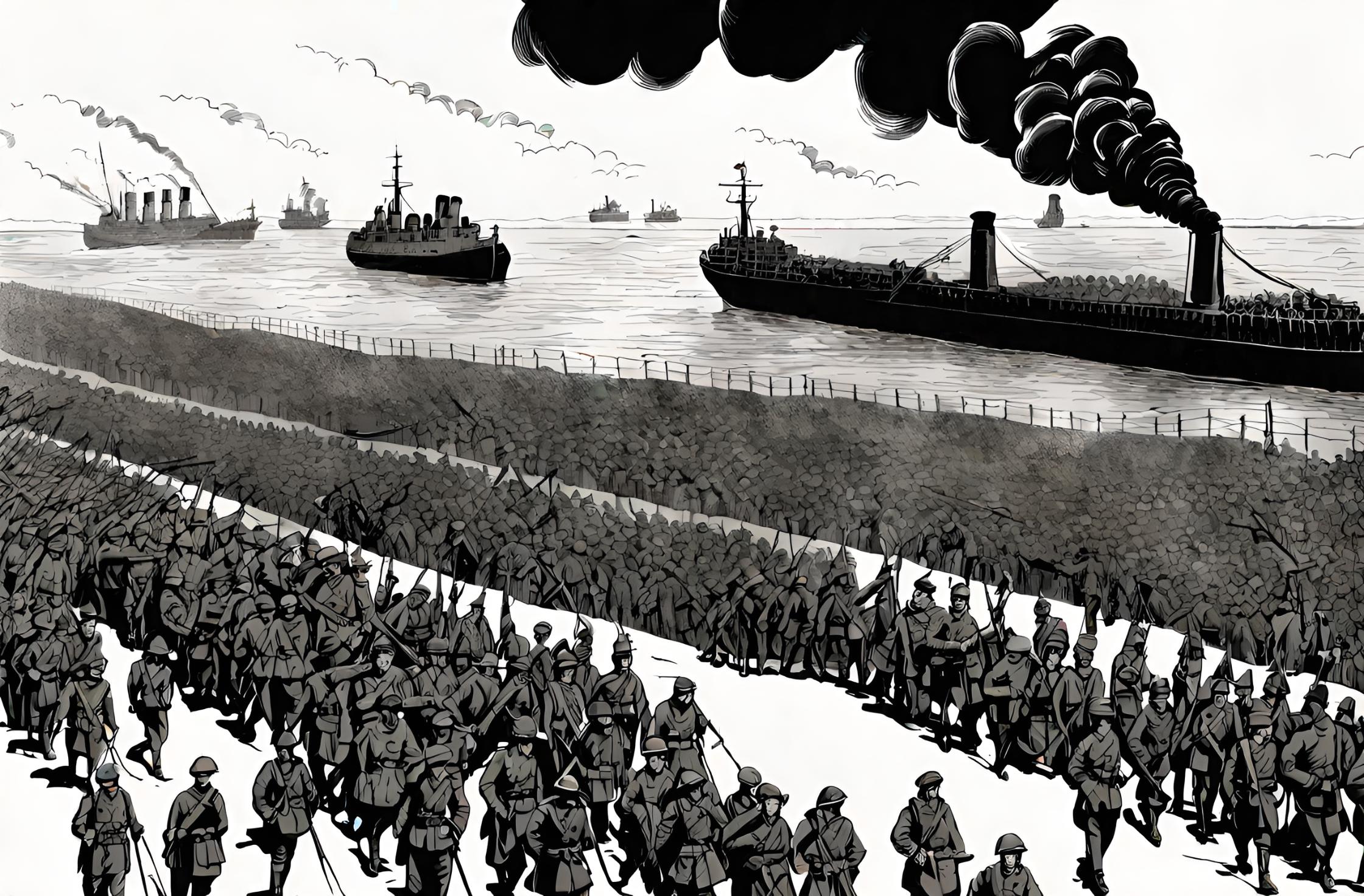
The Dunkirk Evacuation starts
Experience the pivotal 1940…
English Parliament prohibits circulation…
On 5/25/1813, the English…
NTstor Kirchner becomes President…
On May 25, 2003,…
Saint Boniface IV dies,…
On May 25, 615,…
Aldhelmus of Ealdhelm, England,…
On May 25, 709,…
Gas lamp at Paris…
On 5/25/1887, a tragic…
