
Flashback to April 17
World History
2009
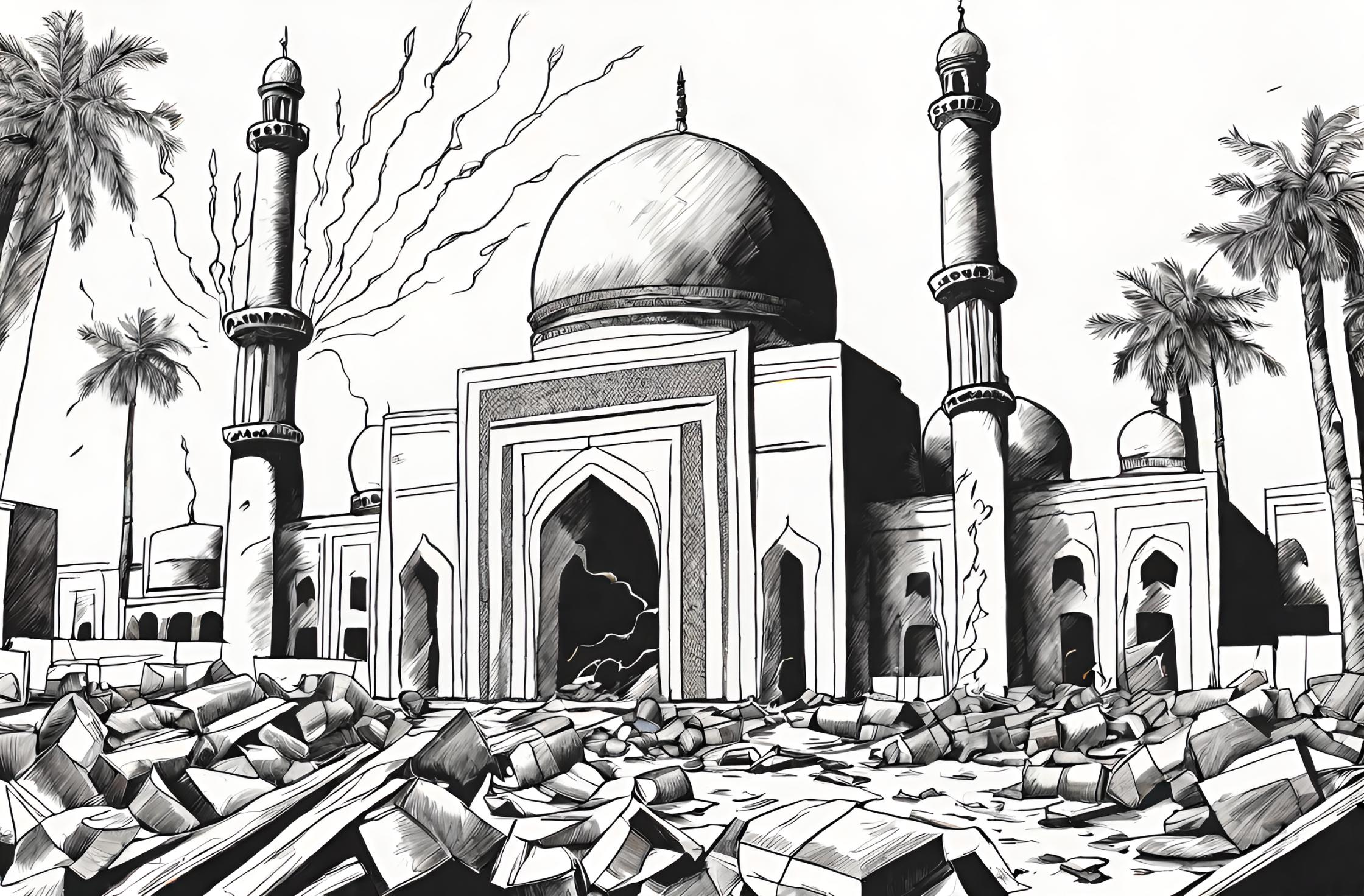
Six bombs explode outside mosques in the Iraqi capital Baghdad, killing at least 29 people
Read moreOn July 31, 2009, a tragic event occurred in the Iraqi capital Baghdad that shook the nation and left many grieving. Six bombs exploded outside mosques, resulting in the loss of at least 29 innocent lives and leaving over 130 people injured. This incident was a stark reminder of the ongoing violence and instability plaguing the region.
The attacks targeted worshippers who had gathered for their Friday prayers, a time of peace and tranquility for Muslims. Instead of finding solace and spiritual upliftment, these individuals were subjected to sheer terror and unimaginable devastation. The explosions occurred near mosques in the Shoula, Hurriyah, and Khadraa neighborhoods, leaving the communities devastated and mourning the loss of their loved ones.
The responsibility for these attacks was not immediately claimed by any group, but they bear the hallmark of previous attacks carried out by extremist organizations. The deliberate targeting of places of worship is a clear attempt to incite fear and division among different religious and ethnic groups in the region.
The bombings in Baghdad on that fateful day reverberated throughout the international community, attracting condemnation from world leaders and organizations. The United Nations expressed its outrage and called for those responsible to be held accountable for their heinous acts. The attack was widely seen as a blatant violation of the rights to freedom of religion and peaceful assembly.
In the wake of the bombings, the Iraqi authorities launched an investigation to identify and apprehend the perpetrators. Such acts of violence undermine the country’s efforts to establish stability and peace, hindering progress toward national reconciliation and reconstruction.
The attack on the mosques was met with widespread condemnation from the international community, with many countries offering their condolences and support to the victims and their families. The bombings served as a stark reminder of the challenges faced by Iraq in its journey toward peace and stability.
In the years following the bombings in Baghdad, efforts have been made to address the root causes of violence and promote interfaith dialogue and understanding. Initiatives aimed at fostering religious tolerance and unity have played a vital role in strengthening the fabric of society and rebuilding trust among different religious and ethnic communities.
However, the scars of the 2009 bombings still remain, serving as a painful reminder of the devastating impact of terrorism. The families of the victims continue to mourn their loved ones, while survivors struggle to rebuild their lives and heal from the physical and emotional wounds inflicted on that day.
It is essential that the international community continues to support Iraq in its journey toward peace and stability. Efforts to combat terrorism, promote dialogue, and foster understanding can help prevent future acts of violence and create a more harmonious and inclusive society.
The bombings in Baghdad on July 31, 2009, were a tragic reminder of the challenges faced by Iraq in its pursuit of peace and stability. As the country continues to rebuild and heal, it is crucial that we remember the lives lost on that day and work together to ensure that such senseless acts of violence are never repeated.
We strive for accuracy. If you see something that doesn't look right, click here to contact us!
 Contact Us
Sponsored Content

Geoffrey Chaucer tells the…
On April 17, 1397,…
By Proclamation of the…
On April 17, 1982,…
USSR’s Josef Stalin signs…
On April 17, 1939,…
Iran displays its military…
Iran showcases its strong…
Brussel’s (Belgium) World Fair…
Brussels World Fair, held…
Benedict III dies, ending…
Benedict III, the Catholic…
