
Flashback to July 25
World History

1980
Shah Muhammad Reza Pahlavi, Shah of Iran, dies in Cairo, Egypt at age 60 (born 1919).
Read moreShah Mohammad Reza Pahlavi, the Shah of Iran, tragically passed away in Cairo, Egypt, on July 27, 1980, at the age of 60. Born in 1919, Pahlavi had a complex and controversial reign that left a lasting impact on Iran and the broader Middle East region. His death marked the end of an era and sparked significant shifts in the geopolitical landscape.
Pahlavi was born into the Pahlavi dynasty and ascended to the throne in 1941 after the abdication of his father, Reza Shah. As the Shah of Iran, Pahlavi implemented a series of ambitious reforms aimed at modernizing the country and strengthening its ties with the West. These efforts, collectively known as the White Revolution, included measures such as land redistribution, women’s suffrage, and industrialization.
While Pahlavi’s reforms were intended to propel Iran into the 20th century, they triggered a range of social and political tensions within the country. Dissatisfaction with the regime grew, particularly among religious conservatives and the working class who felt marginalized by the rapid modernization. Pahlavi’s close alignment with the United States further fueled anti-monarchical sentiments and nationalist movements.
The Shah’s relationship with the West, especially the United States, became a significant source of contention. In the 1950s, Pahlavi’s government cooperated with the Central Intelligence Agency (CIA) in the ousting of Prime Minister Mohammad Mossadegh, who had nationalized Iran’s oil industry. This move brought Pahlavi closer to the US, but it also fueled popular resentment and laid the groundwork for future opposition.
Tensions reached a boiling point in the late 1970s with the emergence of a nationwide protest movement led by the religious cleric Ayatollah Ruhollah Khomeini. Iranians from all walks of life, including merchants, students, and intellectuals, rallied against Pahlavi’s autocratic rule, perceived corruption, and the widening social and economic disparities. The revolution gained momentum, and protests grew increasingly violent.
In 1979, Pahlavi fled Iran following months of escalating turmoil. Khomeini returned from exile and established an Islamic Republic, marking the end of the Pahlavi dynasty. Pahlavi spent the last year of his life in exile, moving from country to country seeking medical treatment for his declining health.
It was during this period that Pahlavi sought refuge in Egypt but sadly succumbed to cancer on July 27, 1980. His death further galvanized opposition and solidified the triumph of the Islamic Revolution in Iran. Khomeini’s supporters celebrated the demise of a monarch they saw as a puppet of the West, while Pahlavi’s loyalists mourned the end of a reign they believed had brought progress and modernization to Iran.
Pahlavi’s passing had far-reaching implications for the Middle East’s balance of power. With Iran’s transformation into an Islamic Republic under Khomeini’s leadership, the regional dynamics shifted dramatically. The newly established Islamic Republic adopted an anti-Western stance, making Iran a rival to traditional US allies in the region like Saudi Arabia and Israel.
Furthermore, Pahlavi’s death intensified the Iran-Iraq War, which had erupted just a year earlier. The conflict saw Iraq under Saddam Hussein invading Iran, hoping to exploit the nascent revolutionary chaos. The war lasted for eight years, claiming hundreds of thousands of lives and further destabilizing the region.
the death of Shah Mohammad Reza Pahlavi marked the end of an era in Iran’s history. His reign was characterized by ambitious reforms, social and political tensions, and a complex relationship with the West. Pahlavi’s passing had profound implications for Iran and the broader Middle East, igniting a revolution, transforming the regional power dynamics, and triggering a devastating war. The Shah’s death forever altered the trajectory of the region and continues to shape its political landscape today.
We strive for accuracy. If you see something that doesn't look right, click here to contact us!
 Contact Us
Sponsored Content
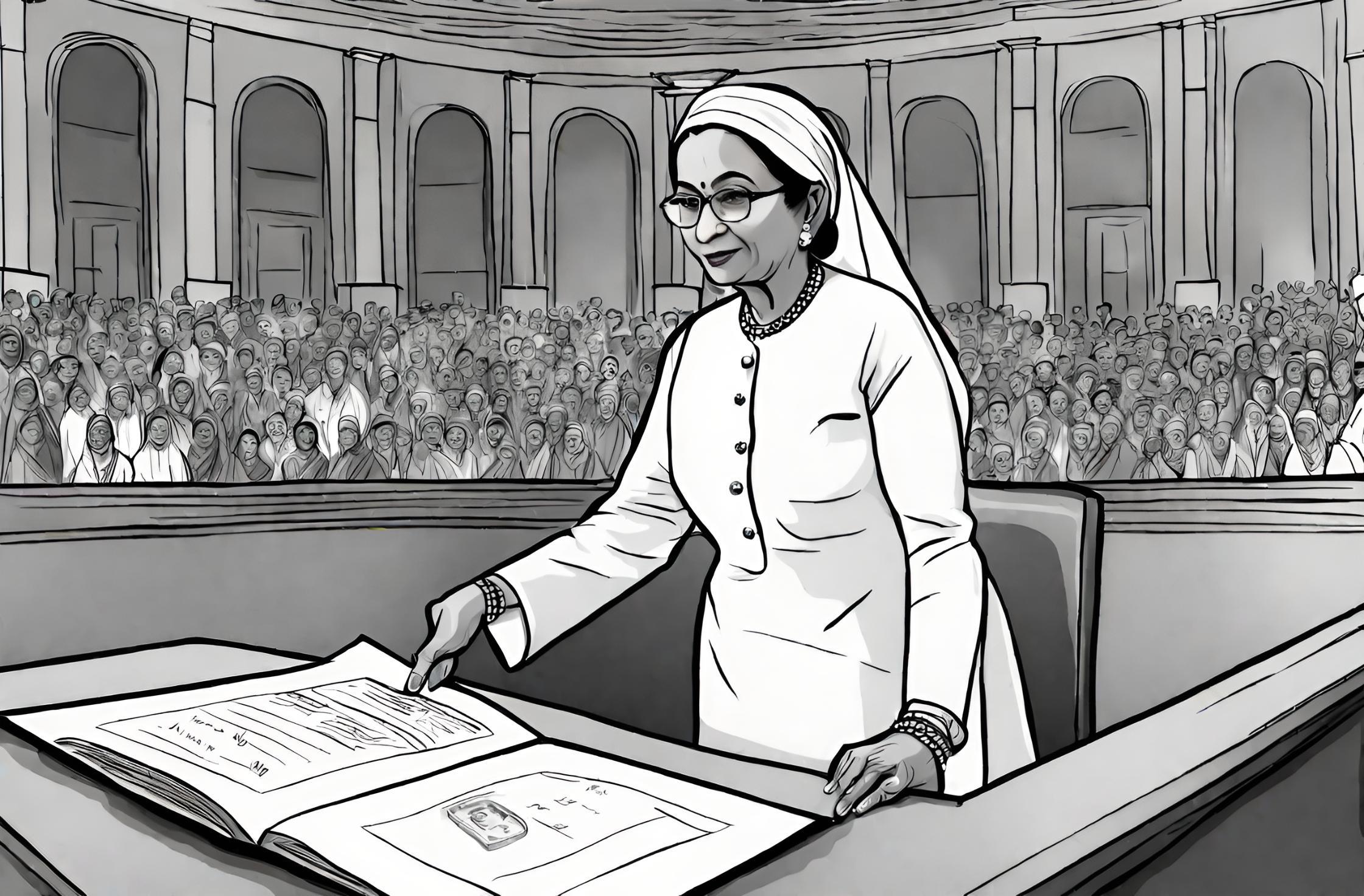
Pratibha Patil is sworn…
On July 25, 2007,…
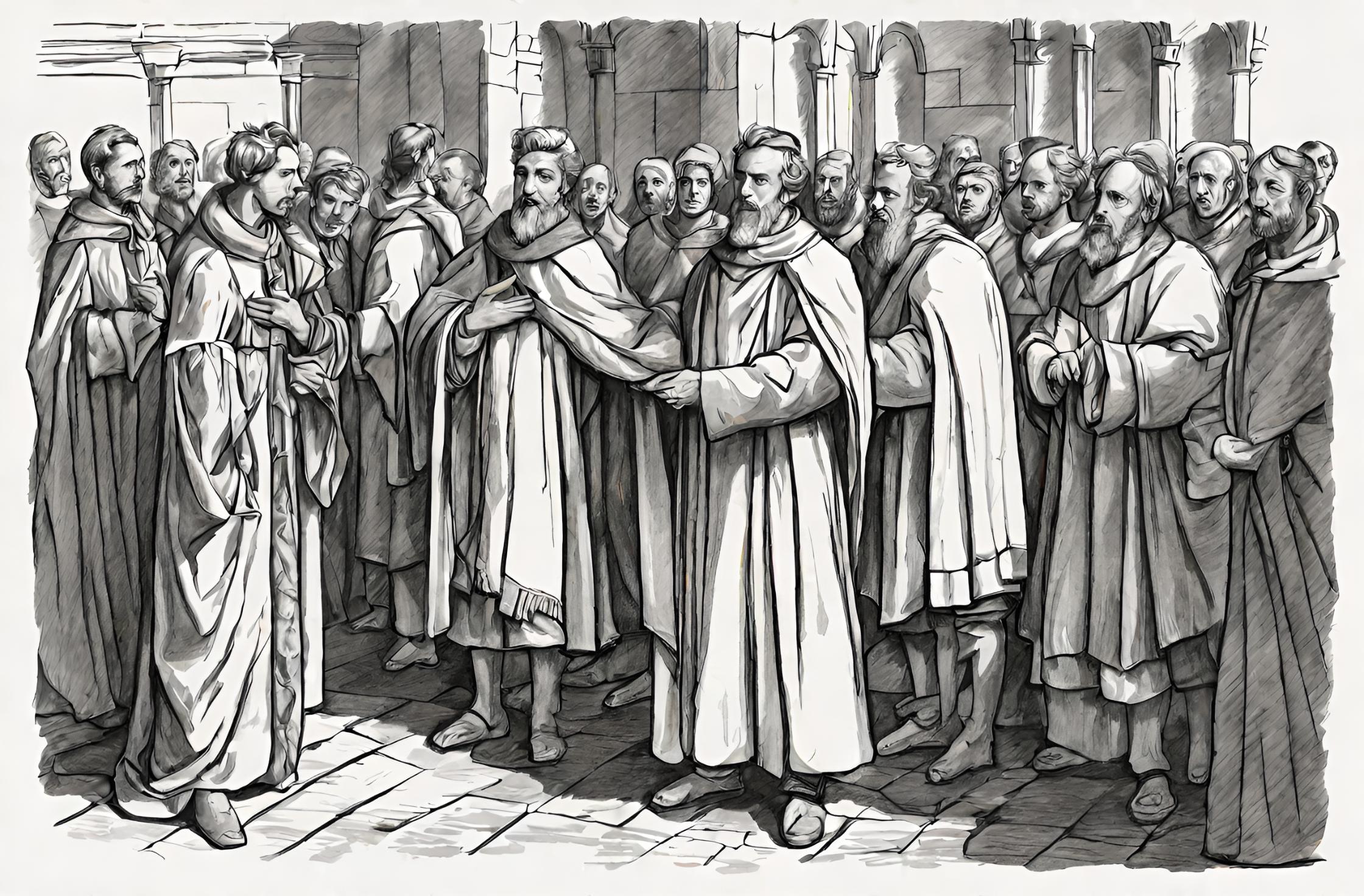
Henry IV of France…
On 7/25/1593, Henry IV…
K.R. Narayanan is sworn-in…
On 7/25/1997, K.R. Narayanan…
Jews are expelled from…
On 7/25/1670, a significant…
The Japanese daimyō begin…
On June 17, 1869,…
George Stephenson builds the…
"Explore the revolutionary moment…
