
Flashback to April 20
American History
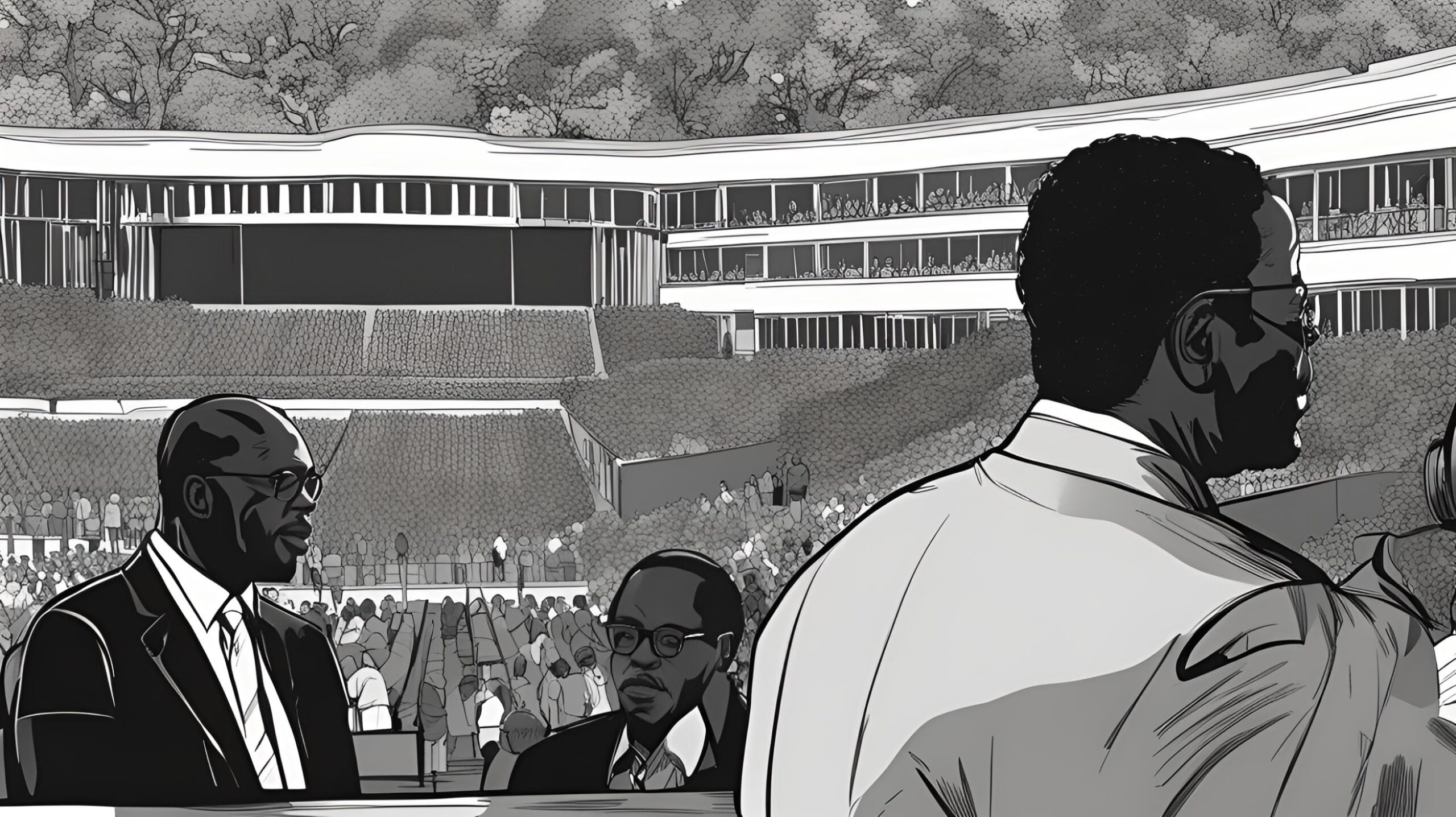
The Second National Black Convention, held in Philadelphia on June 6, 1831, marked a significant moment in American history. This event brought together African American leaders and activists from across the United States to discuss pressing issues facing their community and to strategize ways to bring about social and political change. In this article, we will delve into the details of this important gathering and explore its impact on the fight for racial equality.
The Second National Black Convention was organized by prominent figures of the time, including Henry Highland Garnet, David Walker, and Maria W. Stewart. These influential leaders recognized the need for a unified approach to address the challenges faced by African Americans in the early 19th century. They saw the convention as an opportunity to amplify their voices and establish a platform for demanding justice and equality.
The convention drew attendees from various states, representing a diverse range of backgrounds and experiences. It provided a rare space for African Americans to share their stories, exchange ideas, and collectively address the issues they faced. The event’s agenda covered a wide array of topics, including abolitionism, education, suffrage, and the overall improvement of living conditions for black Americans.
One of the key objectives of the convention was to advocate for the abolition of slavery. Abolitionist speakers passionately addressed the audience, emphasizing the inhumanity and moral depravity associated with the enslavement of African Americans. Their speeches aimed to empower and mobilize attendees to actively participate in the abolitionist movement and contribute to the ongoing struggle for freedom.
Education was also a central theme of the Second National Black Convention. Recognizing the power of knowledge and education in bringing about social change, participants discussed the importance of establishing and supporting educational institutions for African Americans. They believed that education was crucial in empowering their community and breaking the chains of oppression.
Another significant issue discussed at the convention was suffrage for black Americans. The attendees recognized the importance of political representation as a means to advance their interests and secure their rights. They called for the right to vote and discussed strategies for gaining suffrage in states where laws explicitly prohibited black citizens from participating in the democratic process.
The Second National Black Convention served as a platform for the elevation and recognition of African American women’s voices. Maria W. Stewart, one of the convention organizers, delivered a powerful speech challenging gender inequalities within the movement and advocating for the inclusion of women in leadership roles. Her speech paved the way for future discussions on intersectionality and the need to address both racial and gender-based oppressions.
The impact of the Second National Black Convention cannot be overstated. It played a crucial role in advancing the abolitionist movement and paved the way for future efforts towards racial justice. The convention served as a catalyst for social change, inspiring generations of African Americans to continue the fight for equality, justice, and freedom.
The Second National Black Convention held in Philadelphia on June 6, 1831, remains a pivotal event in American history. It brought together African American leaders, activists, and advocates in a unified effort to address key issues affecting their community. The convention’s discussions on abolitionism, education, suffrage, and gender equality set the stage for future advancements in the fight for racial equality. The impact of this event continues to resonate today, reminding us of the importance of unity, activism, and the pursuit of justice.
We strive for accuracy. If you see something that doesn't look right, click here to contact us!
 Contact Us
Sponsored Content

Territory of Wisconsin created
On April 20, 1836,…
