
Flashback to May 25
American History
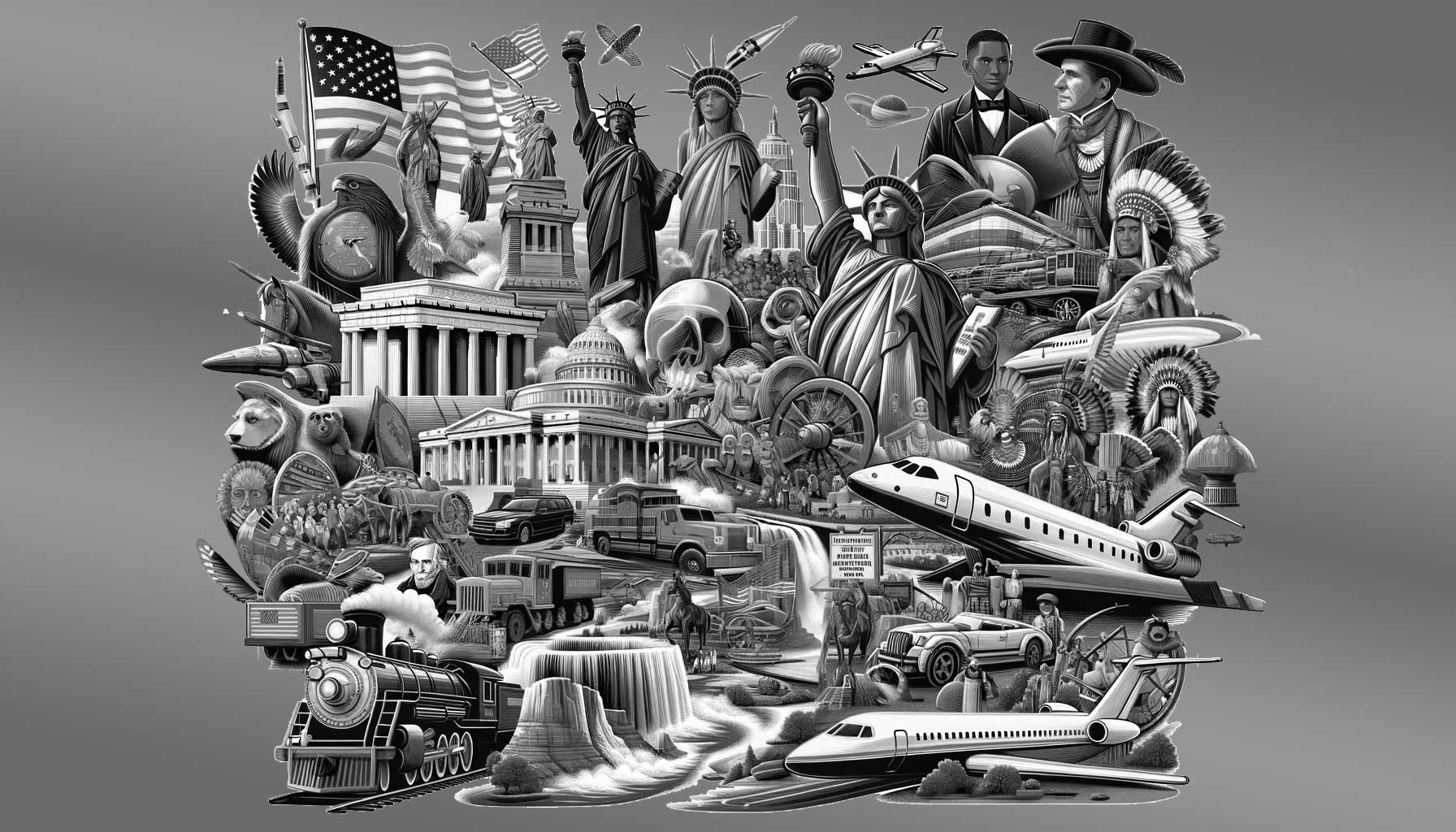
On May 25, 1925, a significant event took place in Dayton, Tennessee that would forever be known as the Scopes Trial. John T. Scopes, a high school teacher, was indicted for teaching the controversial theory of evolution proposed by Charles Darwin. This trial not only captivated the nation but also sparked intense debates on religion, science, and the role of education in society.
The Scopes Trial, also referred to as the “Monkey Trial,” was a legal battle between two contrasting ideologies. On one side stood the traditionalist beliefs of fundamentalist Christians who staunchly adhered to the biblical account of creation. On the other side were the proponents of scientific progress and the teachings of evolution, which challenged the literal interpretation of the Bible.
The trial was a result of a state law passed in Tennessee known as the Butler Act, which prohibited the teaching of any theory that denied the biblical account of human creation. It was in this charged atmosphere that John T. Scopes, a young and popular science teacher, found himself as the center of attention.
The trial gained national prominence with the involvement of two charismatic lawyers, Clarence Darrow and William Jennings Bryan, both widely respected in their respective fields. Darrow, a renowned defense attorney, was known for his progressive views and staunch support of scientific inquiry. Bryan, a former Secretary of State and a prominent figure in the Democratic party, was an outspoken critic of Darwin’s theory and staunch defender of religious beliefs.
The trial became a spectacle, drawing media attention from across the country. It was one of the first trials to be broadcast on the radio, allowing people from all corners of America to tune in and follow the arguments presented by both sides. The courtroom was packed with reporters, spectators, and even circus performers dressed as monkeys, highlighting the circus-like atmosphere surrounding the trial.
The prosecution, led by Bryan, aimed to prove that Scopes had indeed violated the Butler Act by teaching evolution in the classroom. The defense, represented by Darrow, sought to challenge the constitutionality of the law itself, arguing that it violated the principles of free speech and academic freedom.
The trial unfolded with intense cross-examinations, packed courtrooms, and heated exchanges between the lawyers. Darrow called upon a group of renowned scientists to testify on the validity and importance of the theory of evolution. Bryan, on the other hand, mainly relied on biblical arguments to support his case.
In the end, Scopes was found guilty and fined $100, but the trial had a profound impact on American society. The Scopes Trial highlighted the tension between religion and science, and the ongoing struggle between tradition and progress. It ignited a national conversation about the role of education in shaping the minds of future generations and the constant battle for intellectual freedom.
Despite the guilty verdict, the Scopes Trial marked a turning point in the public’s perception of the theory of evolution. It became evident that the acceptance of scientific progress and religious beliefs could coexist in a society that valued individual freedoms and intellectual curiosity.
The legacy of the Scopes Trial continues to resonate in contemporary discussions on education, religion, and the separation of church and state. The trial serves as a reminder of the ongoing debates surrounding the curriculum taught in schools and the importance of critical thinking and scientific inquiry in shaping the minds of future generations.
As we reflect upon the Scopes Trial, it is essential to recognize the progress made since 1925, while also acknowledging the ongoing challenges in reconciling different belief systems in our education system. The trial serves as a reminder that the pursuit of knowledge and understanding requires a delicate balance between the principles of religious freedom and scientific inquiry, ensuring that future generations are equipped with the tools to navigate an ever-changing world.
We strive for accuracy. If you see something that doesn't look right, click here to contact us!
 Contact Us
Sponsored Content
John Copson becomes America’s…
On May 25, 1721,…
Nuclear testing: At the…
On May 25, 1953,…
Scopes Trial – John…
On 5/25/1925, John T.…
