
Flashback to April 22
American History
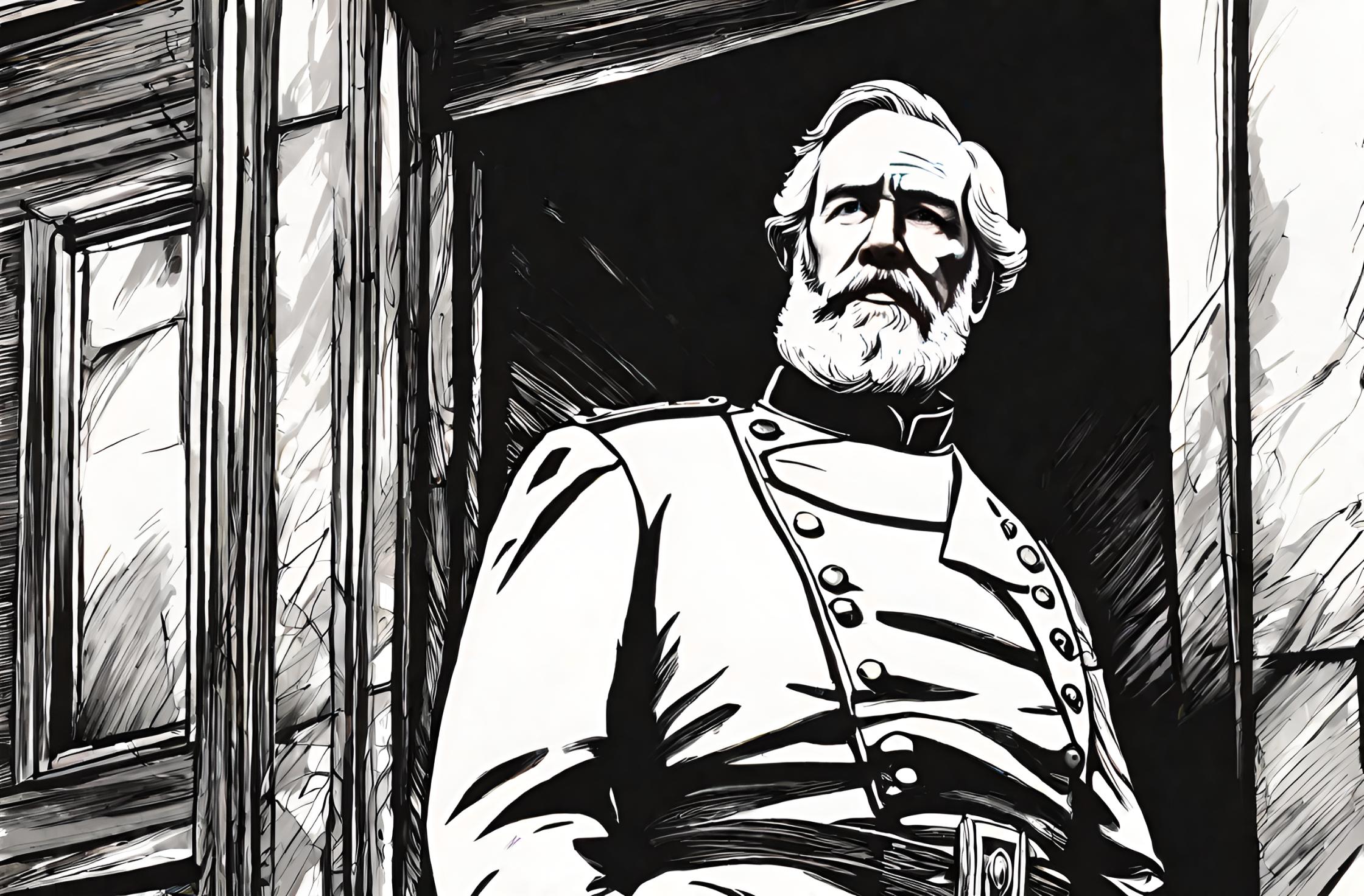
On April 22, 1861, a significant event took place in American history. Robert E. Lee was named the commander of Virginia Confederate forces during the Civil War. This appointment had a profound impact on the trajectory of the war and the Confederate cause. In this article, we will delve into the details of this pivotal event and explore its historical significance.
Robert E. Lee was a renowned military officer with an impressive background. Born in Virginia in 1807, Lee graduated from the United States Military Academy at West Point in 1829. Over the years, he gained experience and recognition for his skills on the battlefield, particularly during the Mexican-American War. Lee’s talent and leadership abilities were widely acknowledged, earning him respect among his peers.
With the outbreak of the Civil War in 1861, Lee faced a crucial decision. As a native Virginian, he had to choose between remaining loyal to the Union or siding with his home state, which had recently seceded and joined the Confederacy. Despite his personal reservations about slavery and secession, Lee ultimately decided to fight for the Confederacy out of a sense of loyalty to Virginia.
Lee’s appointment as commander of Virginia Confederate forces came at a critical moment. The Confederacy was in need of a capable leader who could rally troops and strategize effectively. Lee’s military expertise made him the obvious choice for this position, and he quickly assumed command.
Under Lee’s leadership, the Confederate forces in Virginia underwent a transformation. He implemented a series of tactical changes that aimed to improve the army’s efficiency and morale. Lee also emphasized the importance of discipline and training among his troops, instilling a sense of professionalism within the ranks.
One of Lee’s most significant contributions was his development of a unique military strategy. Recognizing the Confederacy’s disadvantage in terms of resources and manpower, Lee sought to outmaneuver the Union Army through bold and aggressive tactics. He aimed to win decisive victories that would demoralize the Union and potentially lead to a negotiated peace.
Lee’s strategy led to several notable triumphs on the battlefield. His tactical brilliance was evident in battles such as the Seven Days Battle, Second Bull Run, Fredericksburg, and Chancellorsville. These victories bolstered the Confederate cause and raised hopes of an eventual triumph.
Despite his successes, Lee’s tenure as commander of Virginia Confederate forces was not without challenges. The Union Army, led by General Ulysses S. Grant, gradually developed a more effective strategy to combat Lee’s tactics. The tide of the war began to turn against the Confederacy, and Lee found himself facing insurmountable odds.
The culmination of Lee’s command came in 1865, during the Battle of Appomattox Court House. Surrounded and outnumbered, Lee was forced to surrender his army to General Grant, effectively ending the Civil War. Lee’s decision to surrender demonstrated his commitment to avoiding further bloodshed and promoting national unity.
The appointment of Robert E. Lee as commander of Virginia Confederate forces on April 22, 1861, was a pivotal moment in the Civil War. His leadership, strategic thinking, and military prowess shaped the course of the conflict. Although the Confederacy did not achieve its ultimate goal of independence, Lee’s contributions are an integral part of American history.
the event of Robert E. Lee being named commander of Virginia Confederate forces on April 22, 1861, was a significant turning point in the Civil War. Lee’s leadership, tactical brilliance, and dedication to the Confederate cause had a profound impact on the outcome of the war. Despite the ultimate defeat of the Confederacy, Lee’s legacy as a military leader continues to be respected and studied to this day.
We strive for accuracy. If you see something that doesn't look right, click here to contact us!
 Contact Us
Sponsored Content
Robert E Lee named…
On April 22, 1861,…

Rear Admiral Joseph Taussig…
On April 22, 1940,…
US performs nuclear test…
On April 22, 1986,…
First slave revolt occurs…
On April 22, 1526,…
At high noon, thousands…
On April 22, 1889,…
Red Scare: Army-McCarthy Hearings…
The Army-McCarthy Hearings mark…
