
Flashback to September 23
American History
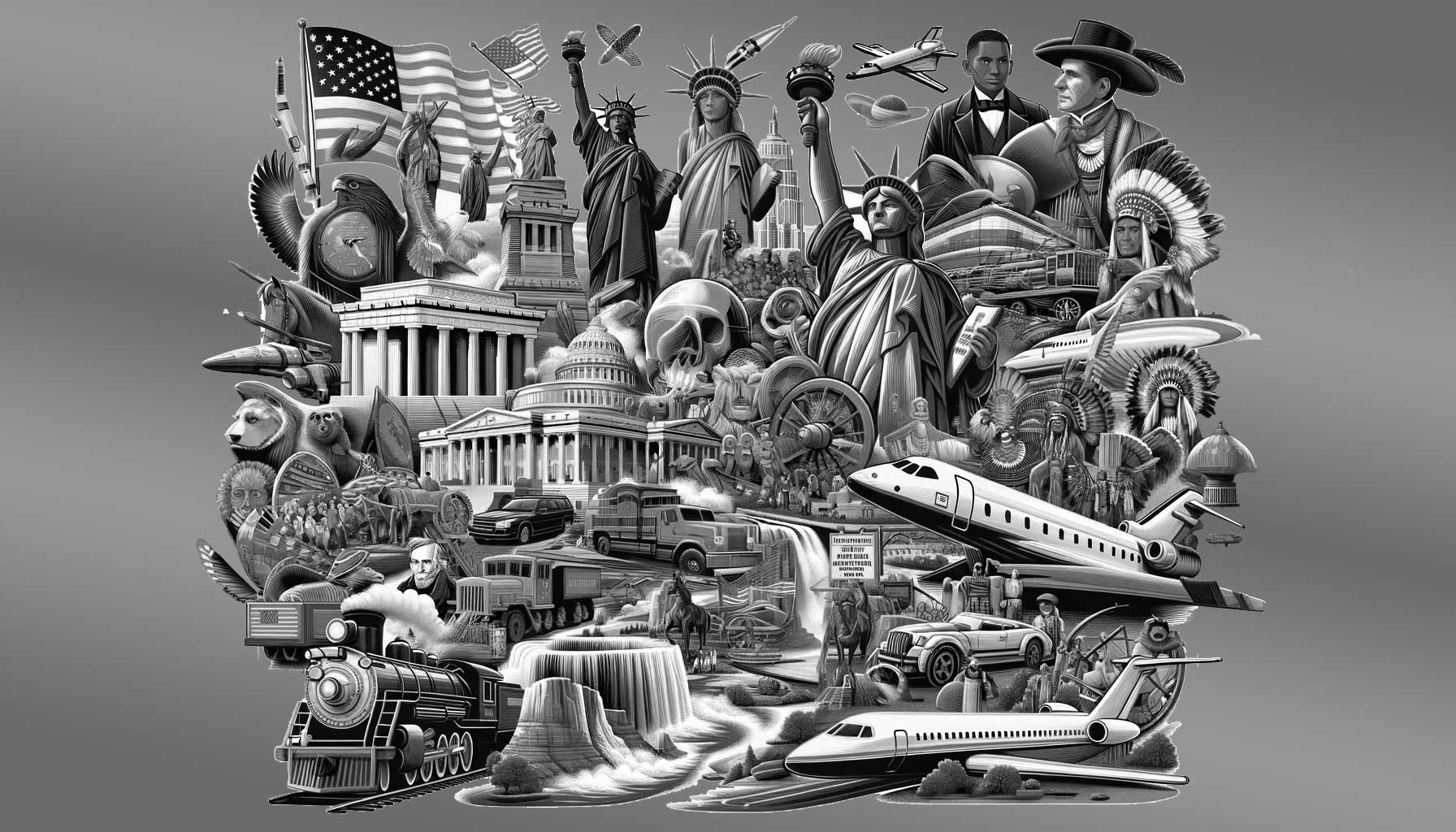
The Race Riot in Cambridge, Maryland, USA, which occurred on July 24, 1967, was a significant event in the history of civil rights movements in the United States. This incident shed light on the deep-rooted racial tensions and inequalities that prevailed in the country during that era. In this article, we will delve deeper into the causes and consequences of the race riot while exploring its historical significance.
The race riot in Cambridge was a culmination of years of racial discrimination and social injustice experienced by African Americans living in this small town on Maryland’s Eastern Shore. Like many other cities across the country at the time, Cambridge was marked by a stark racial divide, with African Americans facing systemic oppression and segregation.
The catalyst for the race riot was an ongoing civil rights campaign in Cambridge led by local African American organizations, such as the Cambridge Nonviolent Action Committee (CNAC) and the Student Nonviolent Coordinating Committee (SNCC). These groups were striving for equal rights, desegregation, and improved living conditions for the city’s African American population.
On the fateful day of July 24, 1967, tensions reached a boiling point when a group of African American demonstrators gathered in front of a white-owned establishment in downtown Cambridge. The protesters were met with hostility and violence from white citizens, some of whom were armed. Chaos ensued, resulting in destructive riots, arson, and looting throughout the city.
The immediate aftermath of the riot saw a wave of police intervention and mass arrests. The Maryland National Guard was called in to restore order and ensure the safety of the citizens. However, it is important to note that the underlying problems of racial inequality and discrimination persisted long after the riot ended.
The race riot in Cambridge garnered national attention and ignited public discourse about the urgent need for civil rights reform. It exposed the injustices faced by African Americans in cities across America and served as a catalyst for change. The incident prompted a renewed commitment to the civil rights movement and intensified the struggle for equality.
One of the significant outcomes of the race riot was the establishment of dialogue between local civil rights leaders and city officials. This communication led to negotiations and eventual agreements to desegregate public facilities, improve housing conditions, and create job opportunities for African Americans in Cambridge.
Additionally, the race riot in Cambridge served as an impetus for the passage of the Fair Housing Act of 1968, which aimed to combat discrimination in housing. The event also highlighted the need for legal protections against racial discrimination, leading to the implementation and strengthening of civil rights laws across the United States.
The significance of the race riot in Cambridge, Maryland, cannot be overstated. It stands as a powerful symbol of the ongoing struggle for racial equality throughout American history. The events of that day continue to resonate, serving as a reminder of the progress made in civil rights while highlighting the work that still needs to be done.
the race riot in Cambridge, Maryland, USA, on July 24, 1967, was a turning point in the fight for civil rights. It exposed the deep racial divisions and systemic injustices prevalent in America at the time. The incident sparked national attention, leading to legislative reforms and intensified efforts to address racial inequality. The race riot in Cambridge serves as a stark reminder of the importance of equality and justice for all.
We strive for accuracy. If you see something that doesn't look right, click here to contact us!
 Contact Us
Sponsored Content
Confederate siege of Chattanooga…
On September 23, 1863,…
American Revolution; British Major…
On September 23, 1780,…
Mount St. Helens in…
Experience the gripping resurgence…
Harvard College in Cambridge,…
Experience the rich history…
Herman Hollerith patents his…
Herman Hollerith revolutionized data…
Lincoln’s Emancipation is published…
Experience the historical day…
