
Flashback to September 22
American History
On October 23, 1861, a significant event rocked the nation during the emotionally charged times of the American Civil War. President Abraham Lincoln made the controversial decision to suspend the writ of habeas corpus in Washington, D.C., for all military-related cases. This move was a significant turning point in American history, setting a precedent that holds relevance even in our country today.
The writ of habeas corpus has a long-standing and integral role within the legal framework of the United States. Essentially, it is a proclamation that protects individuals from being held in custody without sufficient cause. This right to a fair trial has been central to American liberty for centuries, yet under compelling circumstances, a decision was made by Lincoln to suspend this very principle.
Why did President Lincoln suspend the writ of habeas corpus? An examination of the context surrounding this event helps us understand his reasoning better. The Civil War had begun earlier that year, with the Confederate forces intensifying their efforts. Lincoln saw the suspension of the writ as a necessary measure to deal with the looming threats posed by the separationist forces.
As the seat of the federal government, Washington, D.C., was in a precarious position at the time. Its proximity to Confederate forces instilled a sense of urgency and alarm, intensifying the overall tension and making the capital a unique case in itself. Fearing that enemies would exploit the rights offered by the writ for their advantage, Lincoln made the courageous decision to suspend it for military-related cases. His objective was to maintain the Union and its integrity at any cost.
The President’s decision saw strong reactions from both opponents and supporters. On the one side, people argued that the suspension was a blatant disregard for the Constitution’s freedoms, while on the other hand, many saw it as a much-needed tool for preserving the Union’s stability in times of war. The debate over the correctness of Lincoln’s decision continues to this day, making the event a significant point of discussion in American history.
We strive for accuracy. If you see something that doesn't look right, click here to contact us!
 Contact Us
Sponsored Content
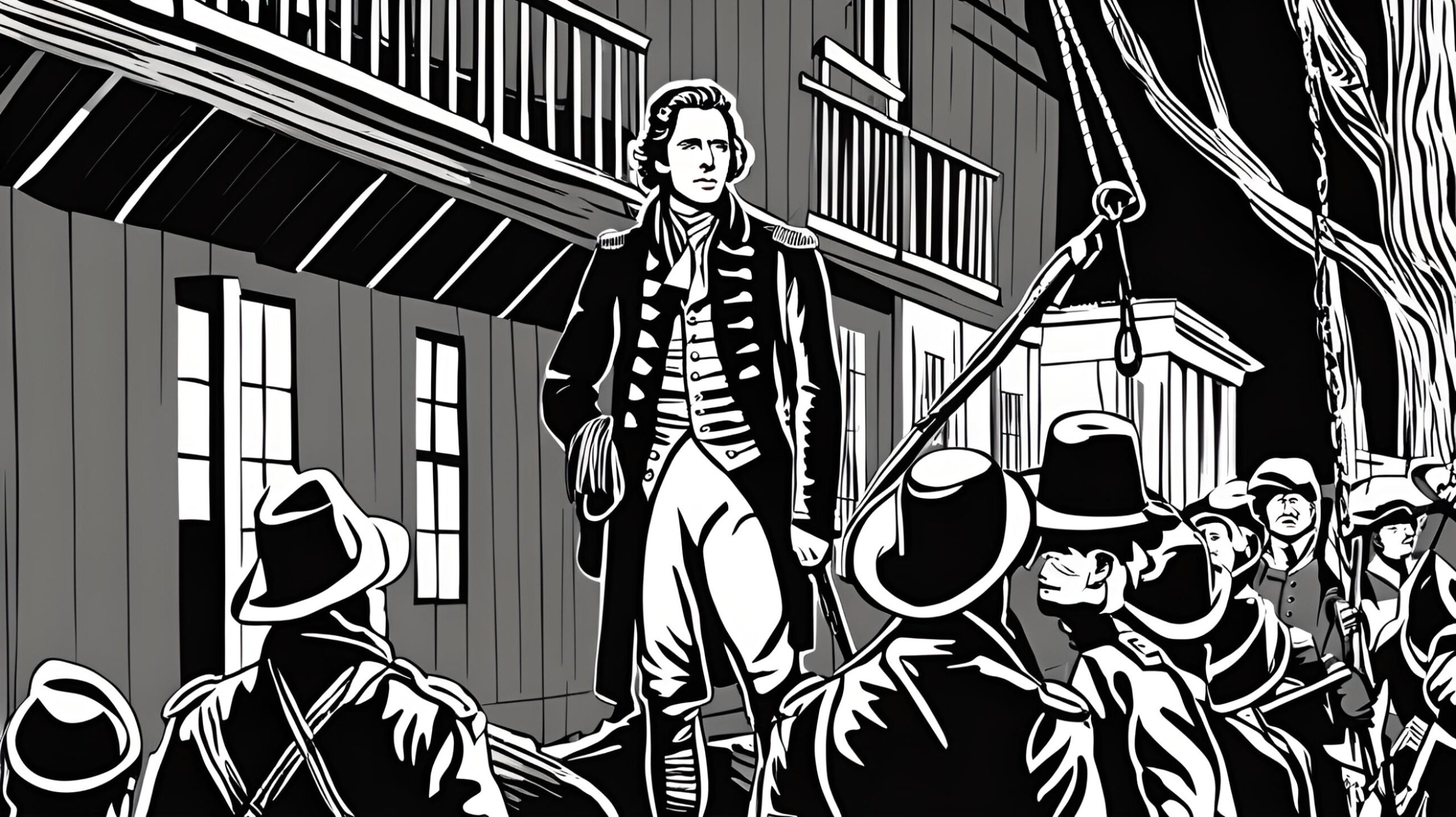
Nathan Hale is hanged…
"American Revolution Hero, Nathan…
NASA launches Galaxy-B.
On September 22, 1983,…
US President Abraham Lincoln…
On September 22, 1862,…
The first American-built automobile,…
"Experience the awe and…
Sara Jane Moore tries…
On September 22, 1975,…
