Flashback to November 23
World History
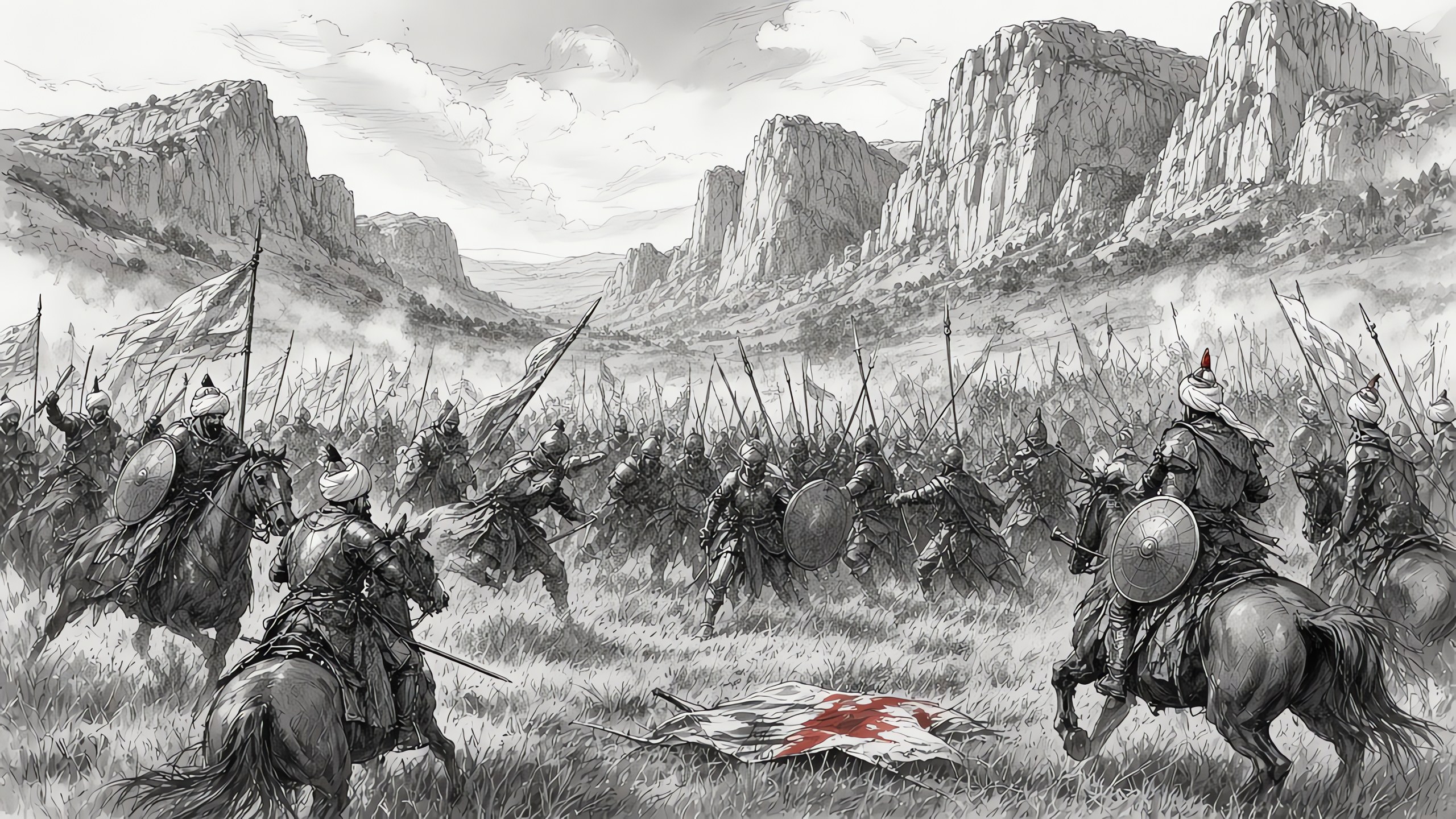
On September 9, 1493, an Ottoman army defeated the forces of the Croatian nobility on the Krbava Field, a plain in the Lika region of present-day Croatia. Thousands of Croatian soldiers and many nobles were killed, and the battle is remembered as one of the greatest disasters in Croatian history.
In the late fifteenth century the Ottoman Empire controlled Bosnia and launched frequent raids into the lands of the Kingdom of Croatia, then united with Hungary, as well as into the Austrian provinces further north. These raids brought looting, destruction, and the capture of many people, who were carried off as slaves.
In the summer of 1493, an Ottoman force led by Hadım Yakub Pasha, the governor of Bosnia, raided through Croatia into the Austrian lands of Carniola and Styria. As the Ottomans returned with their plunder, the Croatian ban, Emerik Derenčin, gathered an army of nobles and their troops to block their way.
According to historical accounts, some Croatian nobles, including Bernardin Frankopan, advised a cautious approach, attacking the enemy from ambush in the mountains. Derenčin instead chose to meet the Ottomans in open battle on the Krbava Field, near Udbina.
The Croatian army included heavily armored knights and foot soldiers, but the Ottomans were more experienced in this kind of warfare. Their cavalry attacked from several sides, and the Croatian forces were surrounded and broken. Derenčin was captured and later died in captivity. Many members of the leading noble families were killed, along with thousands of soldiers.
A priest named Martinac, writing in the Glagolitic script soon after the battle, recorded the event with grief. He wrote that the Turks had pressed hard upon the Croatian people, and his lament is one of the most famous early records of the disaster.
News of the defeat spread across Europe. Croatian nobles sent envoys and letters to the pope, to Venice, and to the German princes asking for help, describing their country as a shield protecting Christian Europe from the Ottomans. Little help arrived, and the Croatian lords were largely left to defend their frontier with their own resources.
The loss of so many leaders weakened Croatian resistance for years. Ottoman raids continued, and many people fled northward and westward. Over the following decades much of Croatia came under Ottoman control, and the kingdom was reduced to a small territory later described as the remnants of the remnants.
The Battle of Krbava Field became a symbol of national tragedy. It was followed by the Ottoman victory at Mohács in 1526, after which the Croatian nobles elected Ferdinand of Habsburg as their king in 1527. Today the battle is commemorated in Croatia, and a memorial church stands near Udbina.
We strive for accuracy. If you see something that doesn't look right, click here to contact us!
 Contact Us
Sponsored Content

European weather satellite Meteosat…
Launched from Cape Canaveral…

Andre Malraux, French novelist/art…
Renowned French novelist and…
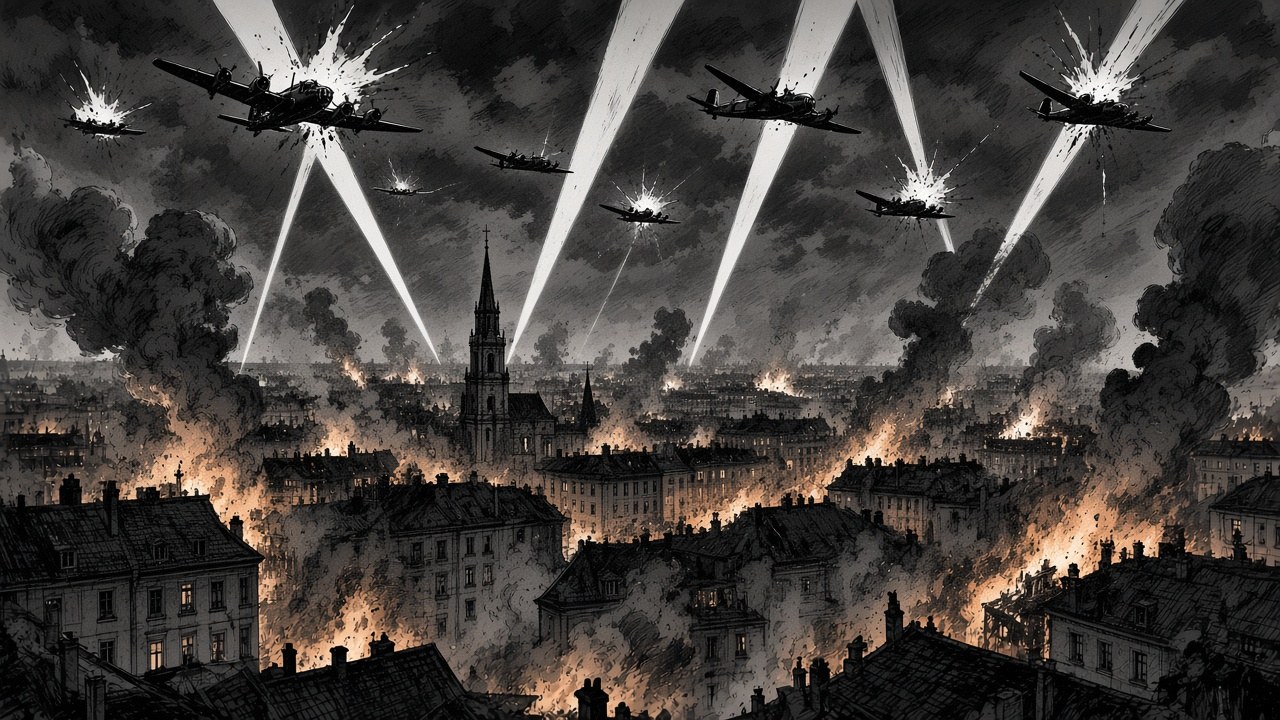
British bombers again attack…
On the evening of…
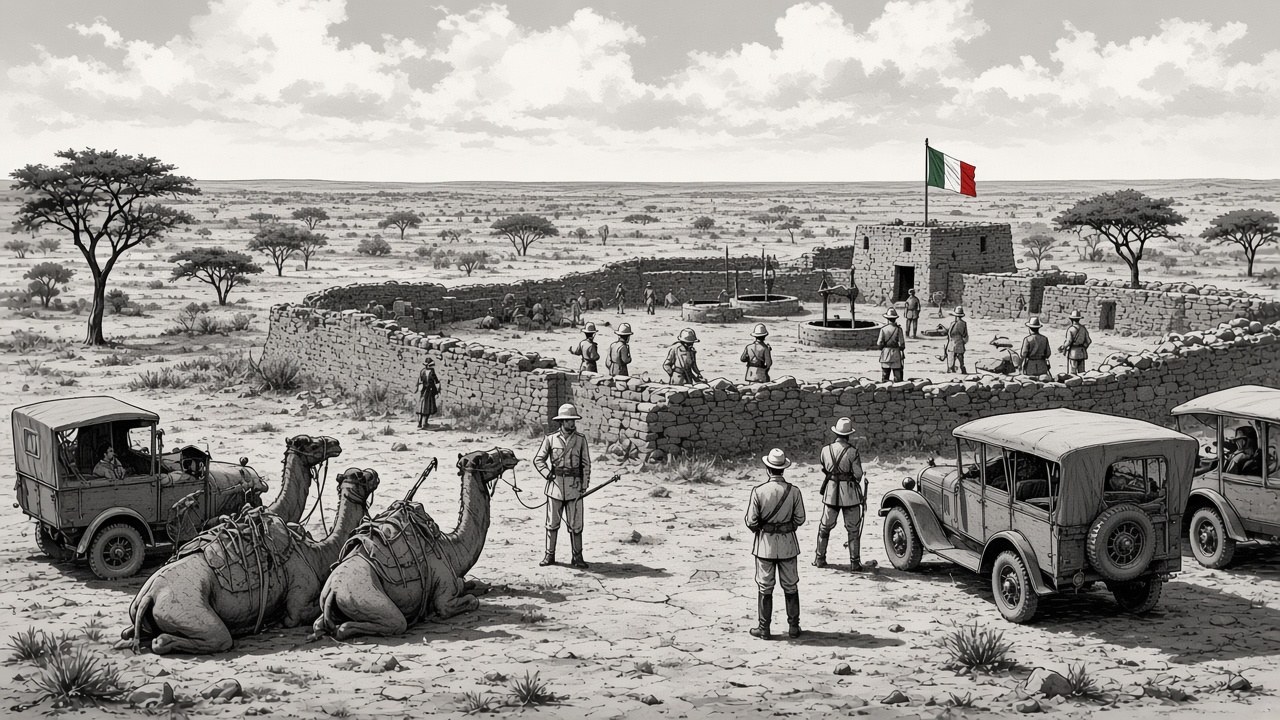
An Anglo-Ethiopian boundary commission…
On November 23, 1934,…
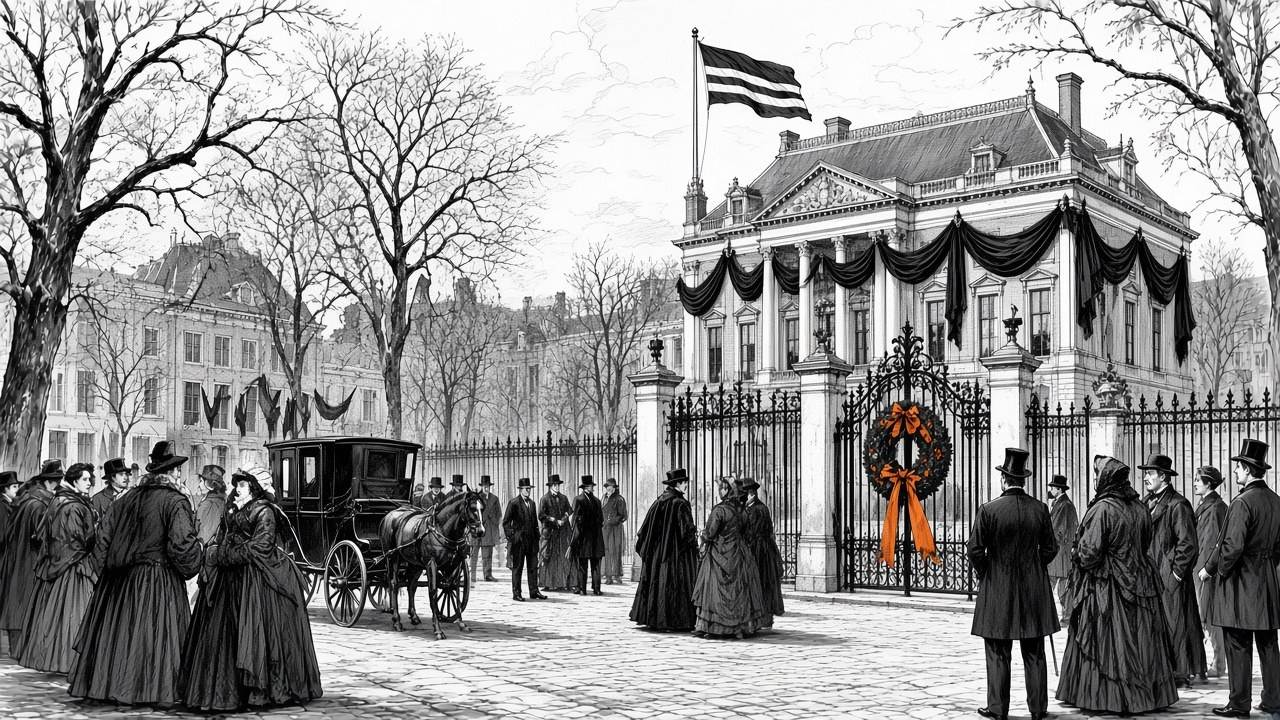
King William III of…
"King William III of…
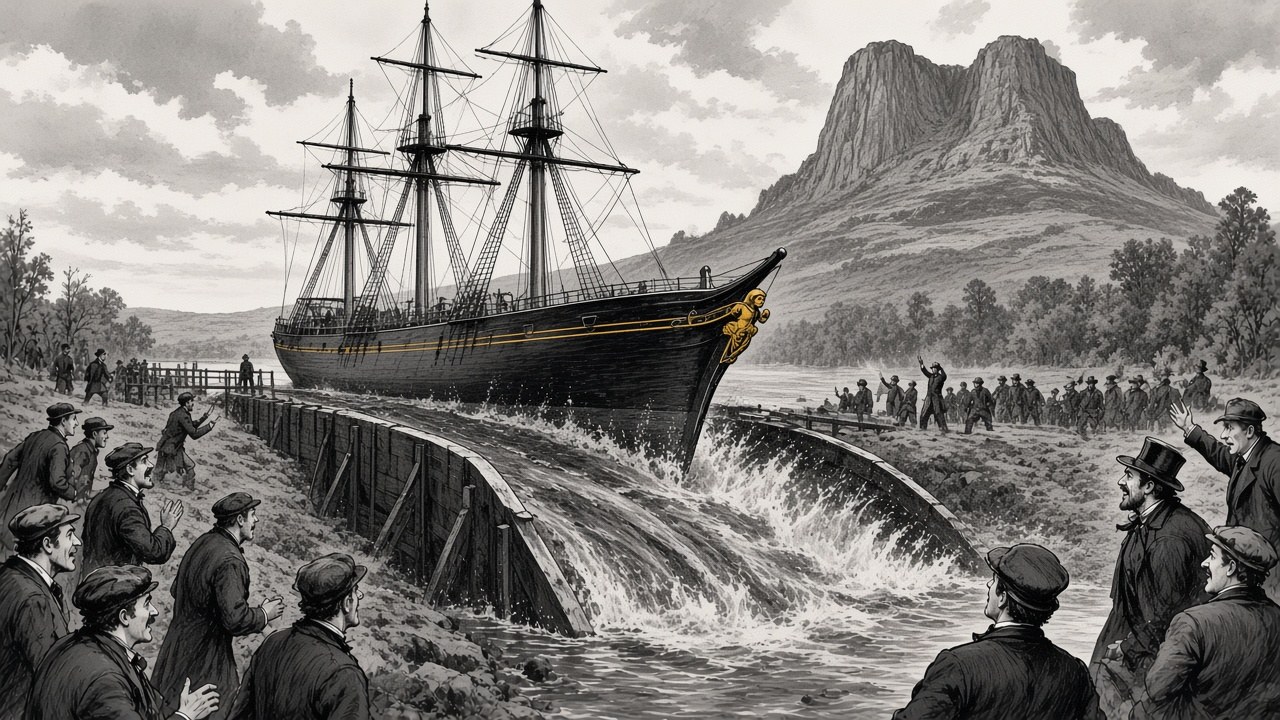
In Dumbarton, Scotland, the…
Experience a piece of…